
Victorian Christmas Traditions
Victorian Christmas Traditions
Imagine entering a home built in 1875, walking through a grand foyer with a sweeping staircase, passing through a ladies’ parlor, study and dining room, and up to family bedrooms—all decked in the festive spirit of a Victorian Christmas. In the 1870s through the 1890s, the holiday we know today began to take shape: decorated trees, gift‑giving, cards, rich food and warm family gatherings became widespread. These customs tell us about changing society, rising middle‑class homes, industrial era commerce, and the way people celebrated at home. At the Peel Museum, these rooms offer a unique lens into how a family living in 1875 might have celebrated the season.
A Victorian Christmas: National Traditions Take Root (1870s‑1890s)
By the 1870s and 1880s in America, Christmas was shifting from a modest, private religious observance to a broader, family‑centred holiday filled with new customs. One clear change: gift‑giving expanded and Christmas cards became popular.
Decorations became more elaborate: tinsel, glass ornaments, garlands and evergreens became part of the home.
The industrial revolution, improved printing and faster transportation all helped make decorations, cards and gifts more accessible.
In effect, the home built in 1875 would have been created just as many of these customs were becoming mainstream—making it a perfect setting to explore a late‑Victorian seasonal celebration.
Christmas Through the Rooms of the Peel Museum
In exploring each room of the historic home, let’s imagine how a Victorian family might have decorated or used them for the holiday.
Foyer & Staircase: The Grand Holiday Welcome
As guests entered the home, the foyer would set the festive tone.
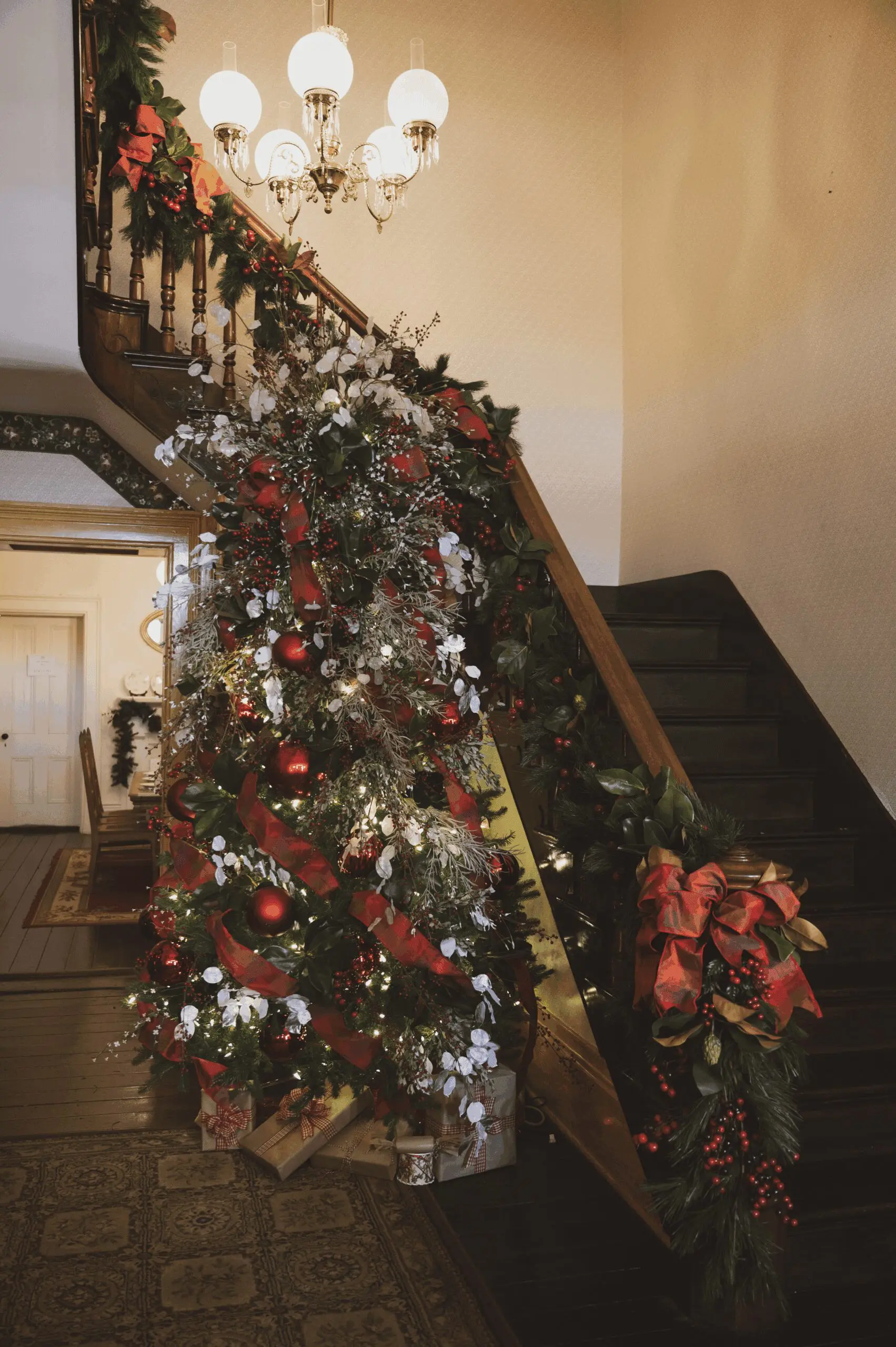
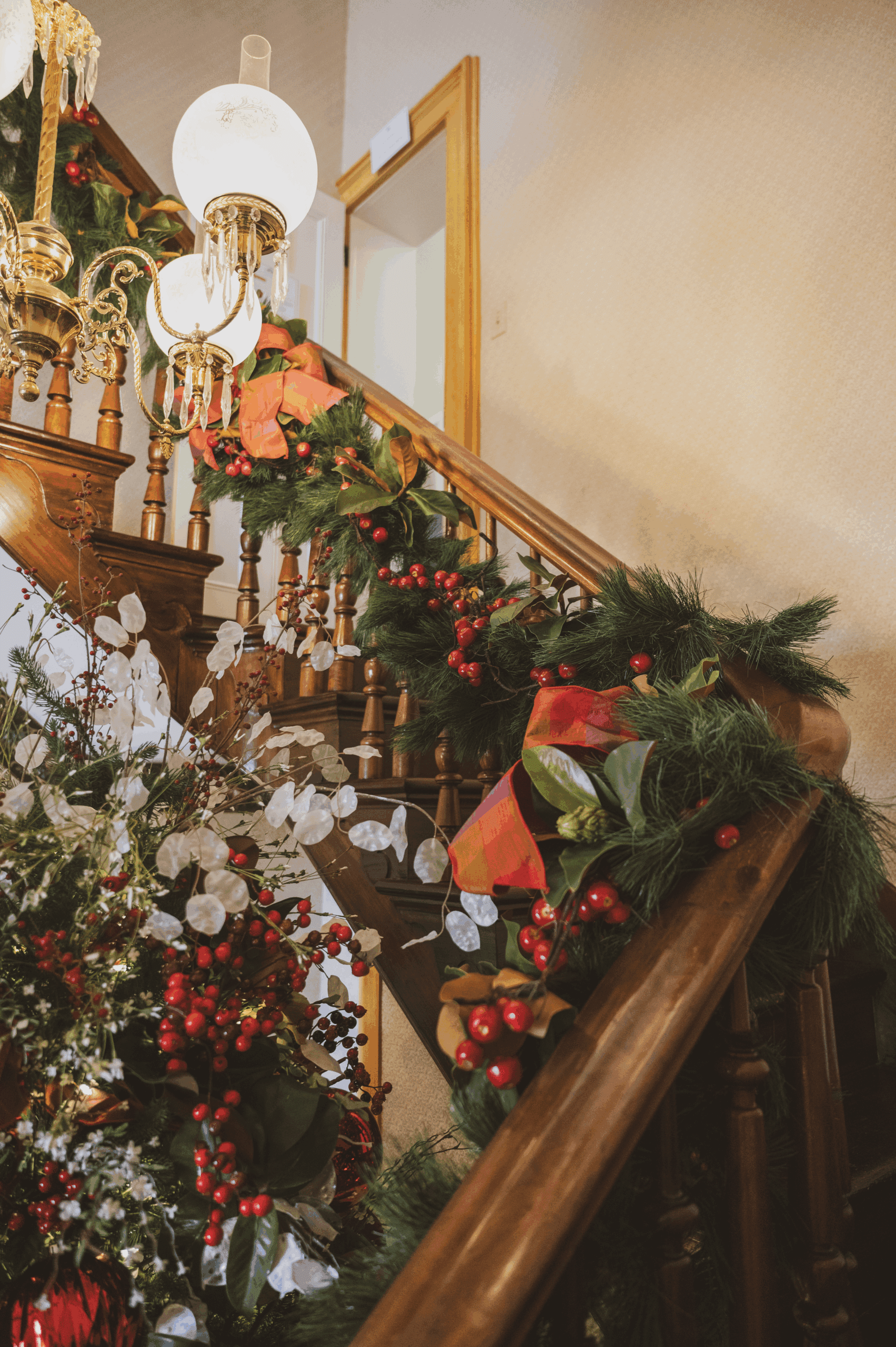
Evergreen garlands—pine, fir or spruce—would be draped along the banisters and around doorways. In the late Victorian era, mistletoe might have been placed in a prominent arch or sphere in the stairway landing, inviting social custom (a kiss under the mistletoe) and adding natural fragrance.
The staircase itself could have been decorated with ribbons, candles in sconces (or later gas/electric) and perhaps small ornaments tied to the new Victorian tree‑decorating trend. This grand entrance reinforced the idea of the home as a space of comfort, status and celebration in the 1870s‑90s.
Ladies’ Parlor: Cards, Carols & Conversation
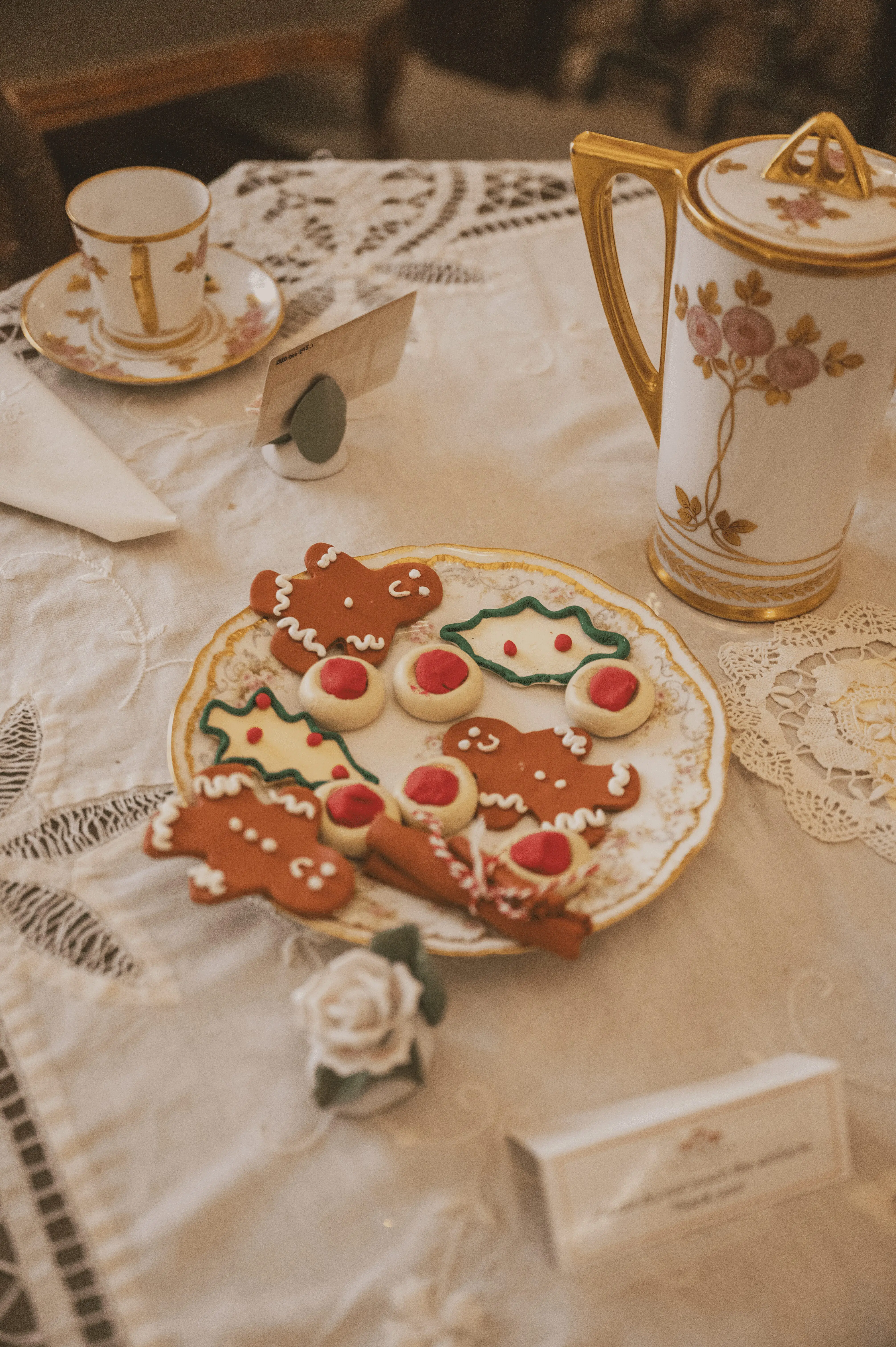
The parlor was the heart of social life—especially during the holidays—in the Victorian era. Here, the family might display their newly arrived Christmas cards on the mantel or side tables. The commercial Christmas card industry matured in the late Victorian era, making season’s greetings available to a wider public.
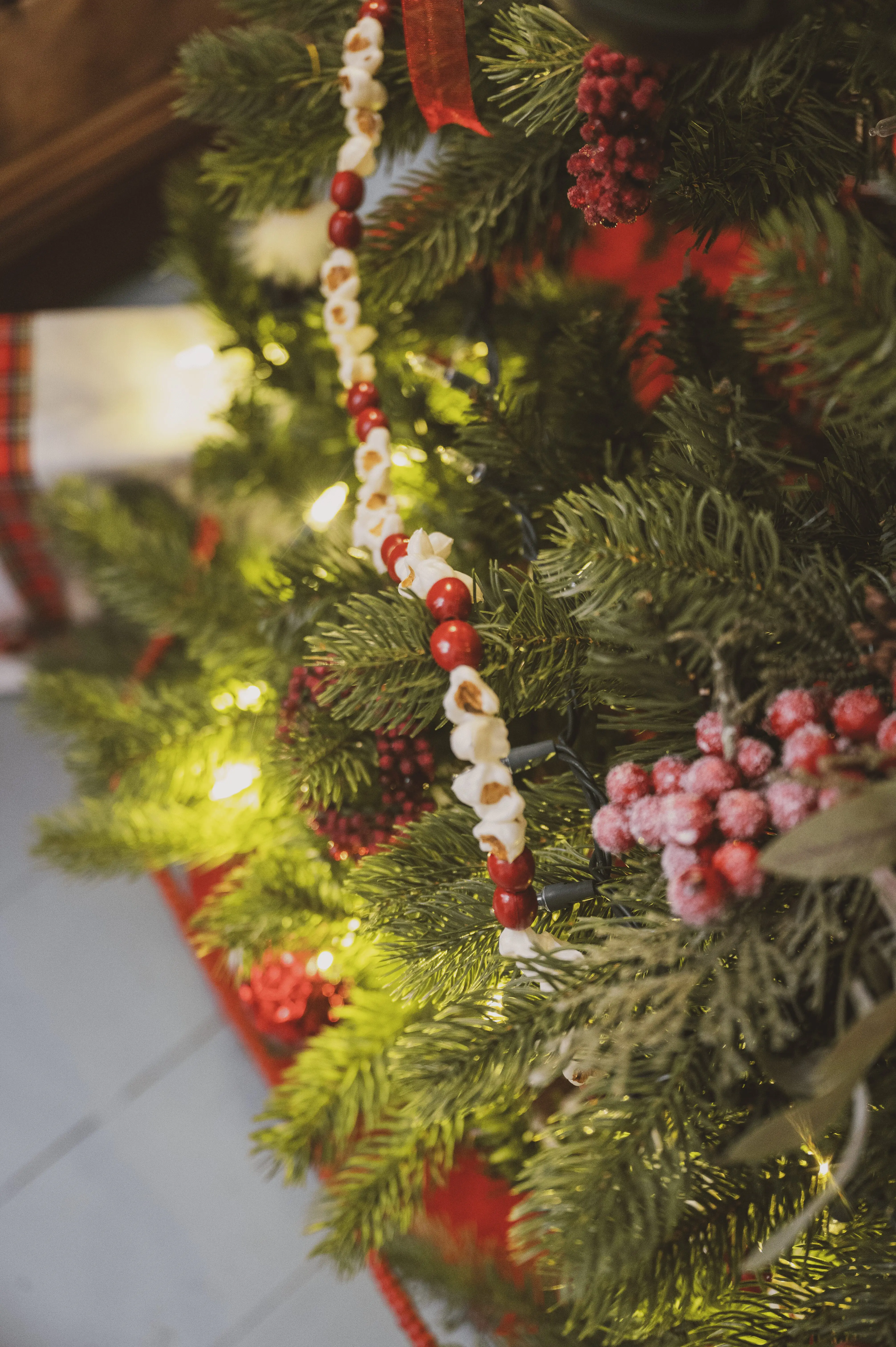
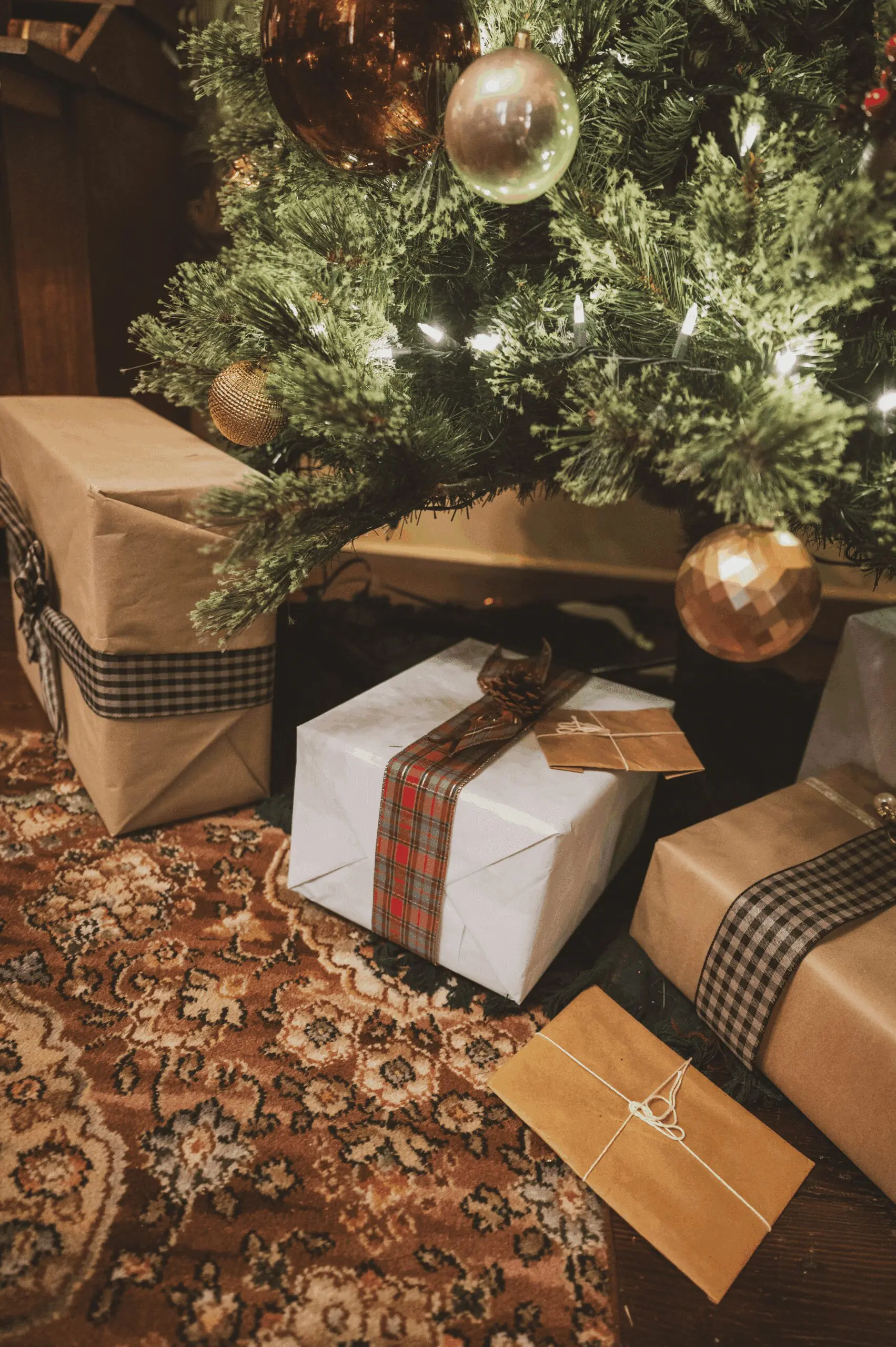
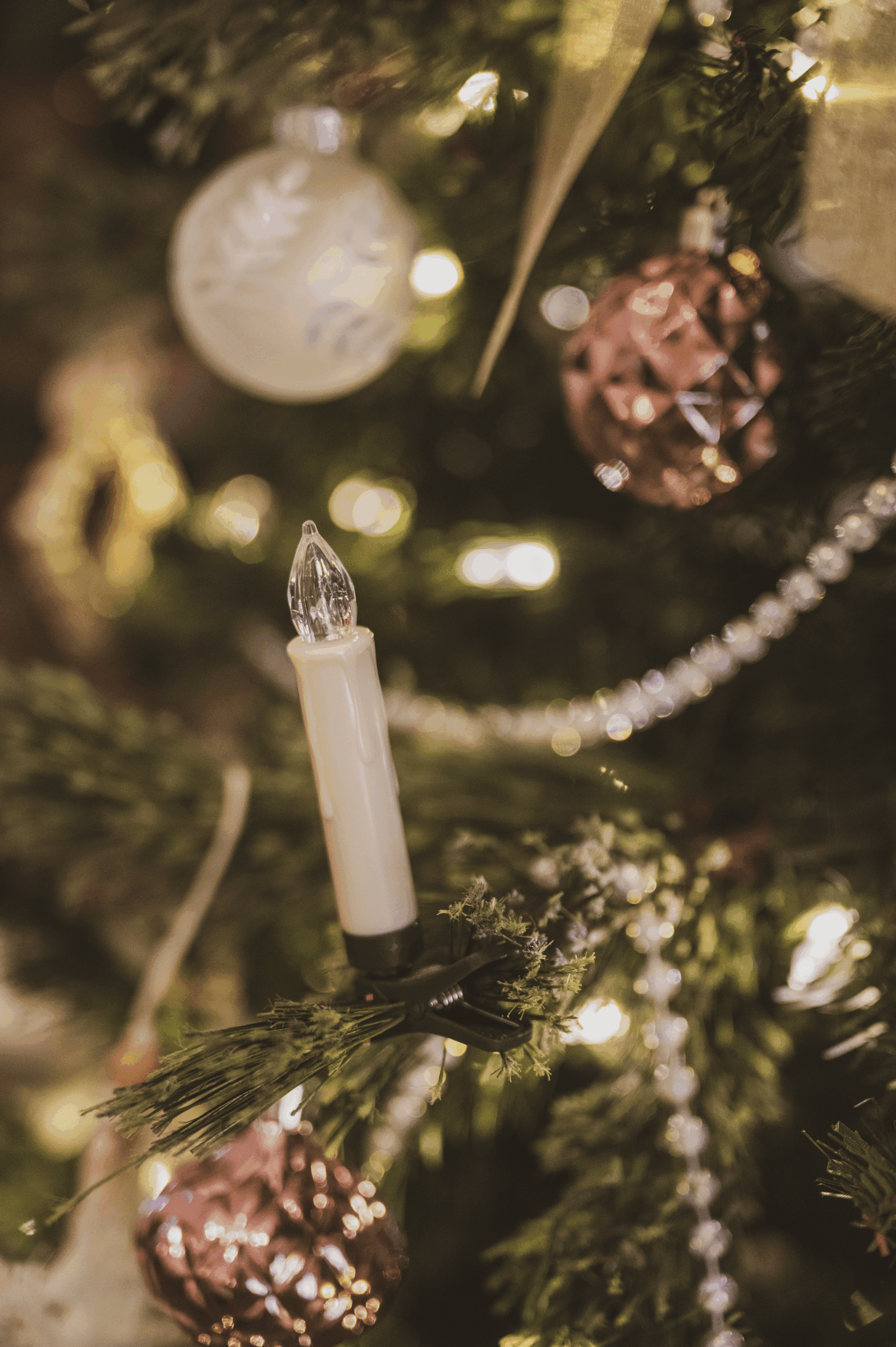
Decorations might include an evergreen tree in a corner (or companion room) decorated with tinsel, popcorn, cranberries, glass ornaments—by the 1880s these had become commercially produced.
Guests would gather here for tea, conversation, and carol singing. The parlor would reflect refinement, warmth and the Victorian ideal of “home” as a sanctuary. In the context of the Peel Museum, it’s an excellent place to highlight how women of the era used domestic space for both family and social ties.
The Study: A Gentleman’s Holiday Reflection
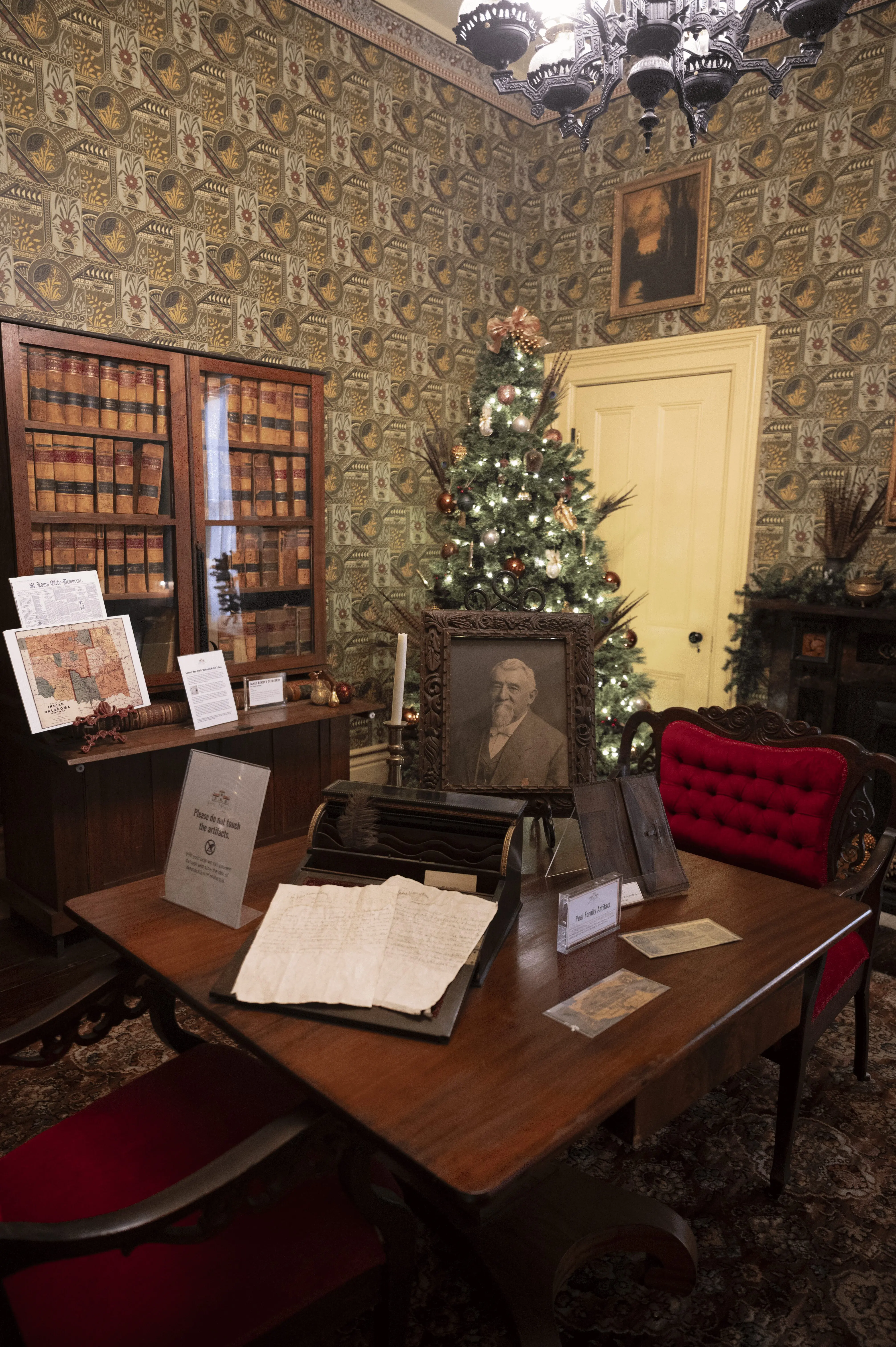
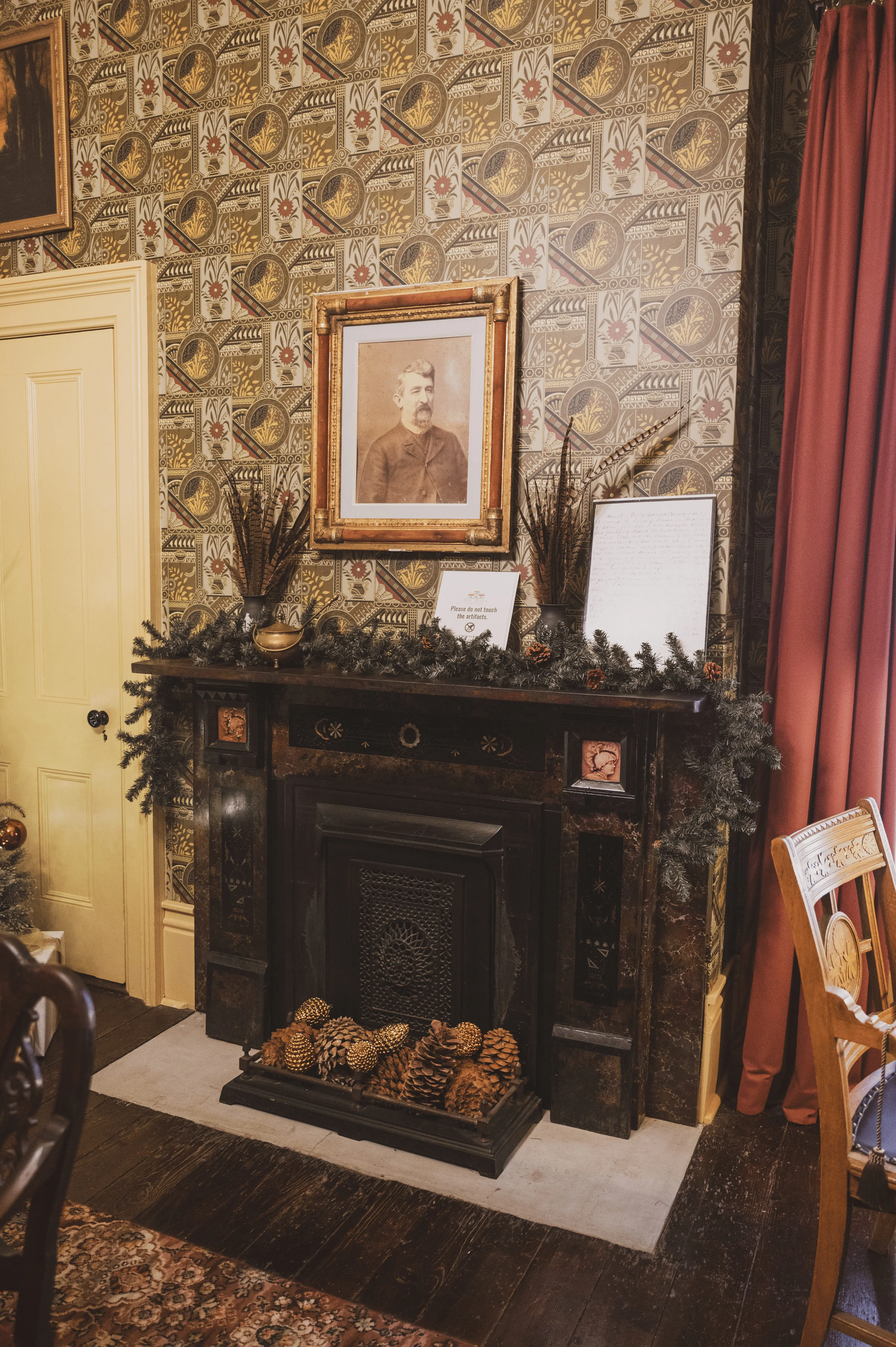
In the study—or a quietly furnished room used for reading, letter‑writing or reflection—a Victorian man or family might spend time during the holidays. Stockings might be hung near the fireplace for children (if the family allowed access) and small gifts or oranges placed therein.
Writing holiday letters or sending Christmas cards would likely be done here. The shift toward cards and commercial gift‑giving is part of the larger story of Victorian social change and homemaking. The study offers an interpretive opportunity at the museum: how did men’s spaces and the quieter side of holiday life look in 1875‑era homes?
Dining Room: The Heart of the Victorian Christmas Feast
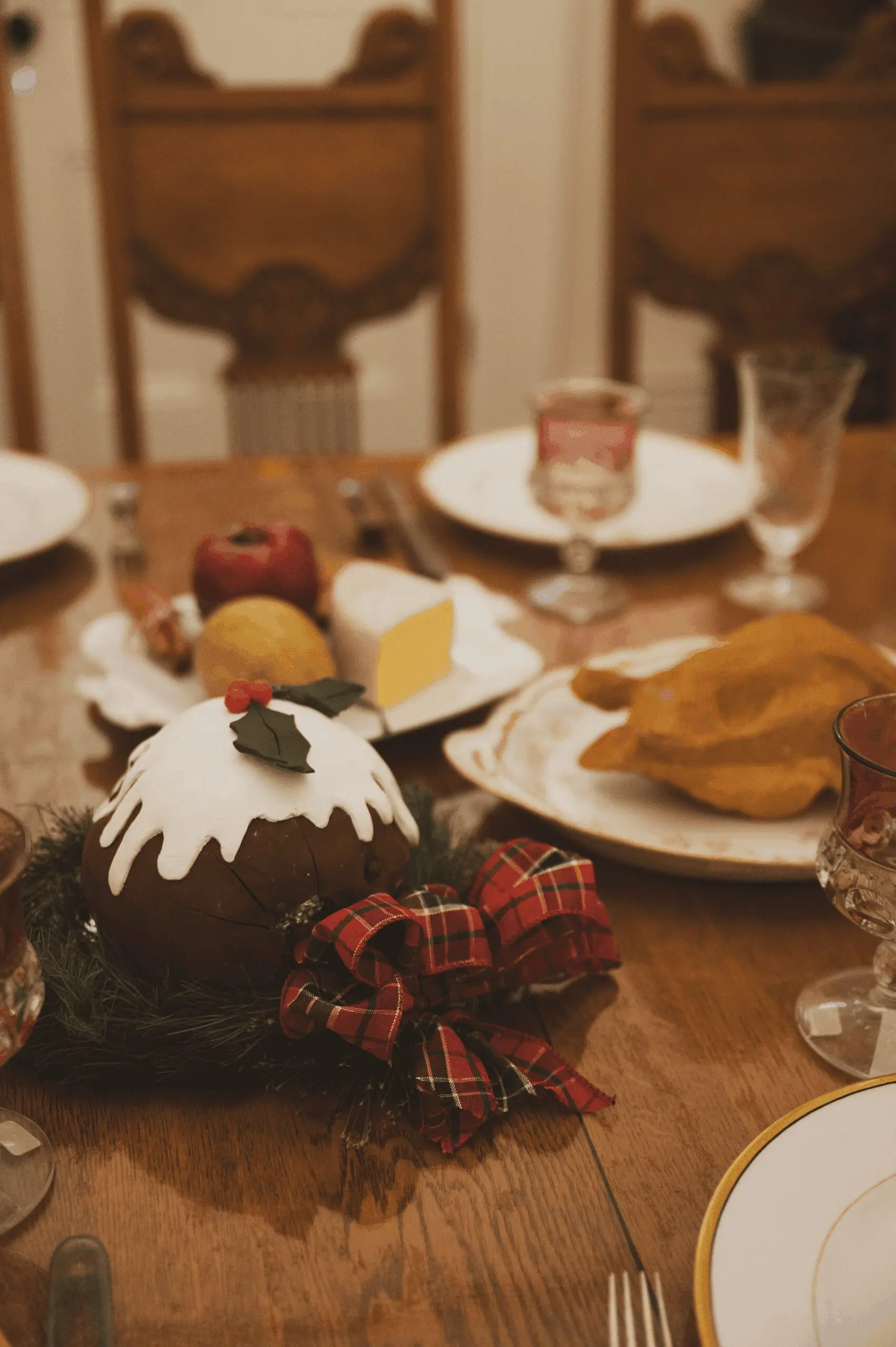
The dining room becomes center stage during the holiday period. By the 1870s‑1890s, a fuller feast was expected in middle‑class homes: roast turkey or goose, plum pudding, mince pies, and fragrant spices.
Decorations would include table linens, fine china and perhaps a citrus centerpiece—such as oranges studded with cloves which were popular.
The family and guests would gather here for the meal, sharing with extended kin, playing parlour games afterwards, and celebrating warmth and abundance. At the Peel Museum, this room can illustrate how holiday meals in the 1870s‑90s served both ritual and social status.
Bedrooms: Christmas Morning Magic
While the focus in historical narratives often goes to the public areas of the home, the private spaces were also part of holiday ritual. Victorian children sometimes hung stockings at the foot of their beds or near the fireplace and found small gifts—candies, oranges, nuts, handmade toys—on Christmas morning.
The bedrooms might also have holiday touches: sprigs of holly or mistletoe, simple decorations, and a sense of the season’s transition from evening visitors to morning family time. For museum visitors, highlighting the bedrooms offers a more intimate window into how Victorian family life looked during the holidays.
Traditions That Shaped Our Modern Holiday
Many of the traditions we take for granted today trace back to the late Victorian era:
-
The widespread adoption of the Christmas tree and commercial ornamentation.
-
The rise of greeting cards and gift‑giving for a broader public.
-
Decorations using evergreen, holly, mistletoe, and other botanical elements inside the home.
-
A more defined holiday season with family gatherings, leisure time and home‑centred celebration rather than only religious observance.
By exploring the home built in 1875 and its rooms, visitors at the Peel Museum can also reflect on how their own modern holiday practices echo these 19th‑century origins.
Victorian Christmas at the Peel Museum: Why It Still Matters
Visiting the Peel Museum offers more than a static display—it gives a real‑life context for how families in the 1870s‑1890s lived, worked and celebrated. Though the museum may not run a full Victorian Christmas event every year, the home itself invites imagination: looking at the staircase adorned with greenery, tracing the path from foyer to parlor, studying the dining table’s layout, and climbing to the bedrooms where children once awoke to Christmas morning delight.
This context matters because Christmas isn’t just about the present—it’s about tradition, social change, domestic life and how people of the past cared for comfort, beauty, ritual and togetherness. By exploring the Victorian era in this way, museum visitors gain a deeper appreciation for both the historical home and their own holiday customs.
FAQs
Q 1: What would a Victorian Christmas look like in an 1875 house?
A Victorian Christmas in a home built in 1875 would feature evergreen garlands and mistletoe in the foyer, a decorated tree in the parlor, fine holiday table settings in the dining room, stockings in the bedrooms and family gathered for meals, carols and gift‑giving.
Q 2: What did families in the 1880s do during Christmas?
By the 1880s, families participated in gift‑giving (including store‑bought gifts), exchanged holiday cards, decorated with tinsel and glass ornaments, and enjoyed richer feasts—a direct result of industrialisation making these items more available.
Q 3: How were parlors and dining rooms decorated in the Victorian era?
Parlors often displayed Christmas cards, had decorated trees with ornaments and edible treats hung from branches. Dining rooms were set with special linens, china, often a citrus or spiced centerpiece, and strong botanical decorations like holly and evergreen boughs.
Q 4: What types of food were served at a Victorian Christmas dinner?
Typical fare included roast turkey or goose, plum pudding, mince pies, sauces, spiced fruits, and seasonal foods like oranges or nuts—reflecting both abundance and seasonal availability.
Q 5: What did children receive for Christmas in the 19th century?
Children in the Victorian era might have found small handmade toys, candy, fruit or nuts in stockings, and later, store‑purchased toys under the tree. The shift toward more commercial gifting becomes evident in the 1870s‑1890s.
Conclusion
The holiday season in the Victorian era was a time of transformation: homes built in 1875 found themselves at the cusp of a new style of Christmas—brighter, more decorative, more family‑centred and also more commercial. Walking through the rooms of the Peel Museum, from the foyer with its staircase to the intimate bedrooms, invites us to step into that transformation. It reminds us that the ornaments, cards, gift‑giving and feasting we enjoy now have deep roots in the late 19th century.
We invite you to visit the Peel Museum and imagine how a family in 1875 might have celebrated Christmas. Reflect on your own holiday traditions and perhaps see them in a new light—how they echo the past, how they connect to time‑honoured customs, and how our homes remain the heart of seasonal celebration.