

Step Back in Time: Recreate the Victorian Christmas Cone Tradition at Home
Step Back in Time: Recreate the Victorian Christmas Cone Tradition at Home
Introduction
Long before modern ornaments, lights, and tinsel, Victorian households found charm and warmth in simple, handmade holiday decorations. Among their favorite festive crafts was the Christmas cone: a paper or fabric cone filled with treats or hung on the tree as decoration. These humble cones captured the spirit of resourcefulness, festivity, and homemade charm.
A Bit of History: Where Christmas Cones Come From
-
The familiar modern Christmas — tree, cards, decorations, gift-giving — owes much to the Victorian era (mid‑ to late‑1800s). Many of our holiday customs trace their roots to that time.
-
As holiday decorating grew more popular among middle–class homes, people often made their own decorations — ornaments, paper chains, garlands, and cones — because mass‑produced decorations were expensive or hard to come by.
-
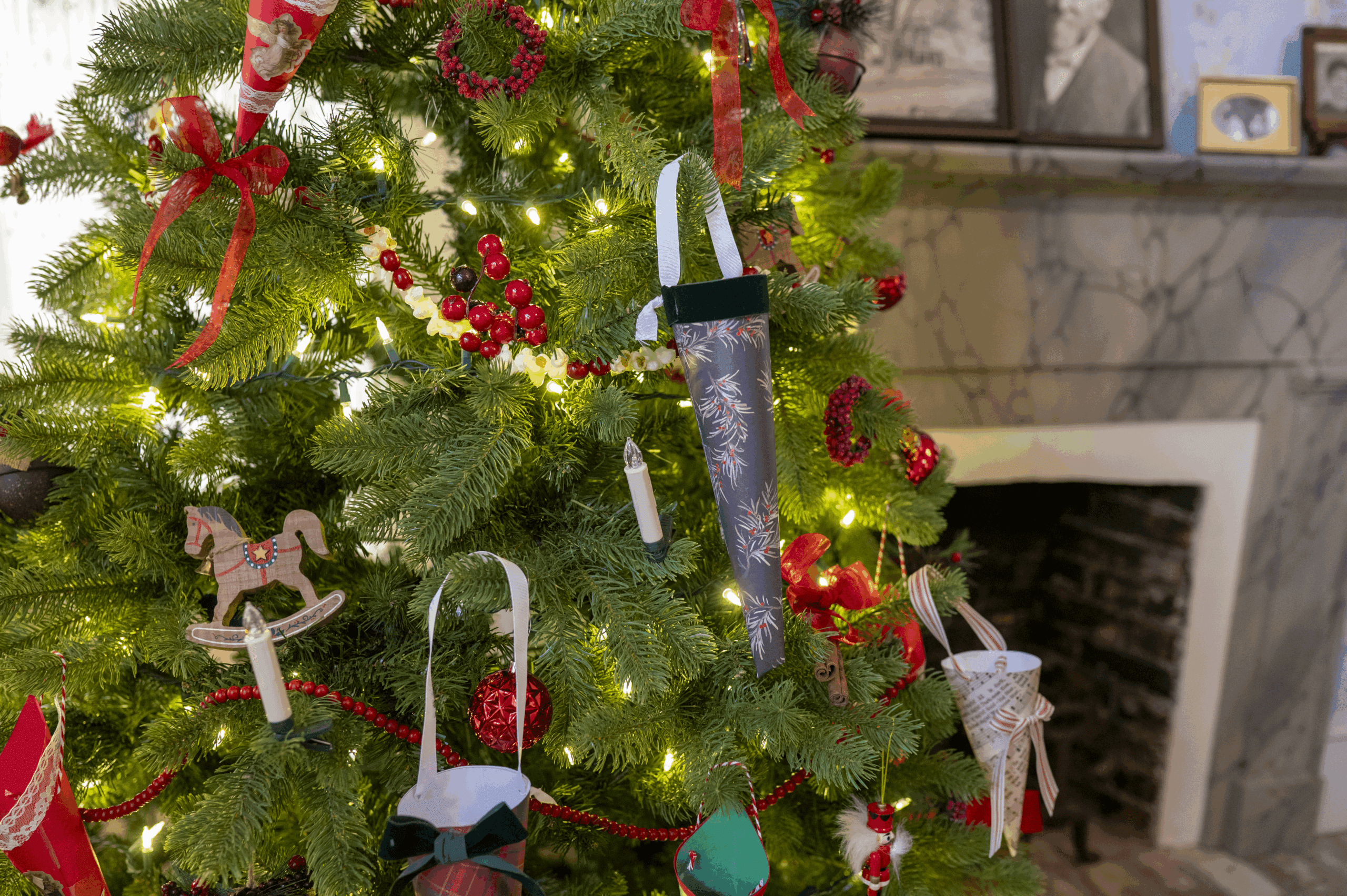
The “Christmas cone” — sometimes also called a “gift cone” or “ornament cone” — hails from this DIY tradition. Made from simple paper (gift wrap, scrapbook paper, cardstock, or even repurposed scraps), these cones could be hung on the tree, from doorknobs, fireplaces, or stair banisters. When filled with treats, nuts, candies, or small trinkets, they doubled as early stocking‑stuffers long before commercial gift packaging existed.
-
As ornament markets expanded and glass baubles, printed cards, crackers, and other novelties became more affordable and widely produced, handmade cones gradually receded into nostalgia.
Though no longer common, the Victorian Christmas cone remains a charming symbol of a time when holiday magic was handmade and homes were the heart of celebration.
How to Make Your Own Victorian Christmas Cone — A DIY Guide
Making your own Christmas cone is simple, budget‑friendly, and fun — whether you’re crafting solo or with family. Here’s a step‑by‑step guide inspired by Victorian methods and modern DIY adaptations:
What You’ll Need
-
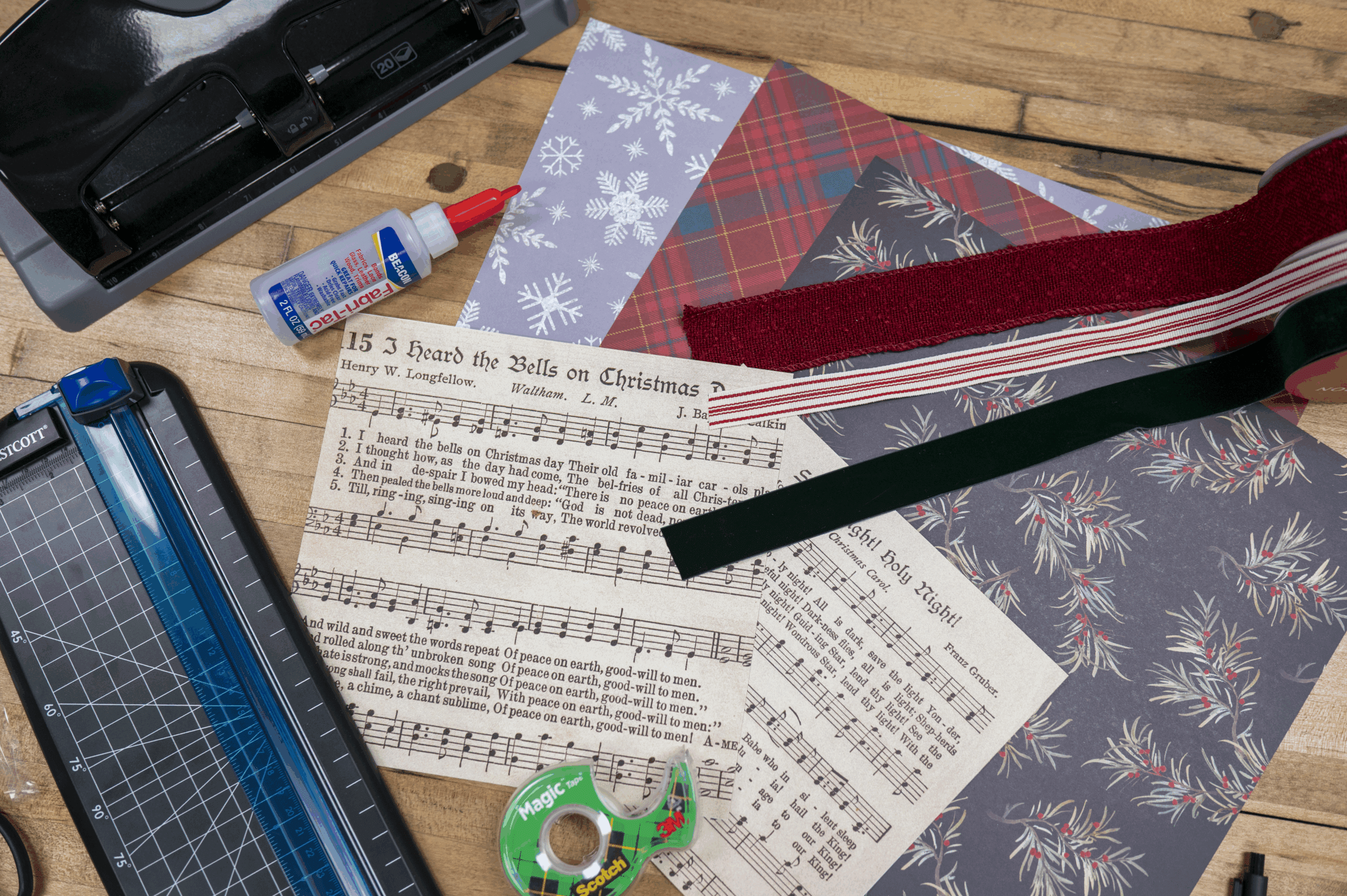
A square piece of paper (pattern paper, gift wrap, scrapbook paper, or medium‑weight paper) — for a sturdy cone, avoid very heavy cardboard.
-
Scissors
-
Glue (craft glue works well) or tape
-
Ribbon, lace, yarn, beads, or other trim for decoration (optional)
-
Items to fill the cone, if you like — small candy, nuts, dried fruit, small trinkets, sprigs of evergreen, etc. (Victorians often filled cones or hung simple decoration cones on their trees.)
Steps to Craft the Cone
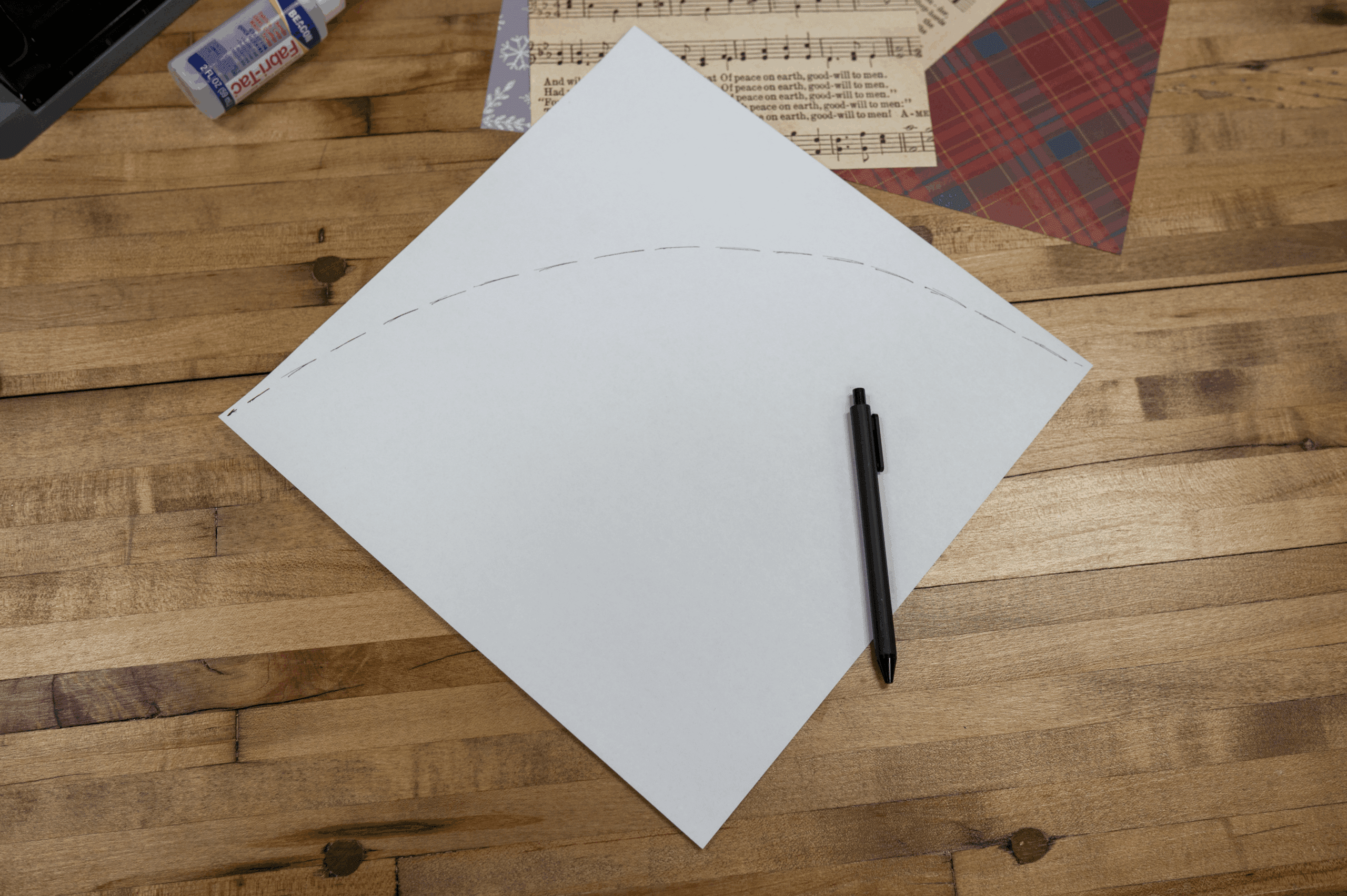
- Cut your paper — take a square sheet (e.g., 8″×8″ or 12″×12″) and mark an arc from left‑edge to right‑edge, then cut along that arc so you end up with a sector roughly like a quarter-circle (or a segment). This shape will roll neatly into a cone.
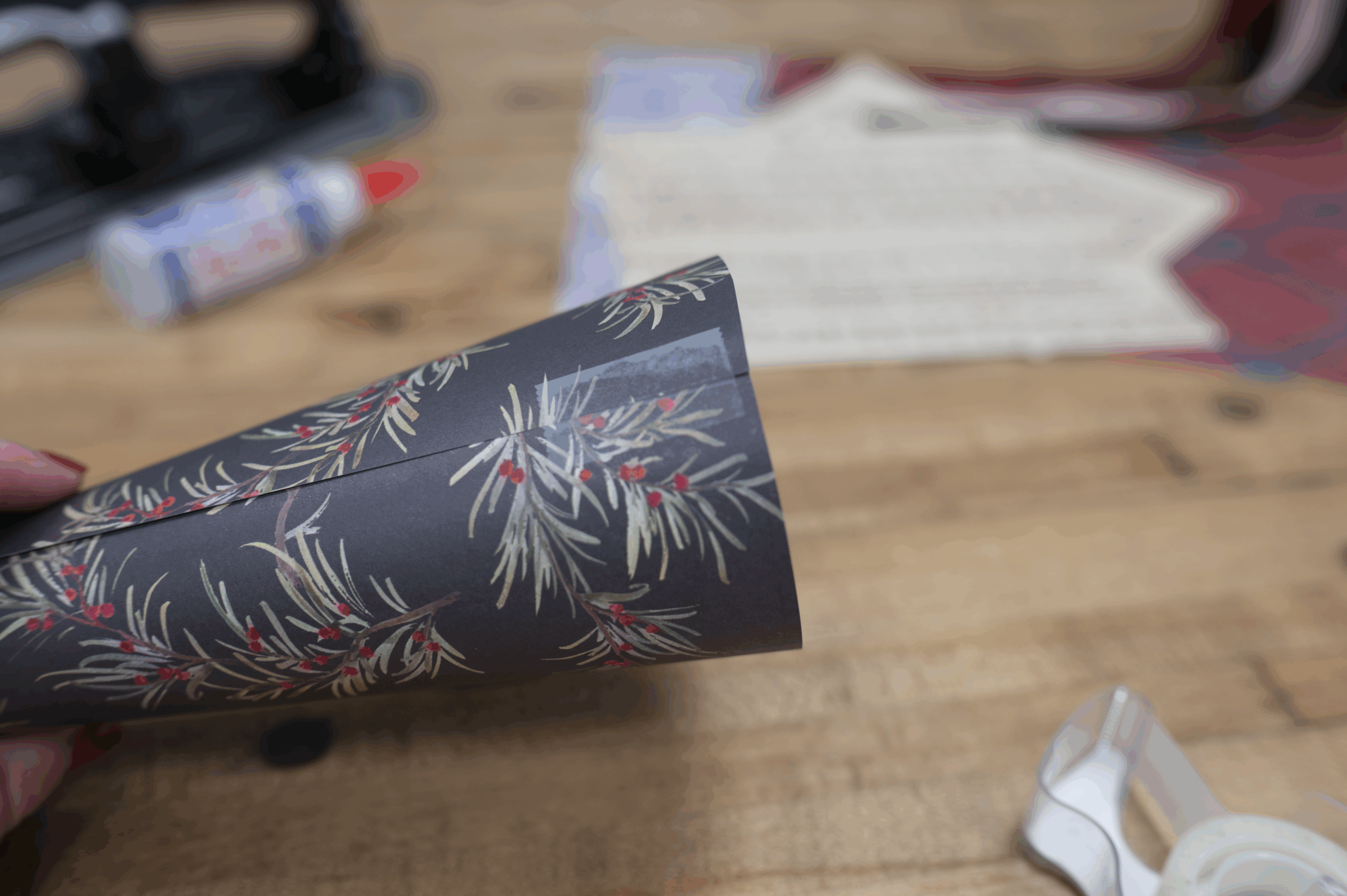
- Form the cone — gently roll the paper so the straight edges overlap slightly, forming a pointed tip at one end and a circular opening at the other. Adjust until the cone looks even and nicely shaped.
- Seal the cone — apply a thin line of glue or tape along the inside edge, press to secure, and hold until it sets.
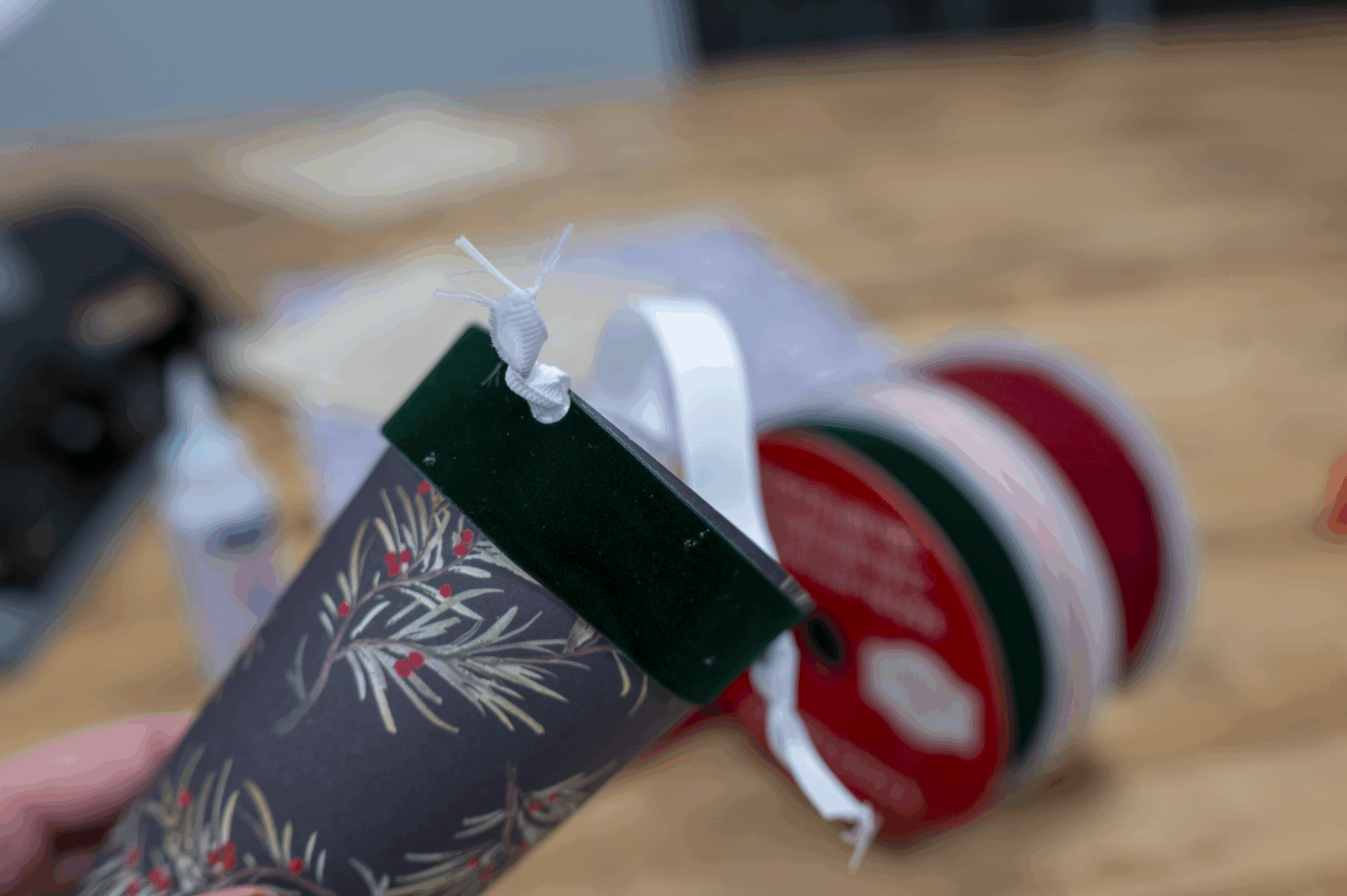
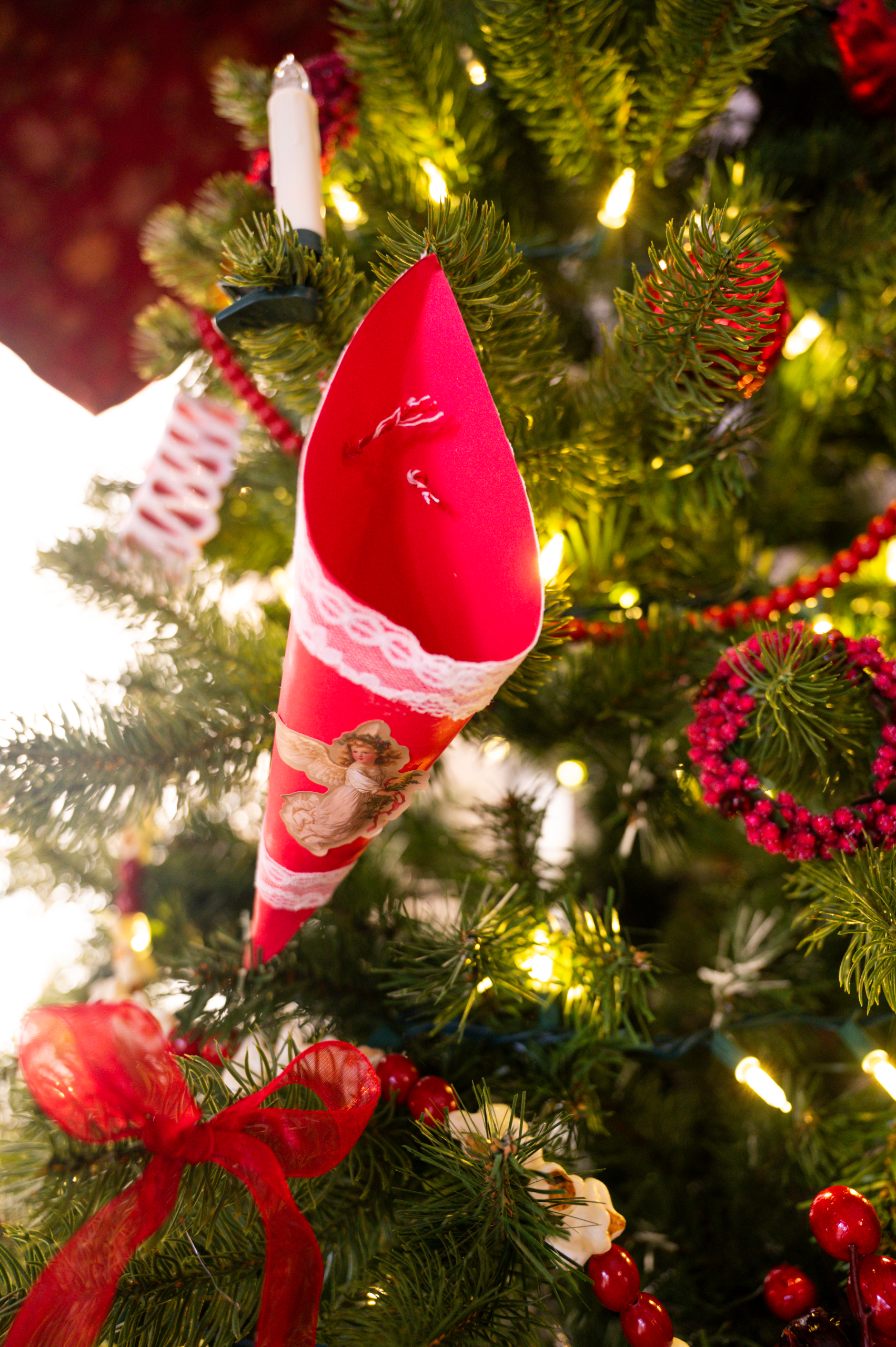
- Trim and decorate (optional) — embellish the top rim with ribbon, lace, or beads. You can also add a small loop of ribbon or string so the cone can be hung from a tree branch, stair railing, or doorknob.
- Fill or hang — If you like, place small treats, nuts, candy, or a sprinkle of evergreen inside. Otherwise, the cone can just be hung empty as a simple ornament — adding a handmade, historic touch.
Why This Tradition Resonates with the Peel Museum
As you walk through the Peel Museum, the holiday season comes alive in a way that feels both historic and deeply personal. Today, visitors will find decorated evergreens and period-appropriate Christmas touches in more rooms throughout the house — a thoughtful way to help you imagine how the Peel family may have adorned their home during the late 19th century.
Upstairs in the main bedroom where the parents would have slept, you’ll see paper Christmas cones displayed much as they might have been during the post–Civil War era. In this period, families were rebuilding their lives with limited resources. Handmade ornaments like these cones were both practical and meaningful: simple to create, inexpensive, and a way to bring beauty and joy into the home during a time of national recovery.
Tips for a Victorian‑Inspired Holiday Decorating Style
-
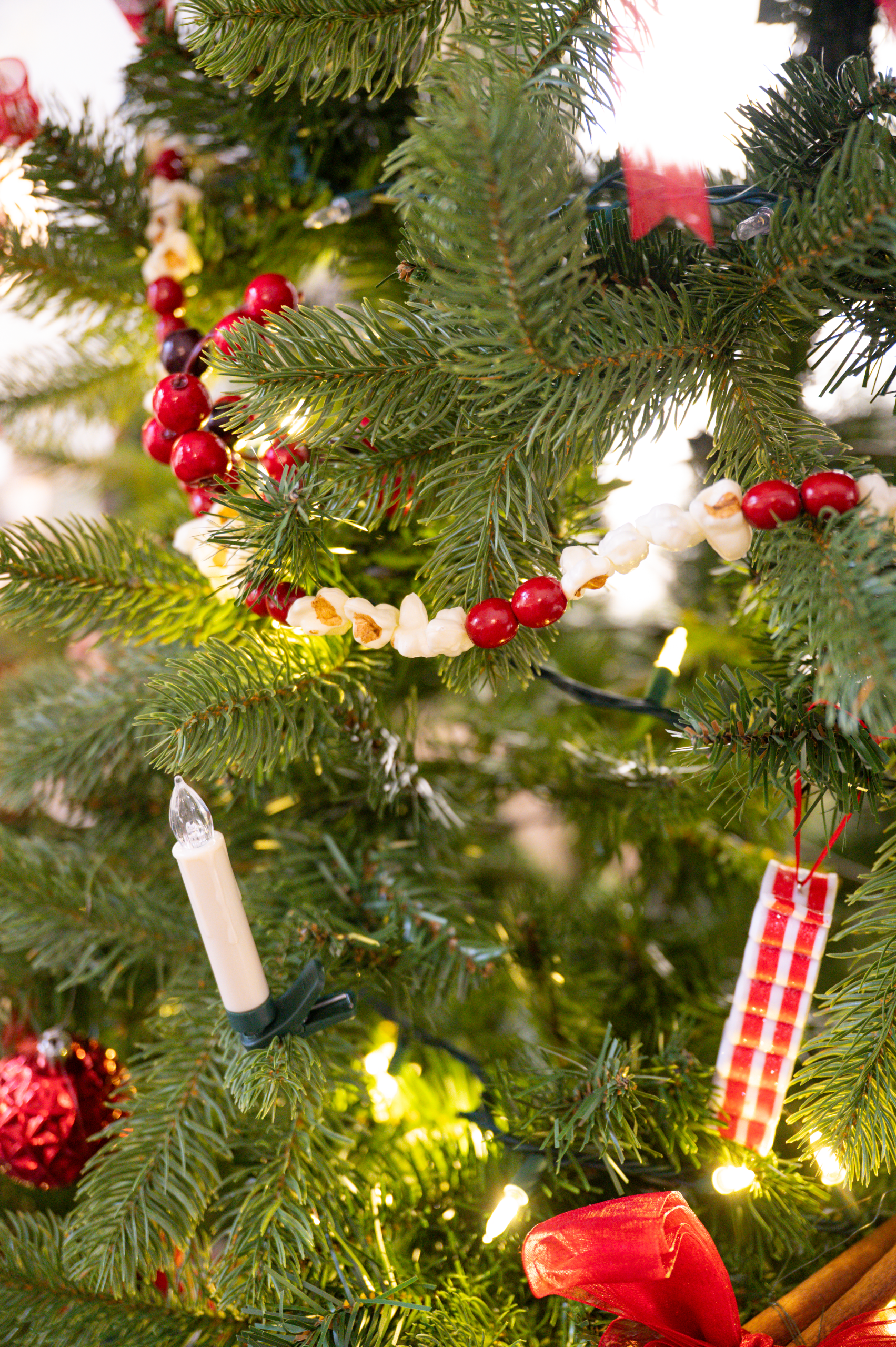
Combine cones with other homemade decorations: popcorn & cranberry garlands, paper chains, handmade paper ornaments, natural greenery such as pine, holly or mistletoe — all part of Victorian decorating ethos.
-
Use warm, soft lighting (candlelight-style LED lights or low‑glow bulbs) rather than bright, modern Christmas lights — mimicking the cozy candle-lit ambiance Victorian homes would have used.
-
Favor natural, simple materials over modern plastic — paper, fabric scraps, ribbon, dried fruit or nuts, nuts, natural greenery.
-
Treat decoration as a family / community activity — crafting together, creating handmade decor and small treat cones as gifts or surprises.
Conclusion
The Victorian Christmas cone may seem humble by today’s standards, but it embodies a beautiful idea: holiday joy does not require lavish spending — only heart, creativity, and a bit of time. In an 1875 home like the Peel Museum, such a tradition takes on deeper meaning: it becomes a bridge between the lives of long‑ago families and our own seasonal celebrations.