

Land of the Big Red Apple: Apple Orchards & the Peel Legacy in NWA
Land of the Big Red Apple: Apple Orchards & the Peel Legacy in NWA
Introduction: Northwest Arkansas and the Apple Boom
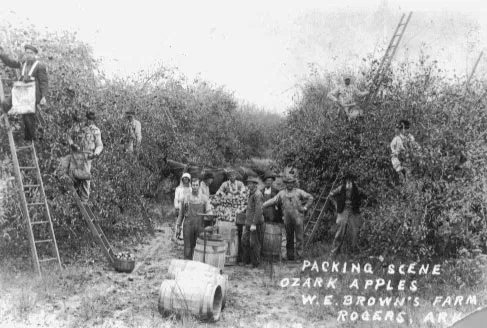
In the late 1800s, Northwest Arkansas was known as the “Land of the Big Red Apple”—a title that reflected its thriving orchard industry. Thanks to the expansion of the railroad in 1881, Benton and Washington Counties quickly rose to prominence, making Arkansas the nation’s largest apple-producing region. Orchards, barrel-making, distilleries, and ice plants all flourished, fueling an economic boom that shaped the region for decades.
At the heart of this history stands the Peel family, whose orchards contributed to the apple legacy that defined Bentonville.
The Rise of Apple Orchards in Northwest Arkansas
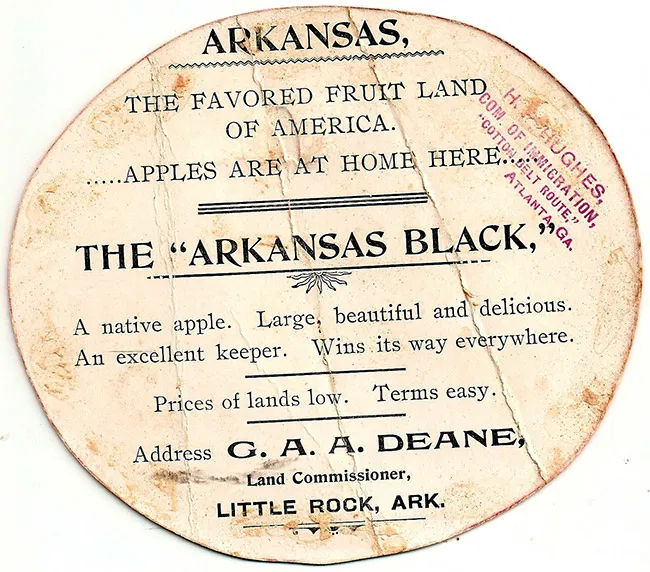
By the year 1900, Benton County boasted nearly 40,000 acres of apple orchards, with Washington County following closely behind. Together, these orchards made Northwest Arkansas a powerhouse of apple production.
The most popular varieties grown in the region included:
-
Ben Davis – prized for durability in shipping.
-
Arkansas Black – a deep red, nearly black apple with remarkable storage life.
-
Mammoth Black Twig – known for size and flavor.
The apple industry also sparked supporting businesses: barrel makers, vinegar and cider distillers, and cold storage facilities. In fact, the Arkansas General Assembly declared the apple blossom the state flower in 1901, a nod to the apple’s importance.
The Peel Family and Their Orchard Legacy
At the center of this orchard boom was Congressman Samuel W. Peel. His Bentonville property, now the Peel Museum & Botanical Garden, once included over 150 acres of apple orchards.
Peel described his farm as having “over five thousand young, healthy apple trees” including:
-
400 Early Harvest
-
600 Maiden Blush
-
300 Grimes’ Golden
-
725 Jonathan
-
2,000 Gano
-
1,000 Mammoth Black Twig
This impressive collection cemented the Peel family’s place in Northwest Arkansas’ apple history, while providing both financial support and a cultural identity for the community.
The Peel Museum & Botanical Garden Today
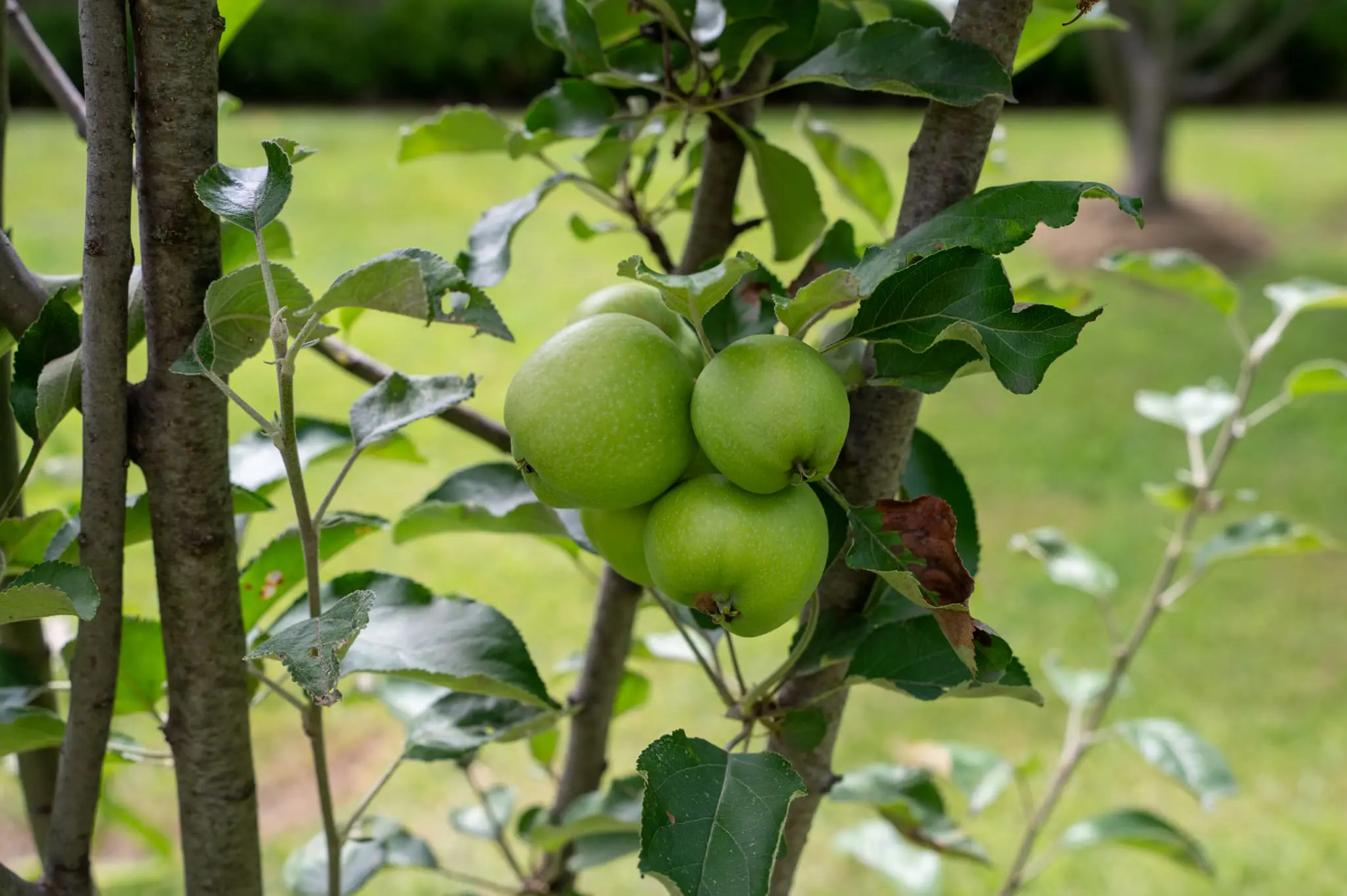
Though the commercial industry declined, the Peel Museum & Botanical Garden continues to preserve this rich heritage. Visitors can stroll through the heritage apple orchard, where varieties once grown in the 19th century thrive again.
Heritage Apple Varieties to Explore
-
Fallawater Apple
-
Ben Davis Apple
-
Spitzenburg Apple
These apples connect visitors not only to local history but also to a wider story of American agriculture.
FAQs: The Land of the Big Red Apple
Why was Northwest Arkansas called the “Land of the Big Red Apple”?
Because in the late 1800s, Benton and Washington Counties became the nation’s leading apple producers, earning the region this title.
What role did the Peel family play in apple history?
The Peels cultivated thousands of apple trees on their estate, now the Peel Museum, contributing to Bentonville’s orchard-driven economy.
Which apple varieties were most important in NWA?
Ben Davis, Arkansas Black, Mammoth Black Twig, Jonathan, and Gano were among the most widely grown.
Why did the apple industry decline in Arkansas?
Diseases, insect infestations, overproduction, and economic downturns like the Great Depression led to the decline.
Where can I experience apple history in Arkansas today?
At the Peel Museum & Botanical Garden in Bentonville, which maintains a heritage apple orchard and hosts seasonal events.
Conclusion: Preserving Apple Heritage in Bentonville
The story of the Land of the Big Red Apple is one of growth, prosperity, decline, and renewal. While large-scale orchards have disappeared, their legacy thrives at the Peel Museum, where heritage apple trees still bloom each year.
Plan your visit to the Peel Museum & Botanical Garden to explore the orchard, taste Bentonville’s heritage, and step into the living history of Northwest Arkansas.