

Healing From Your Backyard:
Easy Medicinal Plants You Can Grow at Home
Have you ever wished you could step outside and gather a natural remedy right from your own garden? You’re not alone. Growing medicinal plants at home is easier than many people realize — and even better, many powerful medicinal plants are native to Northwest Arkansas.
Native medicinal plants are adapted to our climate, easy to care for, and deeply connected to pollinators and wildlife. Here are several beginner‑friendly native medicinal and aromatic plants you can grow at home, along with simple, traditional ways they’ve been used for generations.
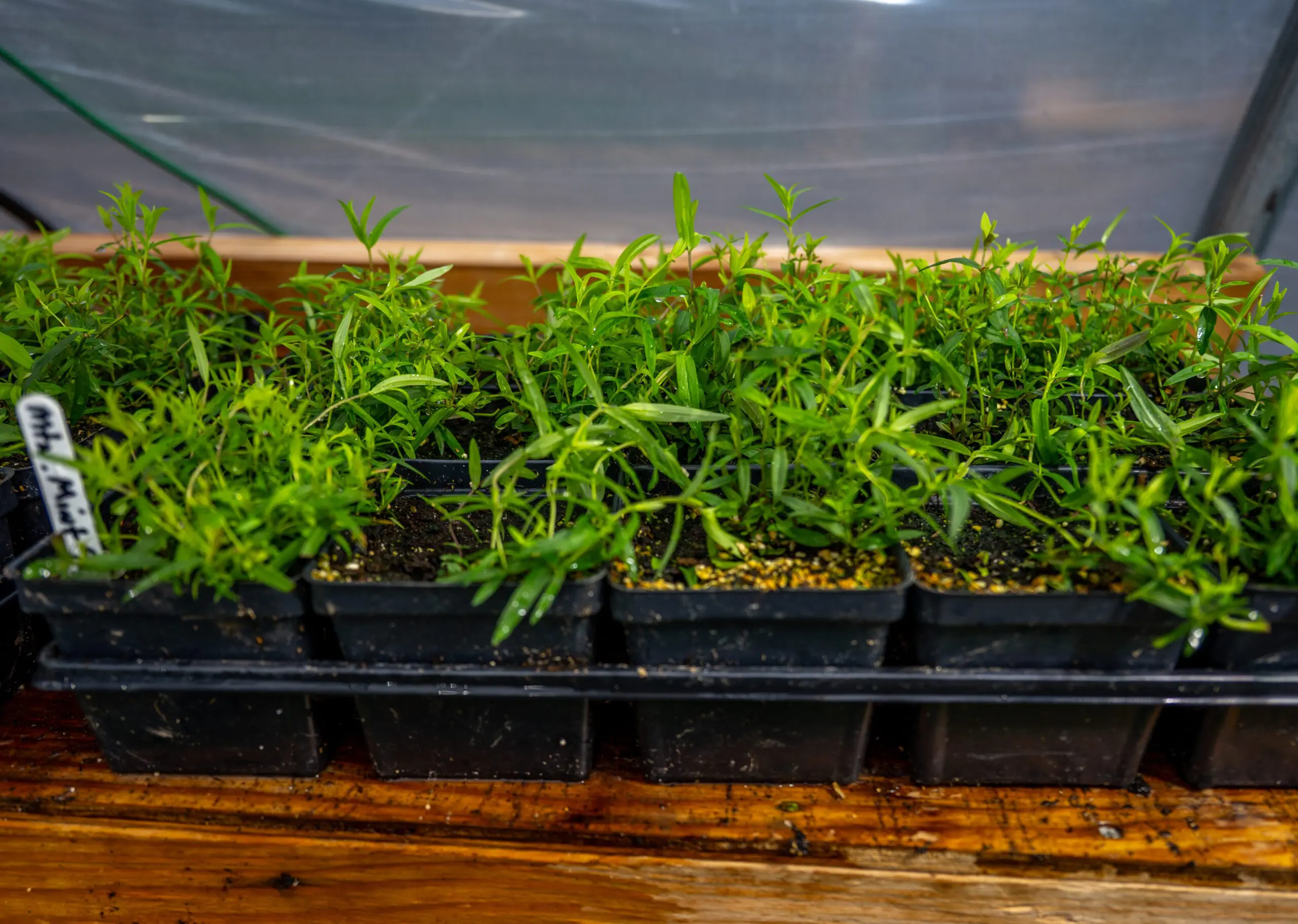
Hairy Mountain Mint
Why you’ll love it:
Hairy Mountain Mint is one of the most hardworking plants in a native garden. Its strong minty scent makes it a favorite of pollinators — and a plant mosquitoes tend to avoid. Traditionally, mountain mint was used to soothe upset stomachs, ease congestion, and support digestion.
Easy ways to use Mountain Mint:
-
Soothing Tea: Steep fresh or dried leaves in hot water for a calming tea after meals.
-
Natural Bug Repellent: Gently crush fresh leaves and rub on clothing or skin to deter mosquitoes.
-
Aromatic Garden Plant: Even without harvesting, its fragrance makes summer gardening more pleasant.
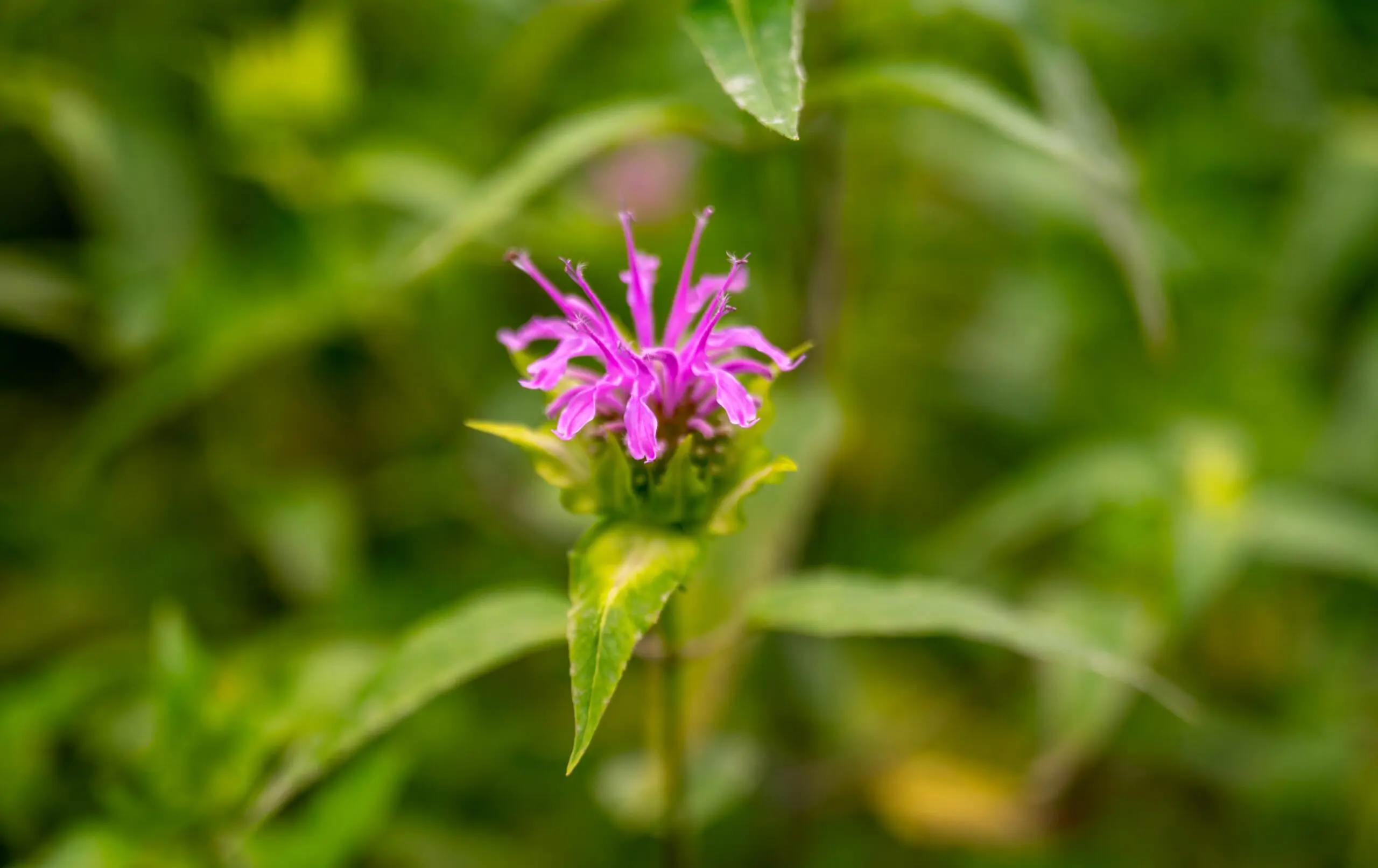
Bradbury’s Monarda (Bee Balm)
Why you’ll love it:
Bradbury’s Monarda is both beautiful and useful. This native bee balm has aromatic leaves that were traditionally used to support respiratory health and ease cold or flu symptoms. It’s also a pollinator powerhouse, attracting hummingbirds, bees, and butterflies.
Easy ways to use Bee Balm:
-
Herbal Tea: Brew leaves or flowers into a warm, fragrant tea when you’re feeling under the weather.
-
Steam Inhalation: Add a handful of leaves to hot water and breathe in the steam for congestion relief.
-
Garden Beauty: Even if you never harvest it, Bee Balm adds texture and movement to the garden.
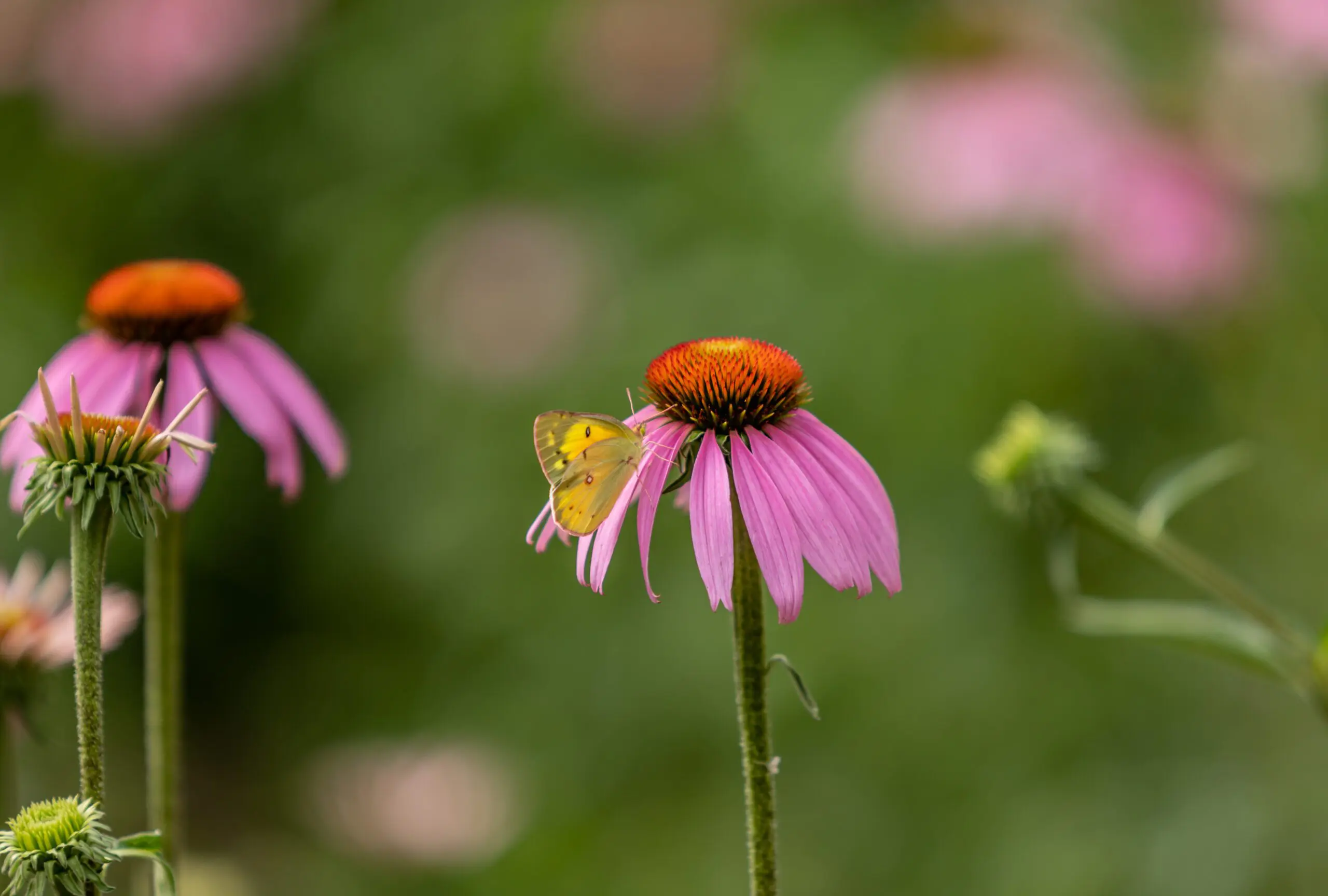
Echinacea (Coneflower)
Why you’ll love it:
Coneflowers are among the most well‑known native medicinal plants. Traditionally, echinacea roots and flowers were used to support immune health, especially at the onset of seasonal illness. These plants also provide long‑lasting color and are beloved by pollinators.
Easy ways to use Echinacea:
-
Immune‑Support Tea: Dry petals and roots, then steep in hot water when you feel a cold coming on.
-
Garden Cut Flowers: Even if you don’t harvest medicinally, coneflowers shine in bouquets.
-
Pollinator Support: Bees and butterflies flock to these blooms throughout summer.
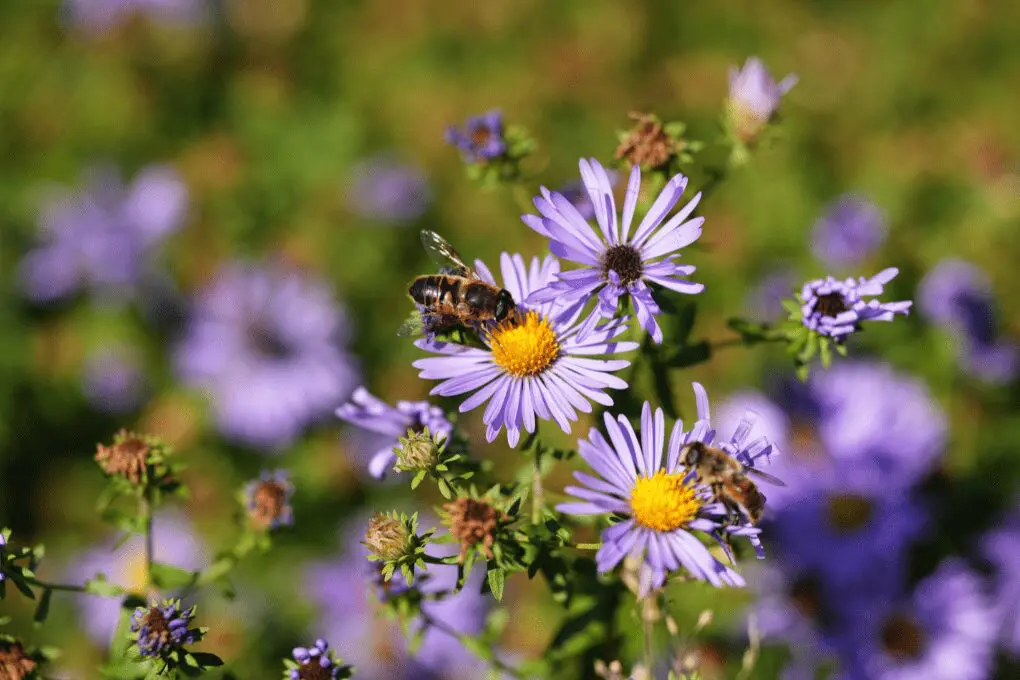
Aromatic & Smooth Blue Aster
Why you’ll love it:
Asters bloom later in the season when many plants have finished flowering. Traditionally, some native asters were used in teas for respiratory support and general wellness. Today, they’re especially valuable for late‑season pollinators preparing for winter.
Easy ways to enjoy Asters:
-
Herbal Infusion: Leaves and flowers were historically used in mild teas (always research before use).
-
Fall Garden Interest: Asters bring color when the garden needs it most.
-
Pollinator Lifeline: Late blooms provide crucial nectar for bees.
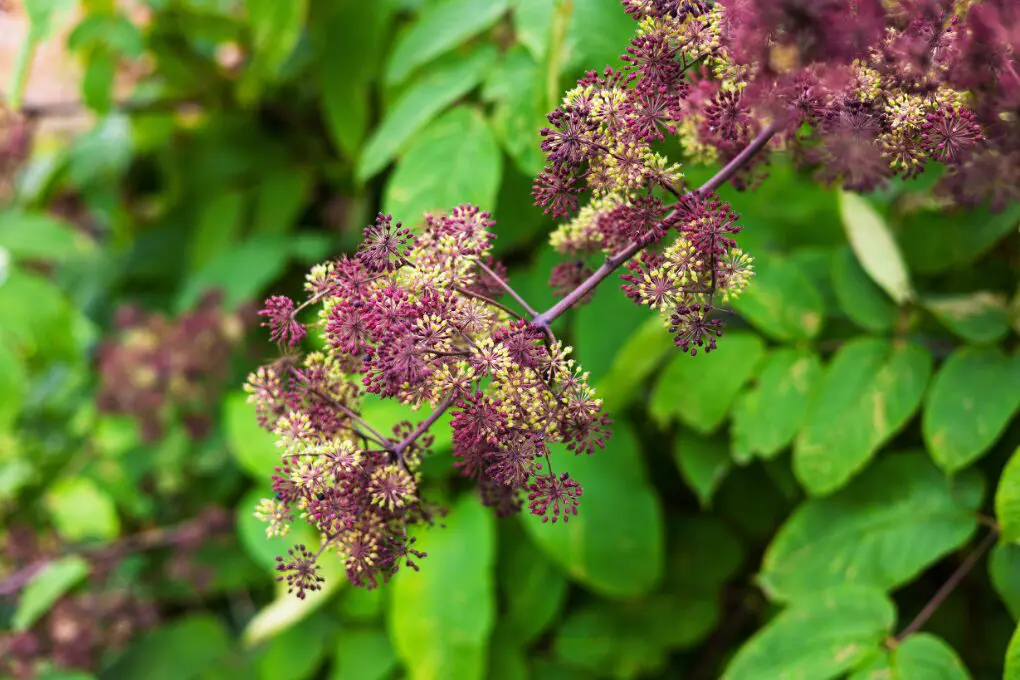
Spikenard
Why you’ll love it:
Spikenard is a striking native woodland plant with a long history of traditional medicinal use. The roots were historically used to support digestion and joint comfort. It’s also an excellent plant for shadier garden areas, where many medicinal plants struggle.
Easy ways to appreciate Spikenard:
-
Root-Based Preparations: Traditionally used dried or tinctured (advanced herbal use).
-
Shade Garden Star: Adds height and interest to woodland or partial‑shade beds.
-
Wildlife Value: Birds enjoy its berries later in the season.
Why Choose Native Medicinal Plants for Your Garden?
Growing native medicinal plants offers benefits far beyond personal wellness:
-
Low Maintenance: Adapted to local soils and weather, they need less water and care.
-
Pollinator Friendly: Native plants provide essential nectar and habitat.
-
Sustainable & Ethical: Supports local ecosystems and biodiversity.
-
Beautiful & Functional: Healing plants that also make your garden stunning.
When you plant native medicinal species, you’re cultivating a garden that supports both human health and environmental health — year after year.
Find These Native Medicinal Plants at the Dr. Compton Natuve Tree & Plant Sale
The medicinal and aromatic plants featured here — including Hairy Mountain Mint, Bradbury’s Monarda, Coneflowers, Asters, and Spikenard — will be available at this year’s Spring Dr. Compton Native Tree & Plant Sale.
Whether you’re creating a wellness garden, pollinator habitat, or simply want beautiful, useful plants that thrive in Northwest Arkansas, these native perennials are a powerful place to start.