
Sweet & Sour Victorian Valentine’s Traditions
From Ornate Cards to Vinegar Valentines
Valentine’s Day in the Victorian era was a celebration filled with elaborate gestures, poetic sentiment, and in some cases, surprising sass! While we often associate this romantic holiday with roses and heartfelt cards, the Victorians expressed affection in far more complex ways. From delicate, handcrafted tokens of love to comically cruel caricature cards known as “vinegar valentines,” the traditions of the 19th century reveal a sweet and sour side to how people gave and received messages of the heart.
The Rise of the Valentine’s Card in the Victorian Era
The practice of sending love notes on Valentine’s Day dates back centuries, but it was during the Victorian period that Valentine’s cards flourished. Several cultural and technological changes made this possible:
- Mass printing reduced the cost of cards
- The Penny Post allowed people to send mail cheaply and anonymously
- A booming middle class sought new, fashionable ways to express emotion
Valentine’s cards during this time were often elaborate works of art. Many featured:
- Hand-cut lace paper
- Ribbons, dried flowers, and gold leaf
- Pop-up designs or secret compartments
- Sentimental poems, often written in flowery language
These cards were far more than simple greetings. They were considered suitable tokens for courtship. Sending or receiving one was often seen as an expression of serious intent.
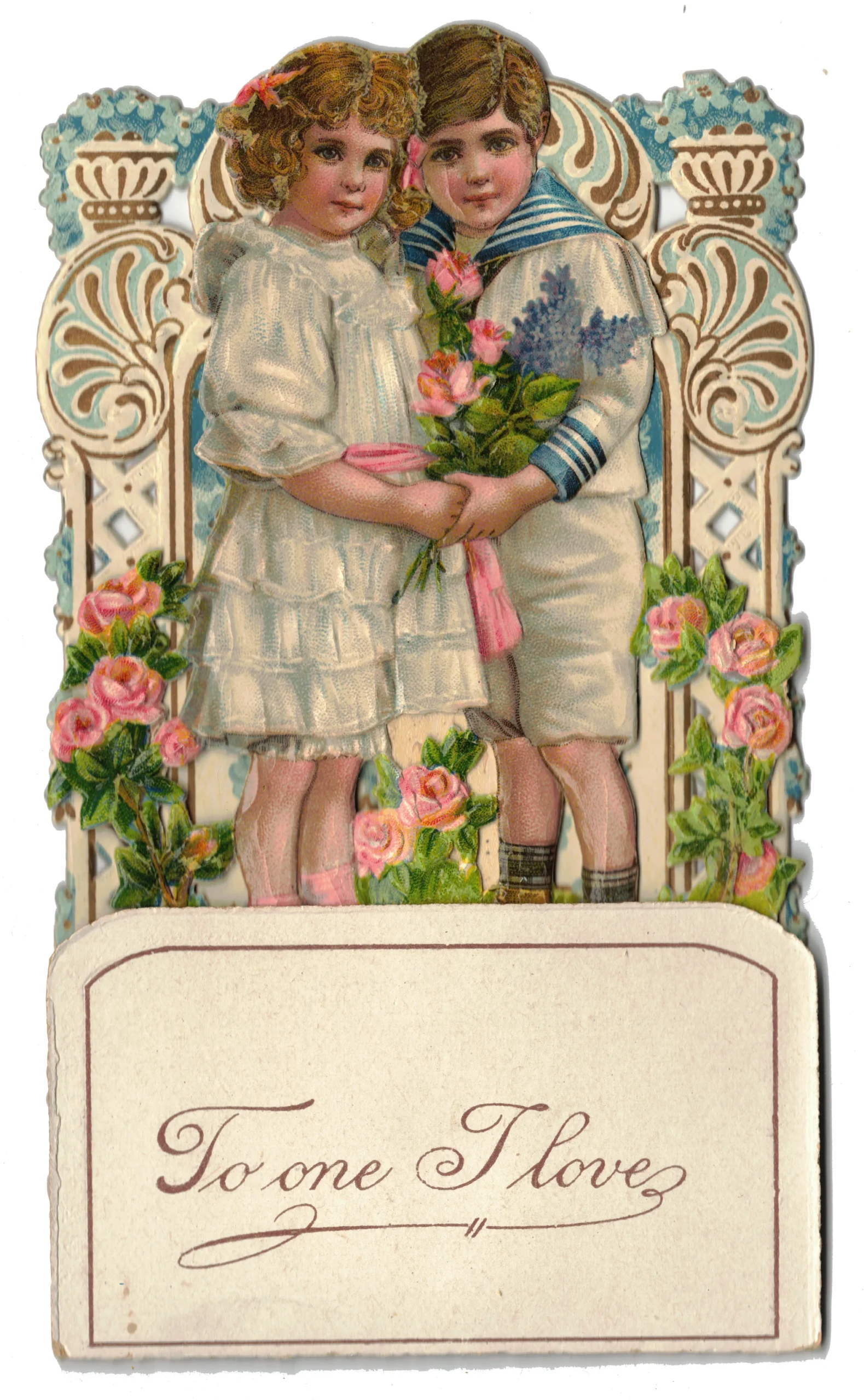
Valentine, circa 1890-1900. Hinsdale Historical Society Archives.
Symbolism in Victorian Valentines
The Victorians loved hidden meaning, and Valentine’s cards were no exception. Each element on a card carried symbolic weight:
- Doves symbolized peace and love
- Locks and keys symbolized a “key to one’s heart”
- Certain flowers contained symbolic meaning as well, known as floriography
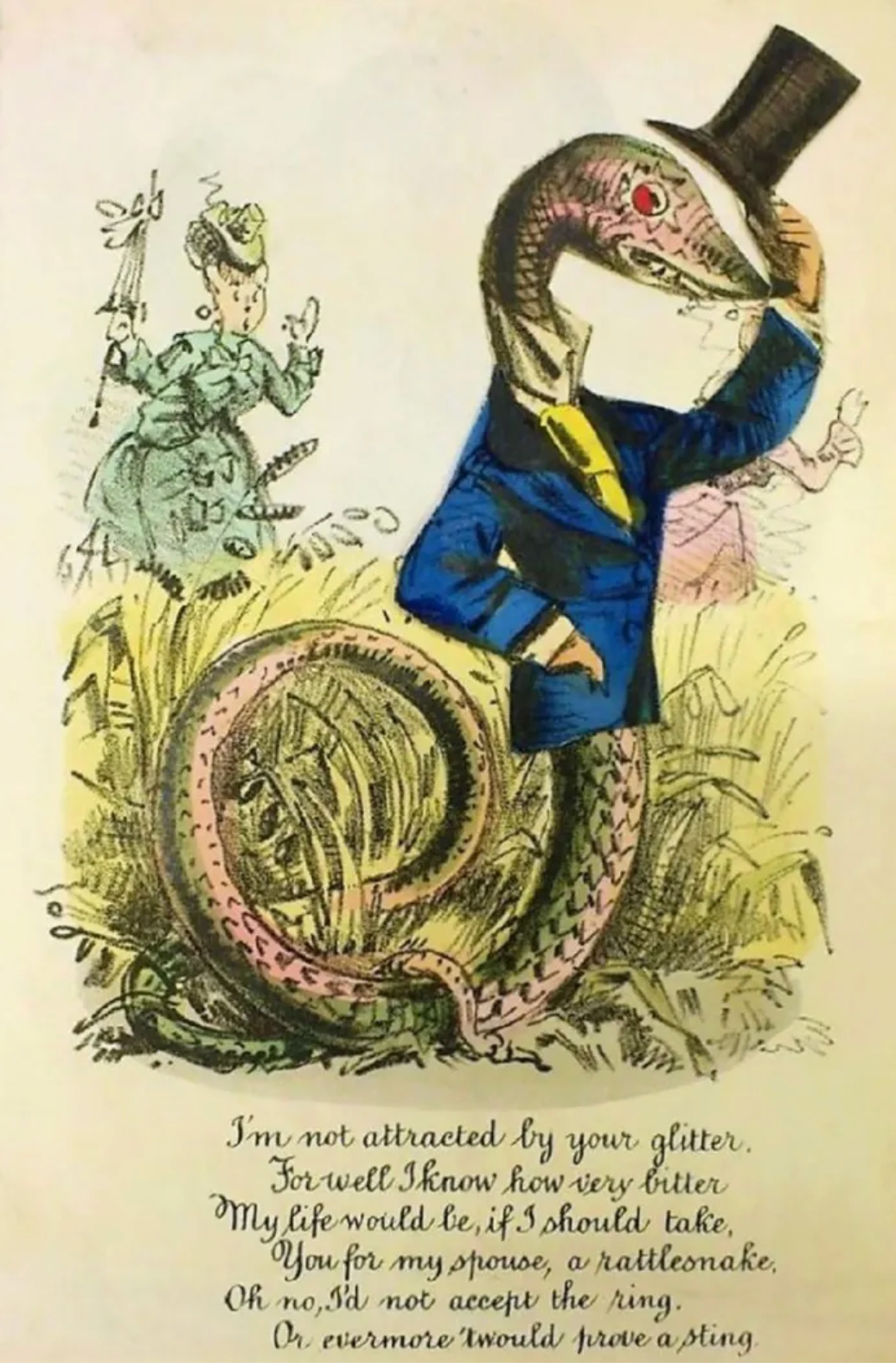
Vinegar Valentine’s Day Card, circa 1870. Public Domain.
Vinegar Valentines
Did you know that not all Valentine’s sentiments were sweet? Around the same time that romantic cards were gaining popularity, a very different kind of Valentine emerged: the vinegar valentine.
These cheaply printed cards, often sold in drugstores or markets, were designed to mock, insult, or reject their recipients. Unlike ornate lace valentines, vinegar valentines featured exaggerated cartoons and biting rhymes.
Examples:
- “To a conceited young lady – Your head may be pretty, but brains there are none. You’d look better off if your vanity was gone.”
- “To an awful flirt – With all your airs and silly pose, you’re just a girl whom no one chose.”
Though humorous to some, these cards could be cruel. They were often sent anonymously, and the intention was rarely romantic.
Why Did Vinegar Valentines Exist?
Several cultural trends contributed to their popularity:
-
Rising literacy rates and accessible printing made cards affordable to the working class
-
The anonymity of the mail emboldened senders to express what they wouldn’t say face-to-face
-
Satirical and rude humor was common in 19th-century culture — these valentines reflected that
In many ways, vinegar valentines were a form of social commentary — expressing dissatisfaction, rejecting unwanted attention, or simply poking fun. While today we see Valentine’s Day as a holiday of positivity, Victorians didn’t mind mixing a little scorn with their sentiment.
Sweet and Sour: What These Cards Tell Us
The contrast between ornate love notes and sarcastic vinegar valentines reveals the complex emotional landscape of the era. On one hand, Victorians prized formality, beauty, and emotional expression. On the other, they also had room for humor, satire, and social critique.
This duality offers a window into Victorian society — a time of strict etiquette and expressive creativity.
Modern Echoes of Victorian Valentine’s Traditions
Many of today’s Valentine’s customs stem from this era:
-
The popularity of greeting cards for romantic occasions
-
The continued use of symbolic designs and heartfelt poetry
-
The existence of “anti-Valentine” humor cards or memes — direct descendants of vinegar valentines
Even now, the language of flowers, lacy designs, and humorous twists on romance echo the traditions started more than 150 years ago.
Learn More About Victorian Traditions
Want to experience more of this charming history firsthand? Visit The Peel Museum & Botanical Garden to explore local collections and learn about 19th-century traditions.