

Odd Mourning Rituals of the Victorians
Odd Mourning Rituals of the Victorians
Grief in the Victorian era wasn’t a quiet, private affair. It was something people saw, touched, and even wore. Death was part of daily life, and so were the rituals that came with it. While many of these customs might seem eerie or strange today, they offered structure, symbolism, and comfort to those left behind.
Let’s take a look at some of the more unusual ways Victorians expressed their sorrow. Some are touching. Others are haunting. All reveal just how deeply people once leaned into the rituals of mourning.
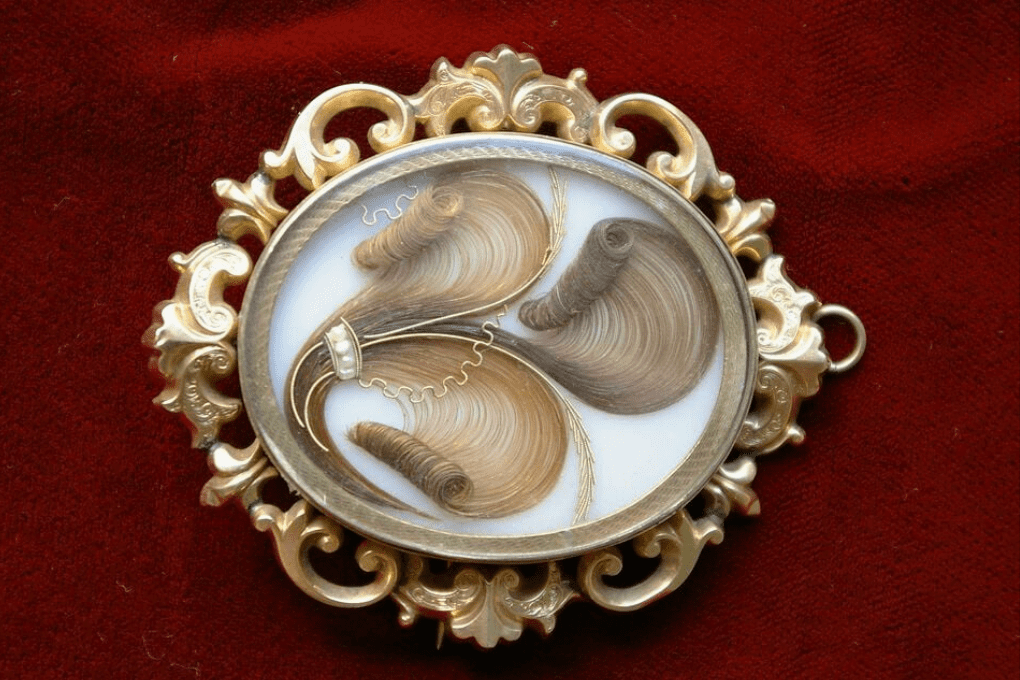
Wearing Jewelry Made From Human Hair
One of the most personal tokens of remembrance was hairwork jewelry. When a loved one passed away, it wasn’t unusual to cut a lock of their hair and weave it into brooches, rings, or even framed art. These handmade pieces were worn every day, often by women, as a quiet tribute to someone they had lost.
Hair was seen as a part of the person that remained long after death. Keeping it close helped people feel connected to the one they were grieving.
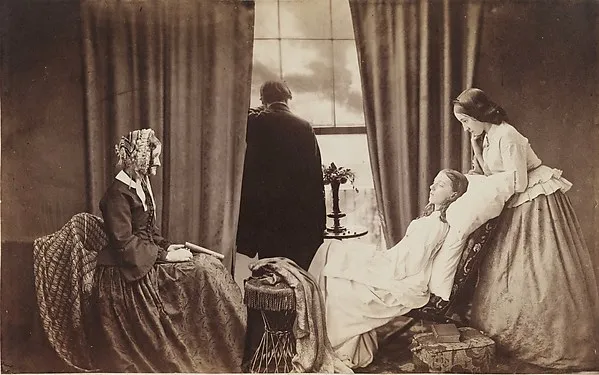
Fading Away by Henry Peach Robinson in 1858
Posing for Post-Mortem Photos
Photography was still fairly new in the mid-1800s. For many families, a photo taken after someone had passed might be the only image they’d ever have of them. These post-mortem portraits often featured the deceased posed as if sleeping or surrounded by loved ones in carefully arranged scenes.
While it might seem unsettling to modern eyes, Victorians viewed these images as respectful and sacred. They were a way to hold on to memory when words and objects weren’t enough.
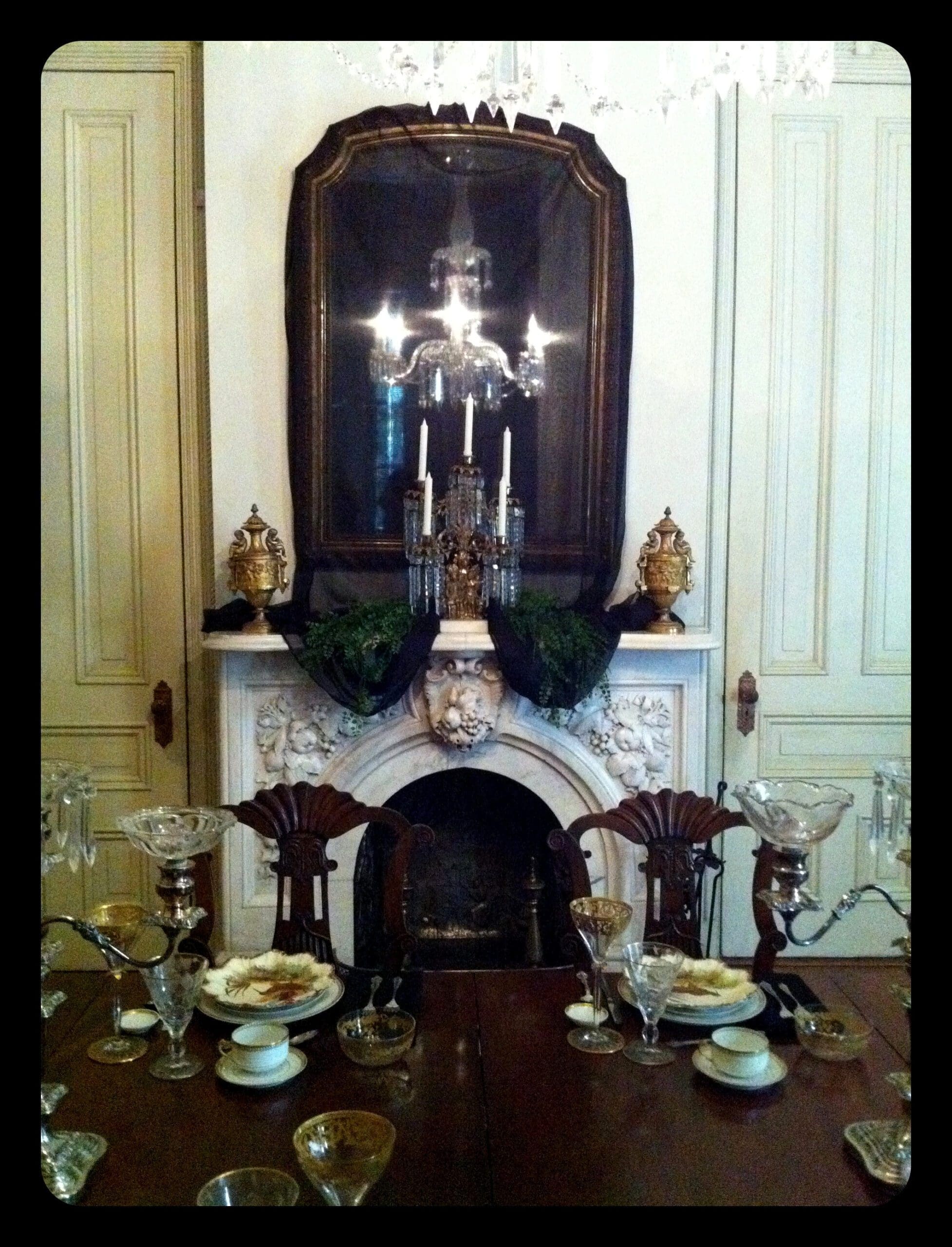
Memphis in Mourning exhibit; Woodruff-Fontaine House Museum; Memphis, Tennessee
Stopping the Clocks and Covering the Mirrors
When someone died, one of the first things people would do was stop every clock in the house. This was meant to freeze the moment of death in time. Mirrors were also covered or turned around. Some believed a soul could become trapped inside a mirror. Others simply wanted to remove any reflections during a time of grief.
These customs were both practical and symbolic. They helped set a clear boundary between daily life and the mourning period.
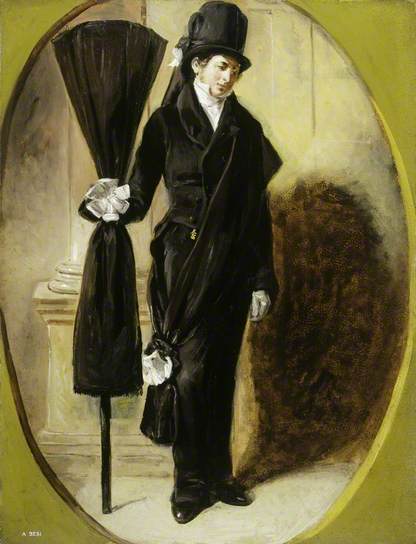
The Funeral Men The Funeral Mute; Robert William Buss; Museum of London
Hiring Professional Mourners and Mutes
Some funerals included people whose only job was to mourn. Hired mourners, sometimes called mutes, would either wail dramatically or stand in complete silence as part of the funeral procession. Dressed in black, they helped create an atmosphere of solemnity and respect.
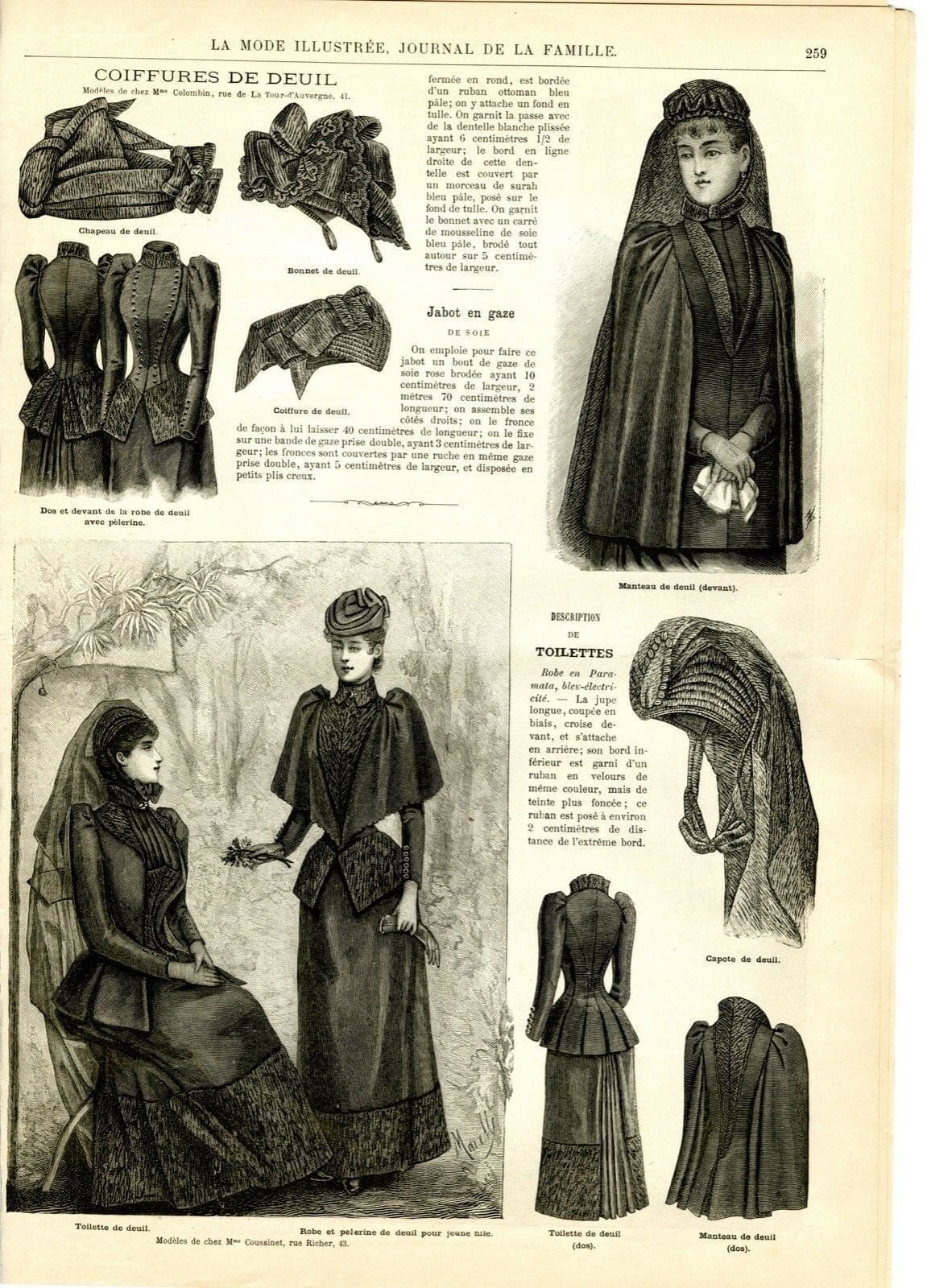
1819 Mourning Dress
Mourning Clothing and the Widow’s Cap
Victorian mourning dress was more than just wearing black. Women, especially widows, followed strict fashion rules. A widow’s cap, made of lace or crepe, became a symbol of her new social identity. Some women wore full mourning attire for a year or more, gradually shifting to lighter shades as they re-entered society.