

Not All Vines Are Invasive: Native Climbers That Help Your Garden Thrive
Not All Vines Are Invasive: Native Climbers That Help Your Garden Thrive
Rethinking Vines in the Garden
Many gardeners hesitate to plant vines because of invasive species… images of vines overtaking fences, smothering trees, or outcompeting beloved perennials come to mind. But did you know not all vines are invasive? In fact, native vines can be some of the most beneficial and beautiful climbers in your garden. At the Dr. Compton Native Tree & Plant Sale, we’re featuring several native vines that prove vines can be well-behaved, ecologically valuable, and gardener-friendly.
Why Do Vines Get a Bad Rap?
When most people think of vines, species like English ivy, Japanese honeysuckle, or kudzu might come to mind. These non‑native vines have earned a reputation for spreading aggressively, disrupting natural ecosystems, and damaging structures. That reputation unfortunately spills over to all vines… even the good ones!
But vines aren’t inherently invasive. The key difference lies in whether a vine is native and adapted to local ecosystems or non‑native and prone to uncontrolled spread. Native vines have evolved alongside local flora and fauna, making them safer, more supportive of wildlife, and easier to manage in a home garden.
Native Vines You’ll Love at the Compton Gardens Plant Sale
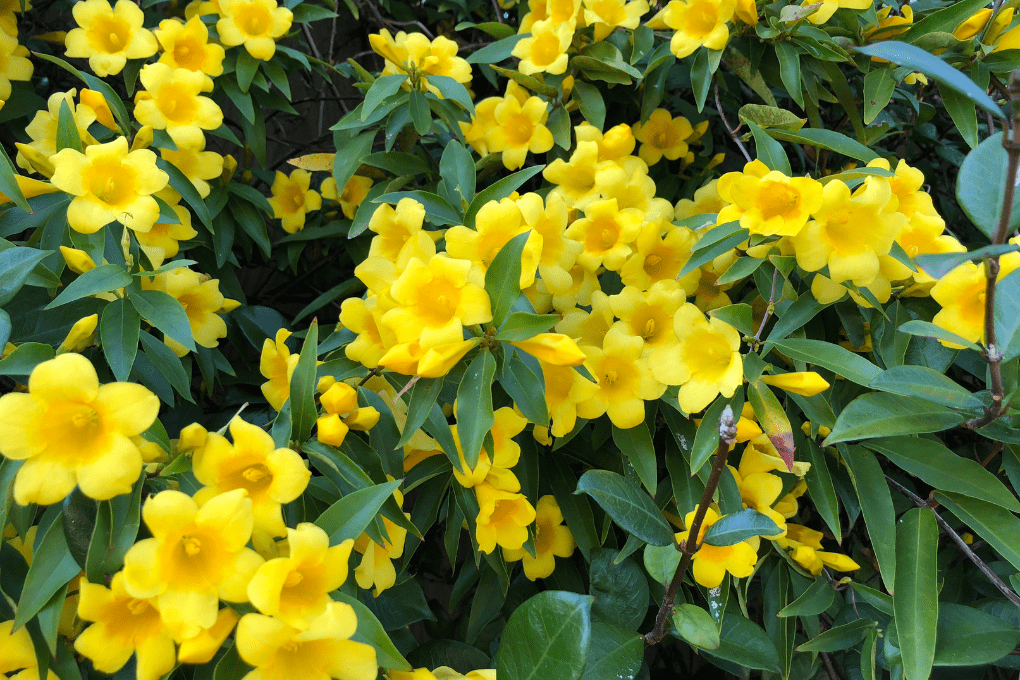
Carolina Jessamine ‘Margarita’
Carolina Jessamine is a native vine known for its bright yellow, trumpet‑shaped flowers and pleasant fragrance. The cultivar ‘Margarita’ offers abundant blooms that are especially striking in spring. With evergreen leaves in mild climates, this vine provides year‑round structure and color. ‘Margarita’ climbs gracefully on trellises, fences, or arbors, and its showy flowers attract early‑season pollinators.
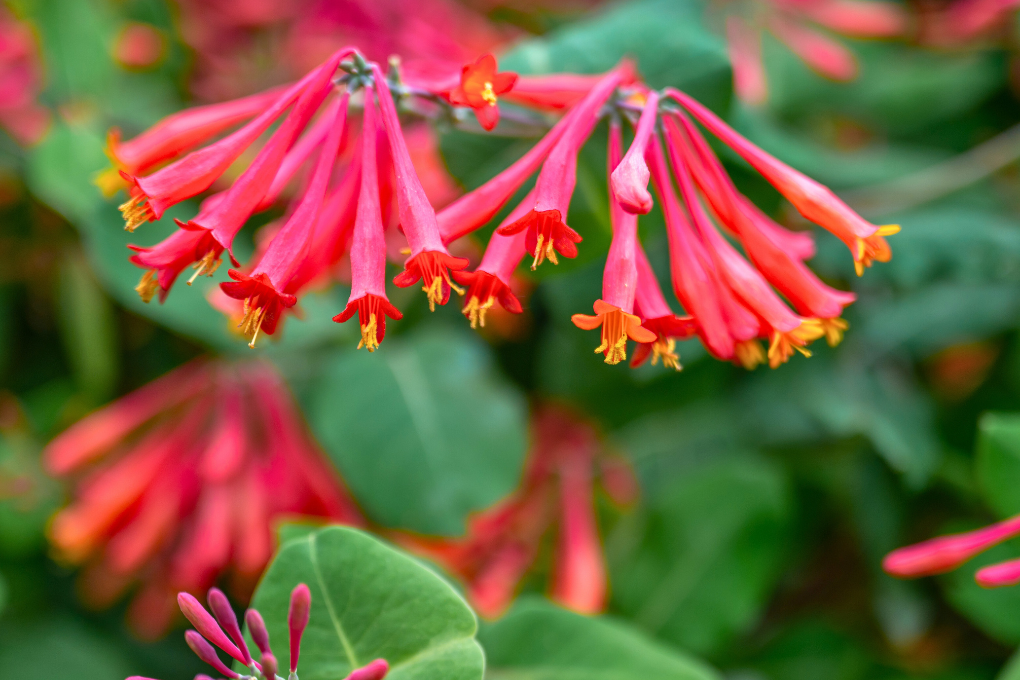
Coral Honeysuckle
If you want a native vine that hummingbirds love, Coral Honeysuckle should be on your radar. Its vibrant red‑orange, tubular flowers are tailor‑made for hummingbird visits, making it a magnet for these energetic pollinators throughout the blooming season.
Unlike some non‑native honeysuckles that can become aggressive, Coral Honeysuckle is a controlled native vine that twines to its support rather than clinging destructively. It’s an excellent choice for arbors, pergolas, or trellises where you want vertical interest without sacrificing garden harmony.
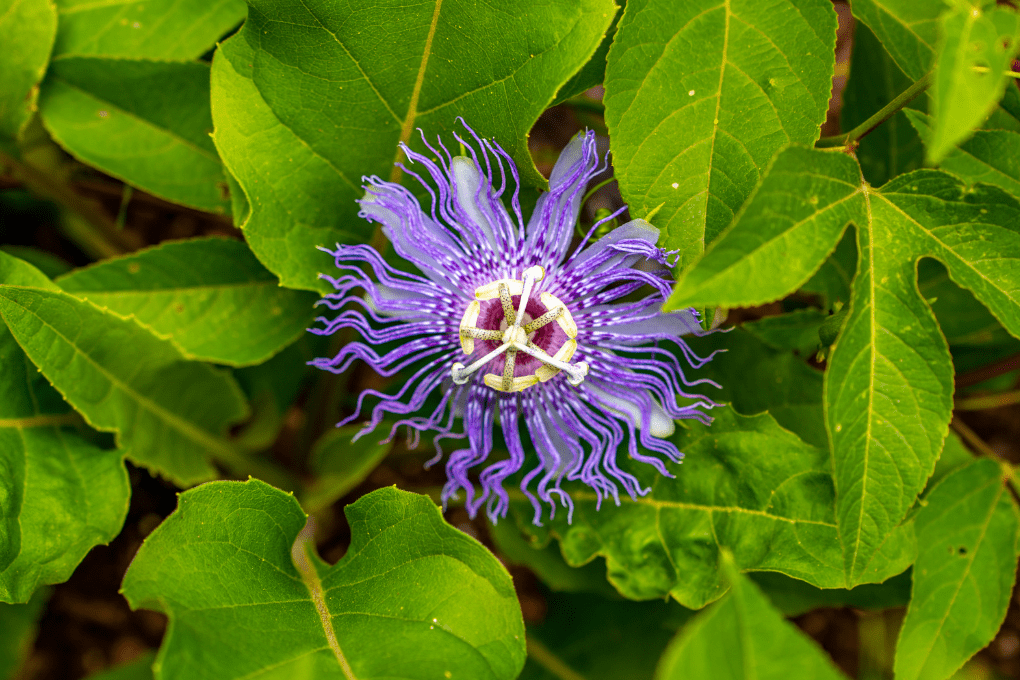
Passion Vine
With exotic, intricate blooms that look almost tropical, Passion Vine brings drama to any garden. But its value goes beyond aesthetics. This native vine serves as a host plant for butterflies, supporting caterpillars as they grow and helping local butterfly populations thrive.
Passionflower regrows each spring and can be trained on supports like fences or obelisks. Its tendrils make it easy to direct growth where you want it, and its interesting flowers generate plenty of garden conversation.
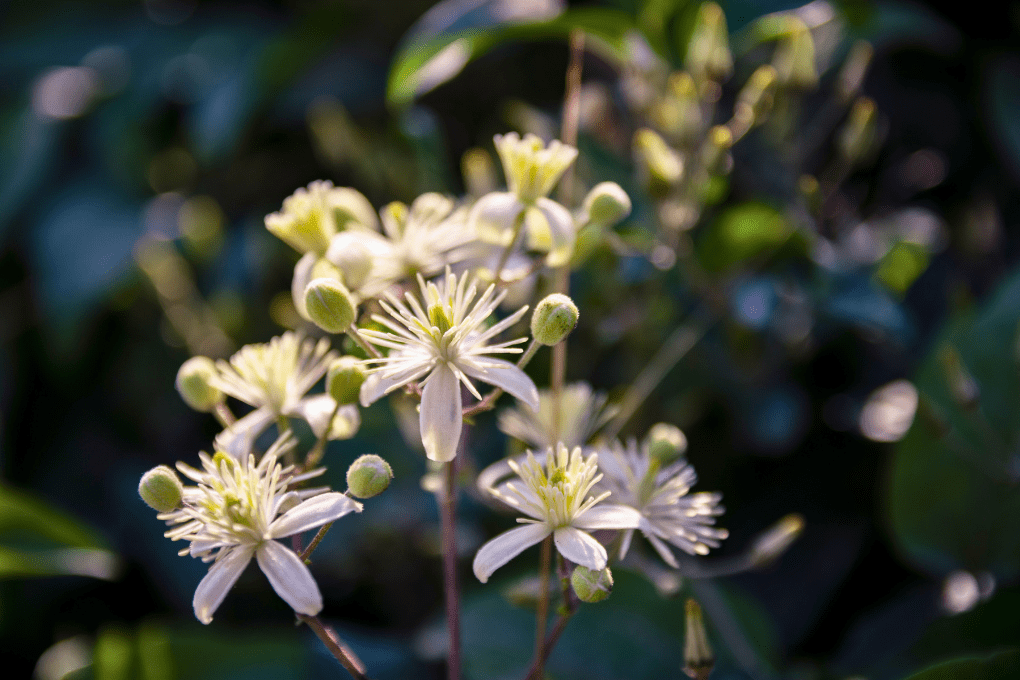
Virgin’s Bower Clematis
Virgin’s Bower offers a delicate and airy display of small white flowers, typically in late summer into fall. This native clematis brings an elegant softness to garden structures without the aggressive growth habits associated with some ornamental clematis species.
The Pollinator Power of Native Vines
One of the biggest perks of planting native vines is the benefit they offer to wildlife. These climbers aren’t just beautiful; They’re functional!
- Pollinators love them: Hummingbirds, bees, and butterflies are frequent visitors.
- Host plant support: Some vines serve as essential host plants for butterfly larvae.
- Seasonal interest: Native vines offer blooms at different times of year, extending your garden’s attractiveness to wildlife.
Easy‑Care Beauty: Tips for Growing Native Vines
Pick a Support Structure
Most vines thrive when given something to climb:
-
Trellises
-
Arbors
-
Fences
-
Pergolas
Plant in the Right Spot
Choose a location with appropriate sun exposure:
-
Full sun for many flowering natives
-
Light shade for vines that tolerate less intense sun
Prune for Control
Native vines respond well to annual pruning that keeps them where you want them. Unlike invasive vines that smother everything, these respond nicely to thoughtful trimming.
Minimal Inputs
Because they’re adapted to local conditions, native vines typically need less water, fertilizer, and maintenance once established.
Join Us at the Dr. Compton Native Tree & Plant Sale
Ready to bring these beneficial natives into your landscape? The Dr. Compton Native Tree & Plant Sale on April 13-17, 2026, is your chance to find high‑quality native vines that add beauty, life, and ecological support to your garden.
Frequently Asked Questions About Native Vines
Are native vines really non‑invasive?
Yes! When chosen and planted responsibly, native vines climb without overrunning other plants.
Will these vines damage trees or structures?
Native vines like the ones featured are gentle climbers when supported properly and won’t harm healthy trees or buildings.
Do I need a trellis for native vines?
Most native vines benefit from supports like trellises or arbors, which help them display their best form.
Are these vines safe for children and pets?
Some native vines may be toxic if ingested, so always check plant details and site them appropriately.
When should I plant them?
Spring or fall plantings give vines the best start before extreme heat or cold.