

The Ecosystem

at Coler Mountain Bike Preserve
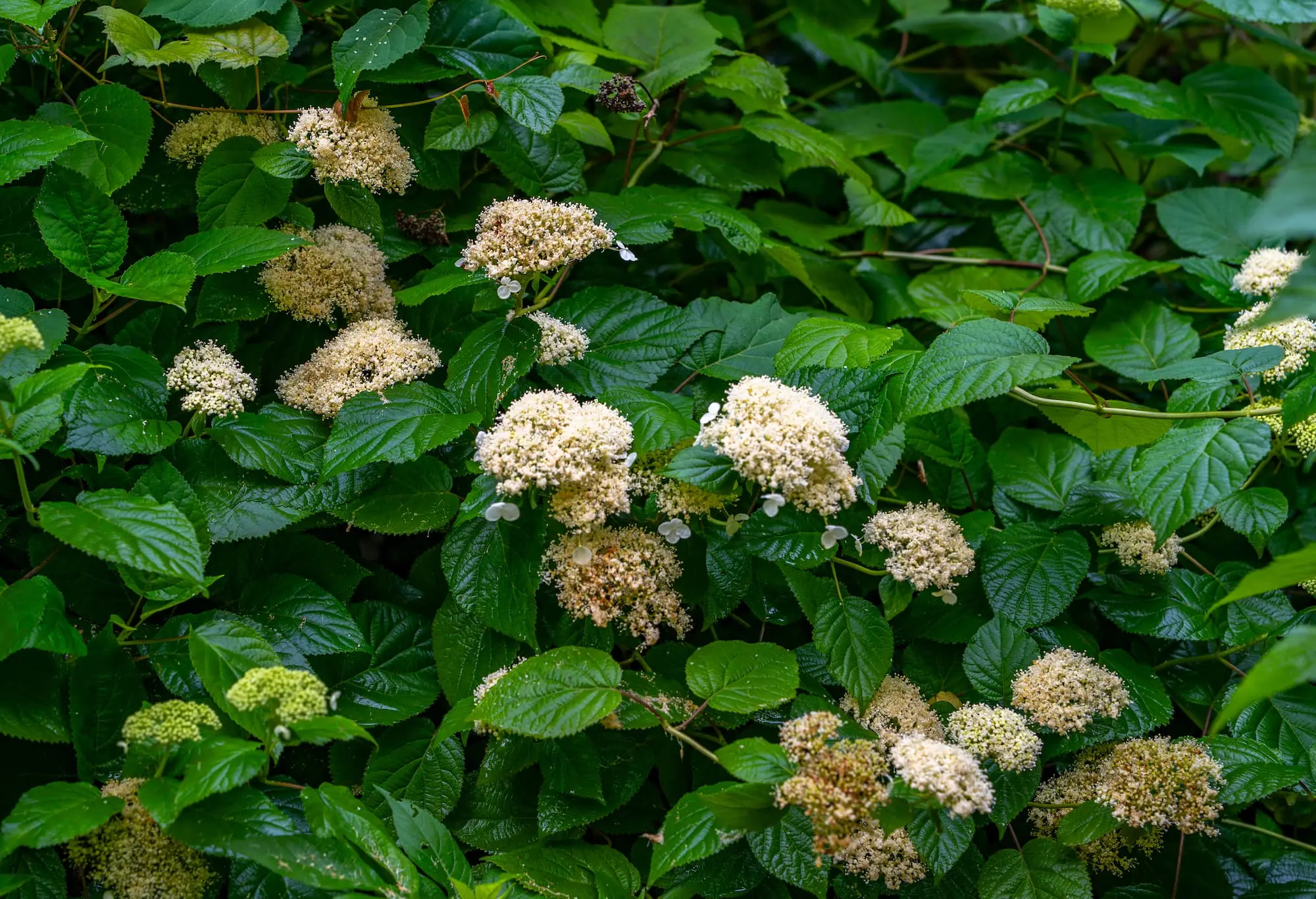
Coler in Bloom

The cyclical falling and filling of the Coler canopy insures new perspectives and experiences throughout the year.

In summer, the hardwood forests of the Ozarks shade these hillsides, a dense cover concealing the landscape. The trees drop their leaves in fall in preparation for the cold winter, revealing the transition between valley and hillside. In early spring, there’s a brief time before the trees leaf out when the warm sunlight reaches the ground.

Then, magic happens. These hills come alive with color as an amazing variety of blooms burst forth, including Spiderwort, Butterfly Weed, Dense Blazing Star, Kalm’s St. John’s Wort, Black-Eyed Susan, and Phlox. They must grow, bloom, fruit, and seed, before the canopy once again shades the hills. Understory trees also take advantage of this magical time. Small natives—sassafras, redbud, dogwood, and pawpaw—survive in the cooler temperatures along the creek and under the protection of larger oaks, hickories, and black walnuts.

Coler Creek

Coler Creek flows through the heart of the Preserve, weaving together ecology, history, and restoration. Once dammed for cattle, the stream was buried in mud and stripped of its natural curves and habitats. Today, it flows freely once again—its winding path restored with rock-lined banks, riffles, and pools that support native fish, crayfish, and birds like kingfishers and herons. The creek shapes the surrounding landscape, nourishes wildflowers and trees, and offers visitors a place to pause, wade, and wonder.

As you cross the bridge, notice that two streams converge, continuing together beneath the bridge. The water in these creeks flows from the hillsides all around—this is the Coler Creek watershed. Coler Creek is a tributary to Mckisic Creek which then flows to Little Sugar Creek.
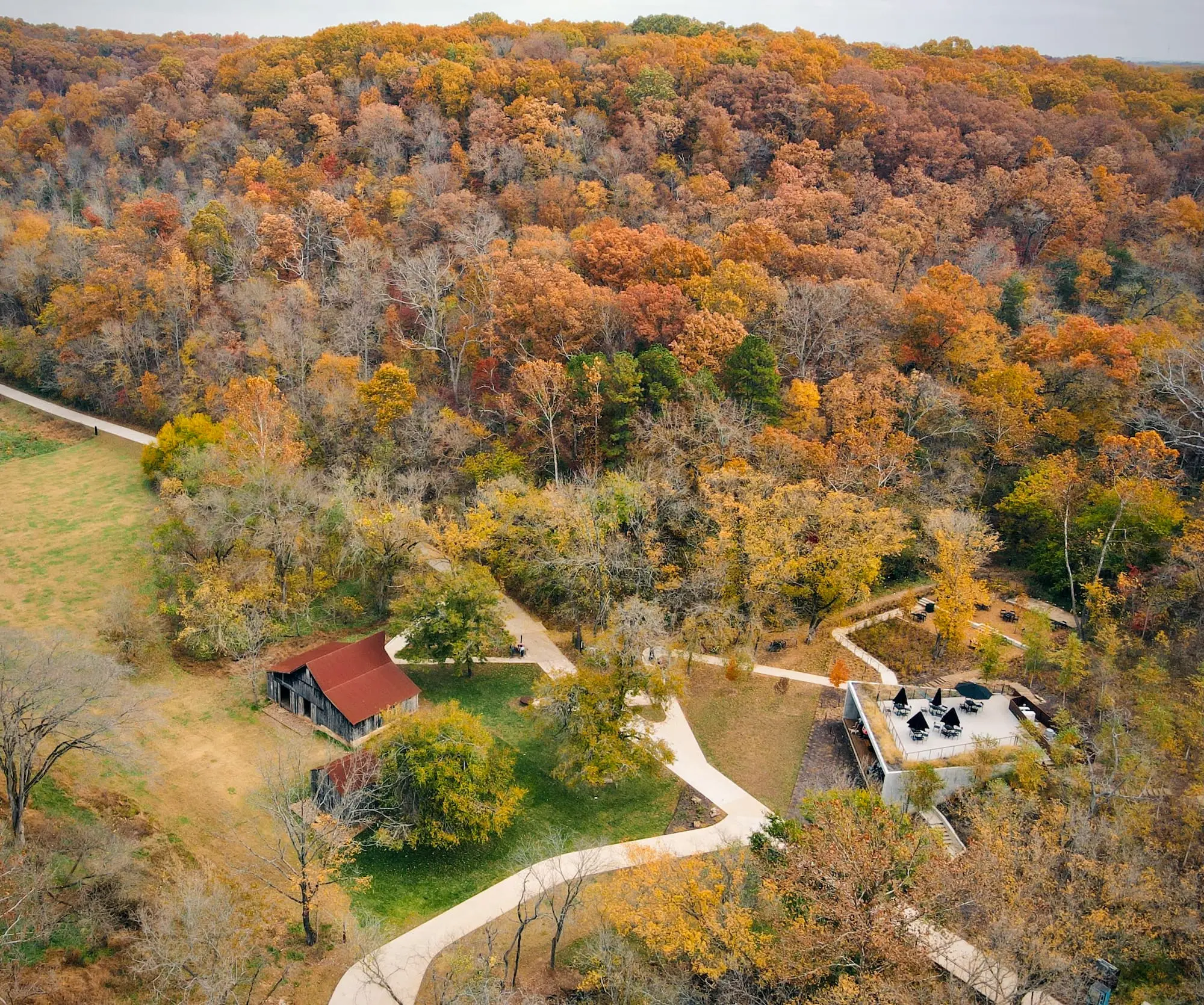
Ozark Landscape: Mountaintop to Valley

At Coler, you’re standing in a classic Ozark landscape shaped by time, water, and uplifted stone. The Ozarks began as a vast plateau, slowly carved by streams and rivers into the distinct mountains and valleys we see today. Along the mountaintops, the geology reveals horizontal rock layers formed millions of years ago—when this land lay beneath the Gulf of Mexico. Fossils still surface here, hinting at that ancient sea floor. These ridgelines mark the rim of the Coler Creek watershed, where rainwater quickly drains downhill, carrying earth, leaves, and debris into the valley below. Over time, topsoil washed away, leaving behind thin, rocky soils where only the hardiest plants—oak, hickory, cedar, dogwood, and short-leaf pine—can take root. In contrast, the valley is lush and fertile, nourished by water and rich floodplain soil. Here, you’ll find dense vegetation, vibrant wildflowers, and streamside trees like sycamore, Ohio buckeye, willow, and bodark. The mountain and the valley are close in distance, but worlds apart in ecology.

Contact Us

Contact us to learn more about visiting Coler Mountain Bike Preserve.

Learn More