

Fern Fever: Victorian Fern Care Tips That Work
Welcome to the Age of Fern Fever
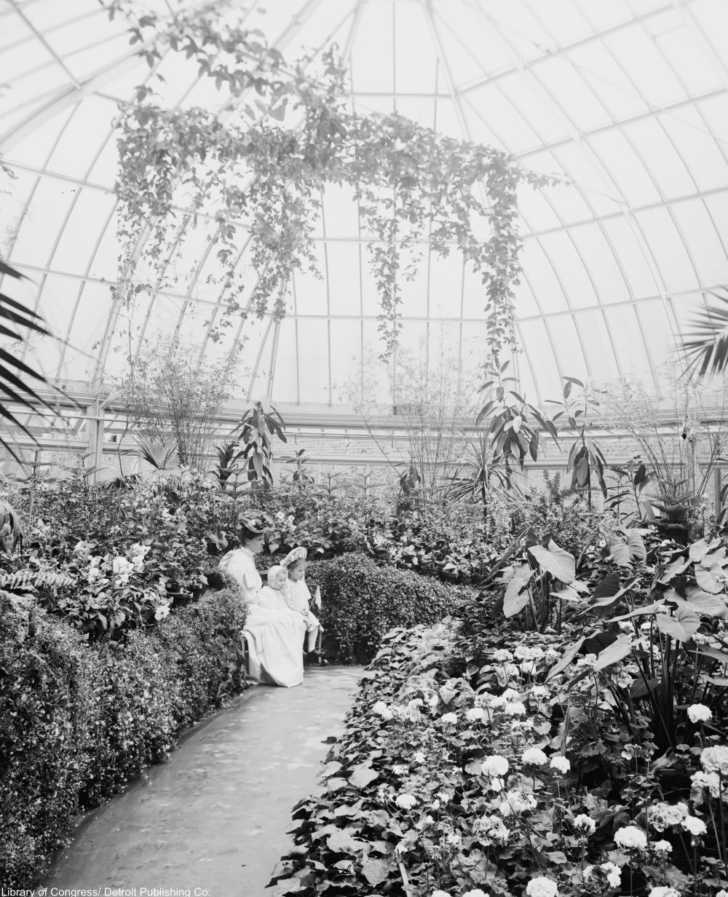
There’s something magical about ferns. They’re lush, elegant, and timeless. But did you know that long before they filled modern plant shops and Pinterest boards, ferns were at the heart of a full-blown craze? In the 1800s, the Victorians were absolutely obsessed with them. They called it Fern Fever.
This fern frenzy wasn’t just about decorating a windowsill. Ferns represented sophistication, a love of nature, and an appreciation for the finer things. Today, that spirit is alive again. More people are rediscovering these classic plants, and learning how to care for them the right way.
What Was Fern Fever?
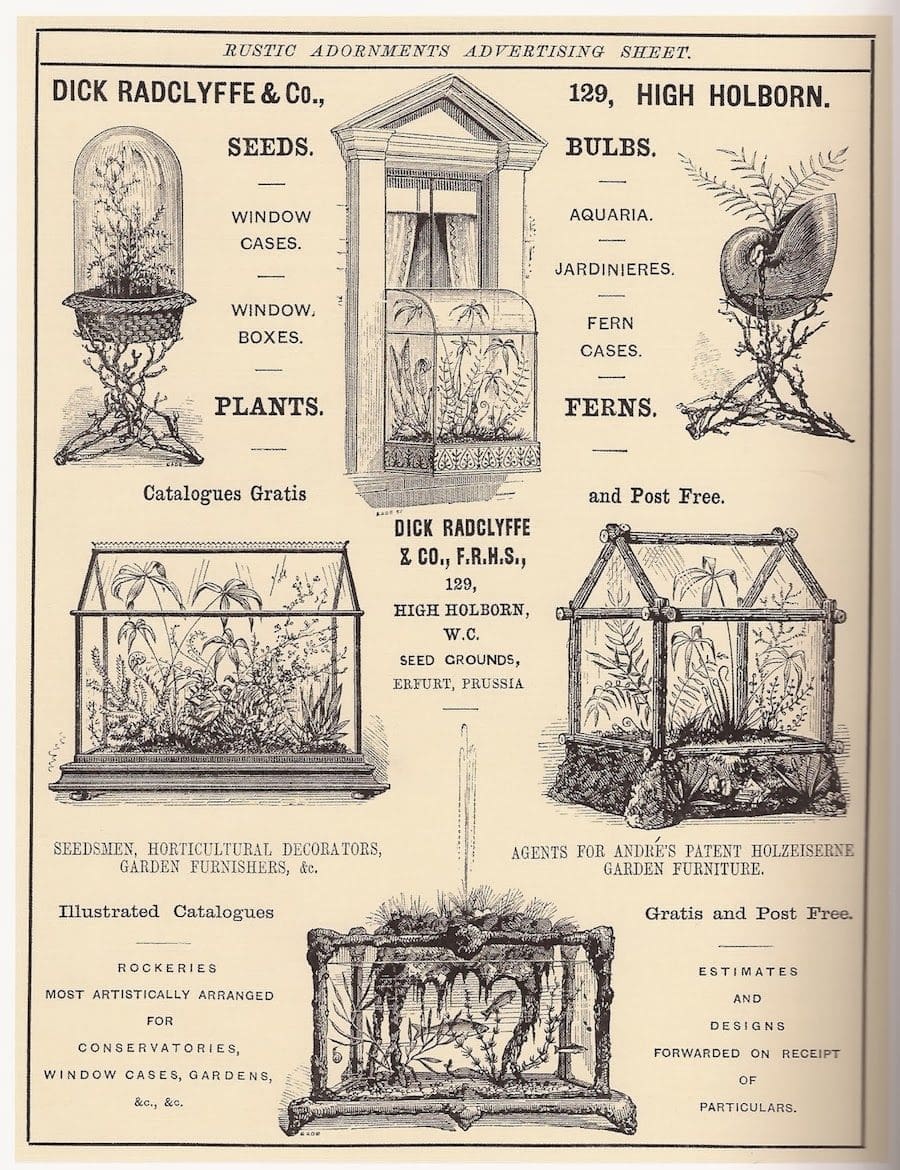
Fern Fever, also called Pteridomania, was a real thing. Coined in 1855 by writer Charles Kingsley, the term described how obsessed the Victorians had become with ferns. People collected them from the wild, displayed them in their homes, pressed them into books, and even wore fern patterns on their clothes.
Ferns weren’t just a trend. They were a statement. If you had them in your home, it meant you were cultured, connected to nature, and in touch with the latest botanical knowledge. Wardian cases, which were like early glass terrariums, became wildly popular. They let people grow ferns indoors even in the smoky, coal-heated homes of the era.
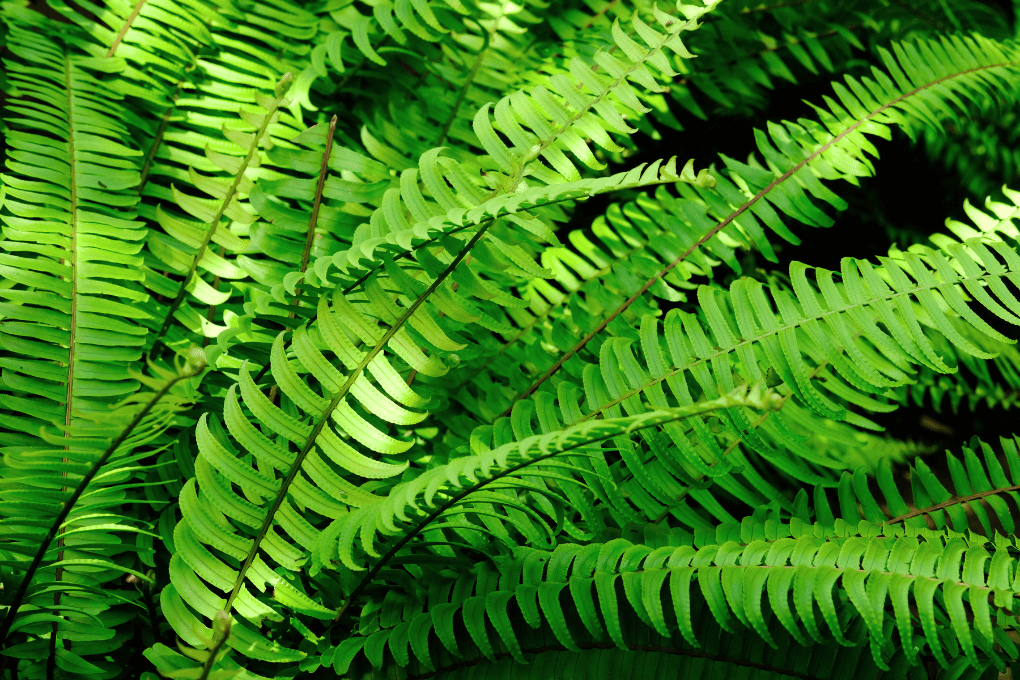
1. Boston Fern
- Light: Bright but indirect
- Water: Keep the soil moist, not soggy
- Humidity: High humidity keeps the fronds lush
- Why it works: Classic, dependable, and perfect for hanging baskets
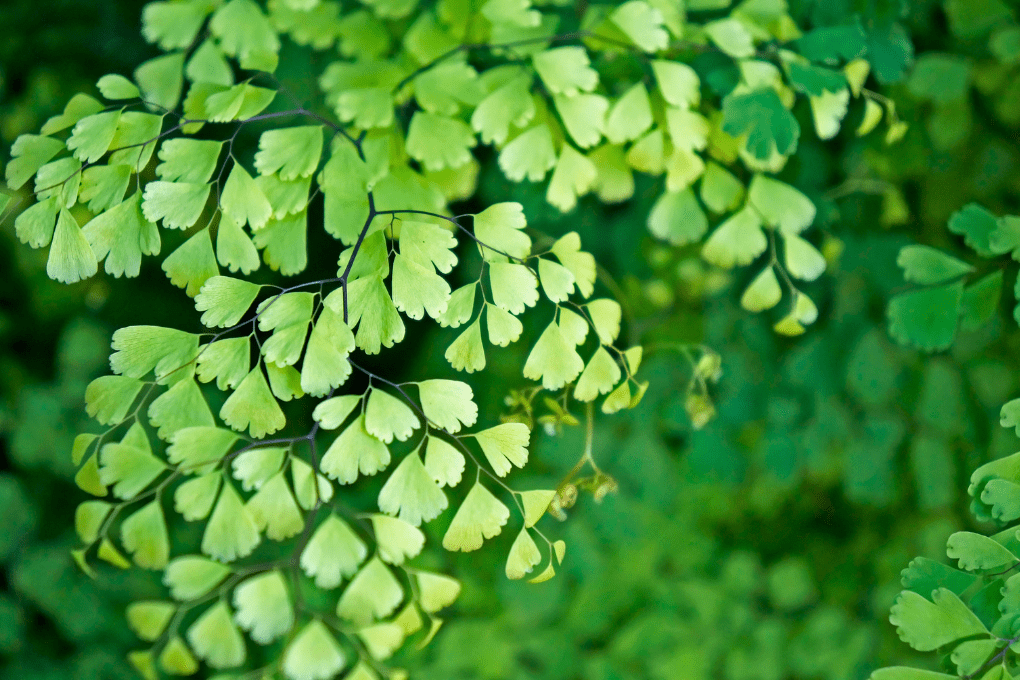
2. Maidenhair Fern
- Light: Soft, filtered light
- Water: Likes consistently damp soil
- Humidity: Needs a lot of moisture in the air
- Why it works: Delicate and romantic, ideal for terrariums or glass domes
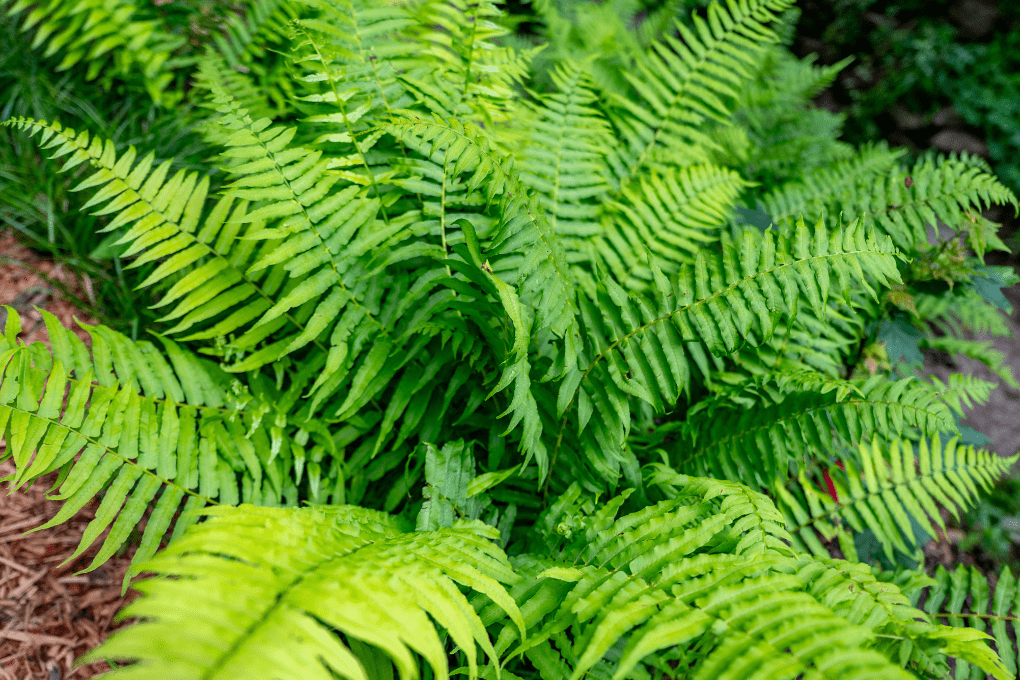
Lady Fern
-
Light: Prefers dappled or filtered light
-
Water: Keep soil evenly moist
-
Humidity: Appreciates higher humidity but tolerates average levels
-
Why it works: Graceful, finely textured fronds that thrive in shady corners or pots on shaded patios
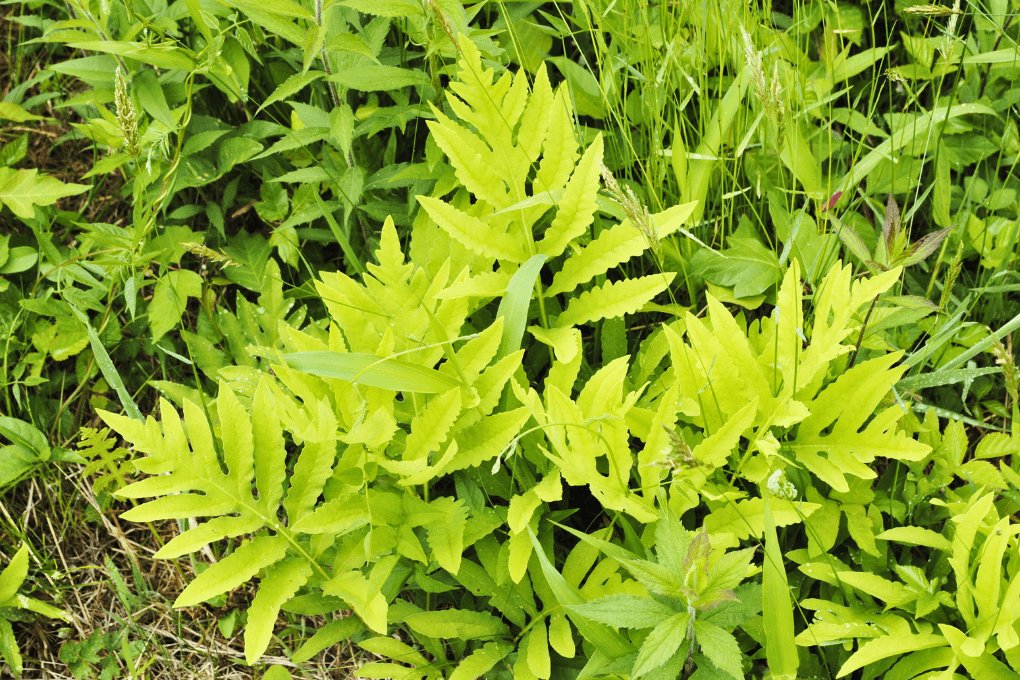
Sensitive Fern
-
Light: Light to medium shade
-
Water: Loves moisture and doesn’t tolerate dry soil
-
Humidity: Naturally thrives in humid conditions
-
Why it works: Soft, airy texture with a unique look, but best for experienced plant lovers or damp garden beds
Simple Fern Care Tips That Actually Work
Caring for ferns doesn’t have to be hard. With a few thoughtful adjustments, you can recreate the cozy, green-filled feel of a Victorian parlor in your own home.
Keep Things Humid
Ferns love moisture in the air. The Victorians solved this with Wardian cases, but you can:
-
Group your plants together
-
Use a pebble tray under the pot
-
Mist your ferns a few times a week
-
Place them in rooms with higher humidity, like bathrooms
Light, But Not Too Much
Ferns don’t want to bake in direct sun. Filtered or soft light works best. A sheer curtain is great, and north or east-facing windows usually do the trick.
Water Consistently
Check your fern’s soil often. If the top inch feels dry, it’s time to water. Avoid letting the soil dry out completely, but don’t drown it either. Ferns prefer gentle care.
Use Good Soil
Choose soil that drains well but holds some moisture. You can mix in peat moss or perlite for better texture. Always make sure your pot has drainage holes.
Mind the Temperature
Keep your ferns in rooms between 65 and 75 degrees Fahrenheit. Avoid cold drafts or direct blasts from heaters and air conditioners.
Feed Lightly
Ferns don’t need a lot of fertilizer. Use a diluted liquid feed every 4 to 6 weeks during spring and summer. Skip feeding in winter.
Real-Life Success: Simple Changes That Save Ferns
One of the easiest fern-saving hacks? Boost humidity and adjust light. For example, placing a Boston fern in a bathroom with a pebble tray and east-facing window revived its once crispy fronds in just weeks.
Small tweaks, big results… just like the Victorians discovered over 150 years ago.
FAQs: Fast Answers for Fern Lovers
What is Fern Fever?
A Victorian-era craze where people became obsessed with collecting and decorating their homes with ferns.
Which fern is easiest to grow indoors?
The Boston Fern is a great choice for beginners. It’s hardy, forgiving, and looks amazing in baskets.
How do I boost humidity for ferns?
Use a pebble tray, mist the leaves regularly, or keep your plants in naturally humid rooms like the bathroom.
Do I need a terrarium for my fern?
Not necessarily, but smaller or sensitive ferns like Maidenhair do very well in enclosed glass containers.