

Winterizing Your Archery Equipment: The Ultimate Cold-Weather Guide
As temperatures drop and winter approaches, it’s time to shift focus from just hitting your target to also protecting the gear that gets you there. Cold weather, moisture, and temperature fluctuations can take a serious toll on bows, strings, arrows, and accessories.
This ultimate guide will help you winterize your archery equipment so you can shoot safely, confidently, and consistently through the colder months.
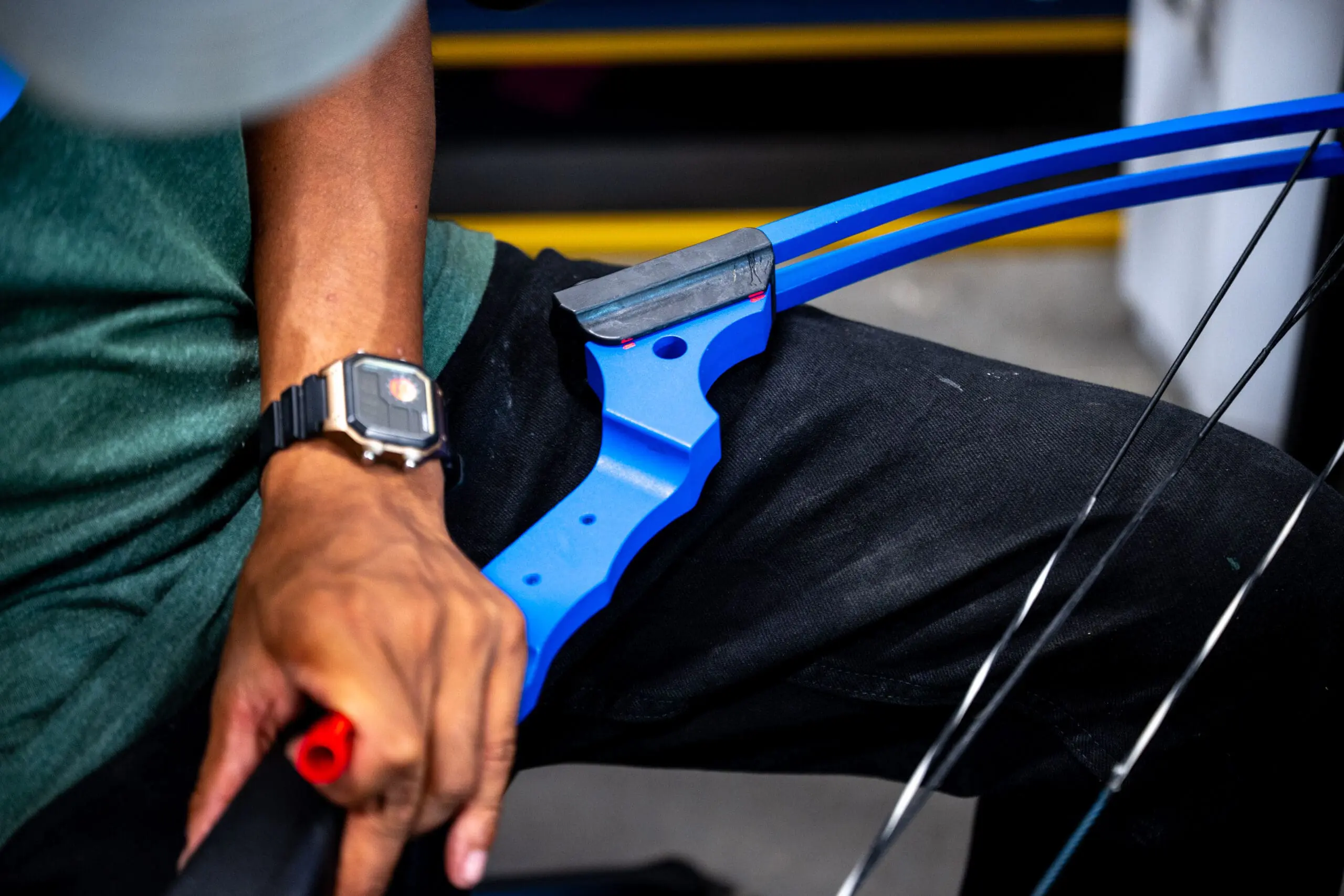
1. Pre‑Shooting Inspection: Start Every Session Right
Cold weather increases the risk of wear and damage, so always inspect your equipment before heading out to shoot.
Inspect the Bow Limbs
Be sure your bow limbs aren’t delaminating or cracked. Try running a cotton ball along them—if it snags, you may be dealing with hidden damage. Also, check for limb twists, especially on recurves. Jake Kaminski’s video is a great resource for identifying and repairing twists.
Check Moving Parts and Accessories
Cams, wheels, slides, and arrow rests should move smoothly. Check for any missing parts or signs of obstruction. Cold can make these parts stiffer, so look closely.
Inspect Your Arrows
Use the cotton ball method on your arrows, too. Make sure all components are secure—especially the arrow points, which should be checked before and between shots.
Watch for Brittle Materials
Cold weather can make glue, rubber tubing, strings, and sight components brittle. Inspect these materials before every practice session, as they’re prone to cracking or loosening.

2. Warm‑Up Your Bow for Cold Weather Shooting
Just like your muscles, your bow performs better after a warm‑up—especially in the cold.
Recurves & Longbows
Cold can make limbs stiffer. When stringing your bow, take the bend gradually and in increments. Merlin Archery has an excellent visual guide on safe stringing techniques in cold weather.
Compound Bows
Start with a few experimental draws (never dry‑fire!) to get your limbs and cams moving fluidly. This prevents stress fractures from sudden full‑power shots.

3. Rain, Snow & Moisture Protection
Winter doesn’t just bring cold—it also brings damp conditions. Here’s how to keep your gear moisture‑resistant and reliable.
String Wax & Moisture Control
Moisture in the air demands more attention to string care. Wax your string regularly but don’t overdo it, and never wax the servings. Humphries Archery has a helpful video to get the balance right.
Dry Your Bow Thoroughly
After every session, air dry your bow completely (never use heat) before placing it back in its case. This avoids rust, mildew, and rot.
Care for Wooden Bows
Wooden or natural-material bows need a layer of oil or wax to maintain water resistance. Clay Hays provides a full guide for natural bow care.
Arrow Fletching in the Wet
Plastic vanes handle rain well, but feather fletchings can absorb moisture, adding weight and reducing stability. Consider switching to vanes or refletching as needed—Easton Archery has a great video on how to do it.
Protect Leather Gear
Leather quivers and other tackle gear can mold if not properly maintained. Seal and wax them before use, and protect with a plastic bag during transport. Let everything air dry indoors after wet sessions.
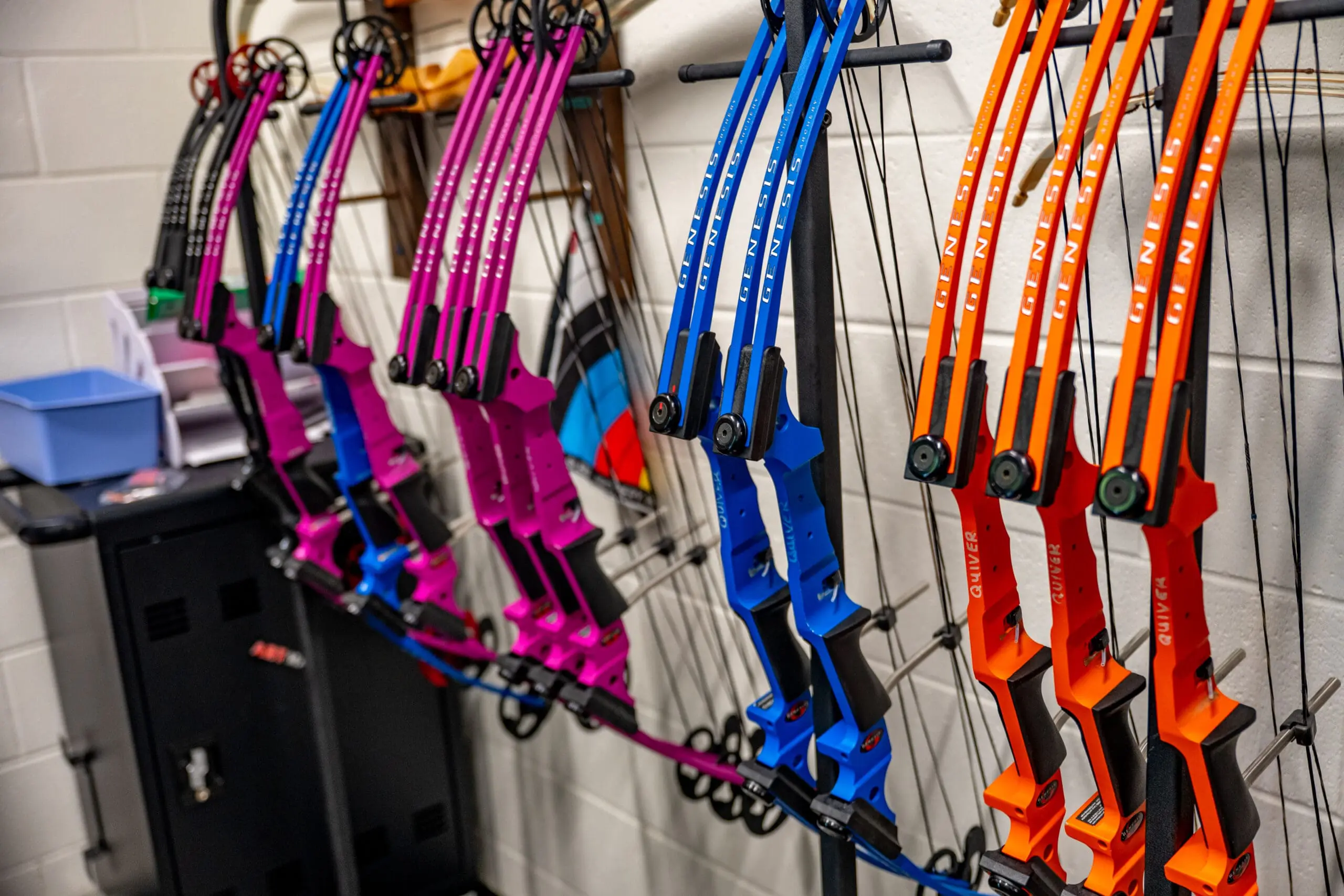
4. Winter Storage Best Practices
When not in use, how and where you store your gear matters more than ever.
Temperature & Location
Avoid storing your bow in freezing temperatures. A garage or shed may be fine if dry, but bring your bow indoors during a hard freeze.
Dry Before Storage
Never store a wet bow. Moisture combined with cold can cause rust, warping, or material failure.
Storage Settings for Different Bow Types
-
Compound Bows: If storing long-term, consider backing off the limb bolts slightly to relieve tension.
-
Recurves/Longbows: Remove the string during extended breaks to avoid stress on the limbs.
Arrow Storage
Store arrows in a dry area where they won’t warp or bend. Avoid overstacking and keep them protected in a quiver or hard case. Remember: adhesives may weaken in low temps.
Conclusion
Don’t let winter slow your shot. With these practical, easy-to-follow steps, you’ll protect your investment, maintain your accuracy, and extend the life of your equipment. Whether you’re a casual shooter or a competitive archer, winterizing your gear is a seasonal essential.
Take care of your equipment now, and it will take care of you when it counts.