

Victorian Hair Receiver: A Beauty Tool From the Past
INTRO
Ever wonder what women did with all the hair left behind in brushes in the 1800s?
At the Peel Museum, we’re highlighting a surprising object from our collection—a beautifully crafted Victorian hair receiver, made in Japan and used by women like Mary Emaline Peel and her daughters.
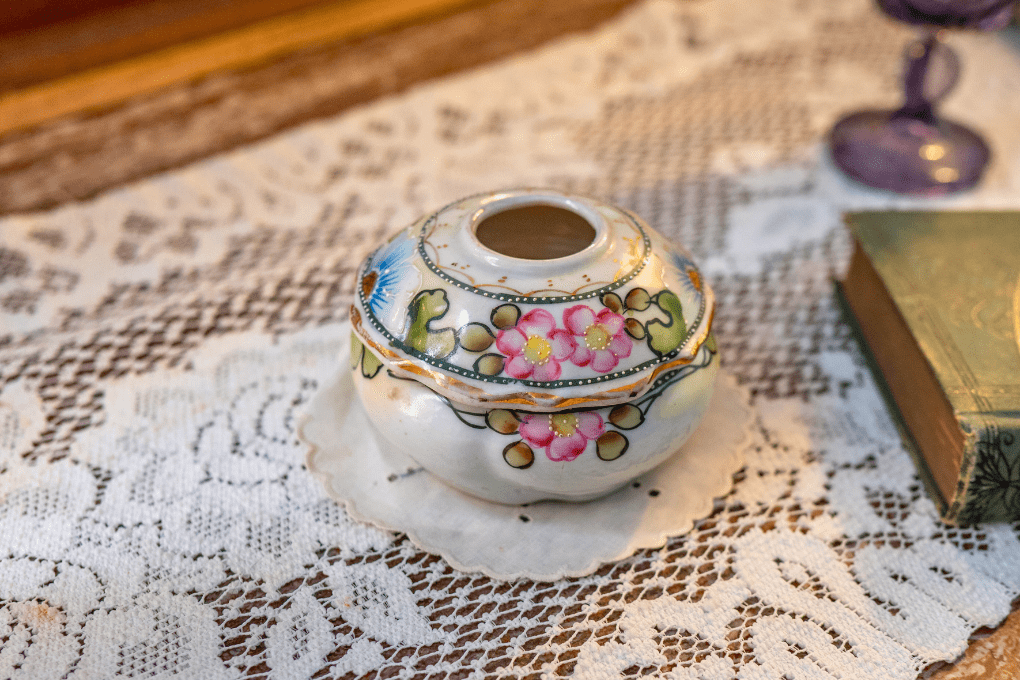
Late 1800s Japanese porcelain hair receiver, part of the Peel Museum collection.
What is a hair receiver?
In the Victorian era, hair receivers were a common sight on a lady’s dressing table. These small containers featured a hole in the lid to collect hair from brushes and combs.
According to Godey’s Lady’s Book, a leading women’s magazine at the time, they were a standard item in every refined home.
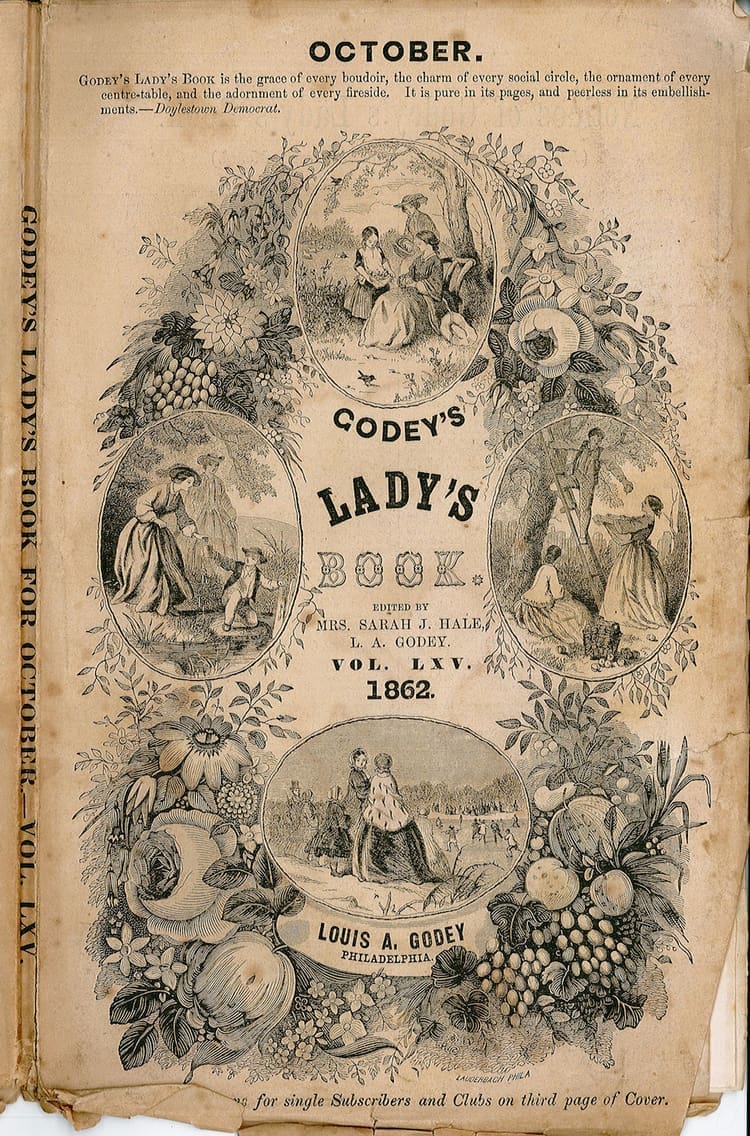
Cover of Godey’s Lady’s Book from 1862.
What was the hair used for?
Collected hair was reused in several ways:
- To create “rats”—padding for voluminous hairstyles
- For sewing projects like pincushions
- As sentimental keepsakes
With multiple girls in the Peel family, it’s likely hair receivers were used often for both fashion and craft.
About the piece in our collection
The hair receiver in our collection is:
- Made in Japan, late 19th–early 20th century
- Porcelain, with floral details
- Marked “Made in Japan,” a requirement under the McKinley Tariff Act of 1890
See it at the Peel Museum
Want to see this unique object up close? Join us for a free tour of the Peel Museum to explore the lives, fashion, and stories of a 19th-century family—hair receiver and all.