

Paw Paw: Arkansas’s Forgotten Fruit Tree
Hidden in the understory of Arkansas forests grows a treasure that most people walk right past—the paw paw tree.
This native fruit tree, once a staple food for Indigenous peoples and early settlers, is making a remarkable comeback in home gardens across Northwest Arkansas. If you’ve never tasted a paw paw or considered adding this unique tree to your landscape, you’re missing out on one of our region’s most fascinating native plants.
What is a Paw Paw?
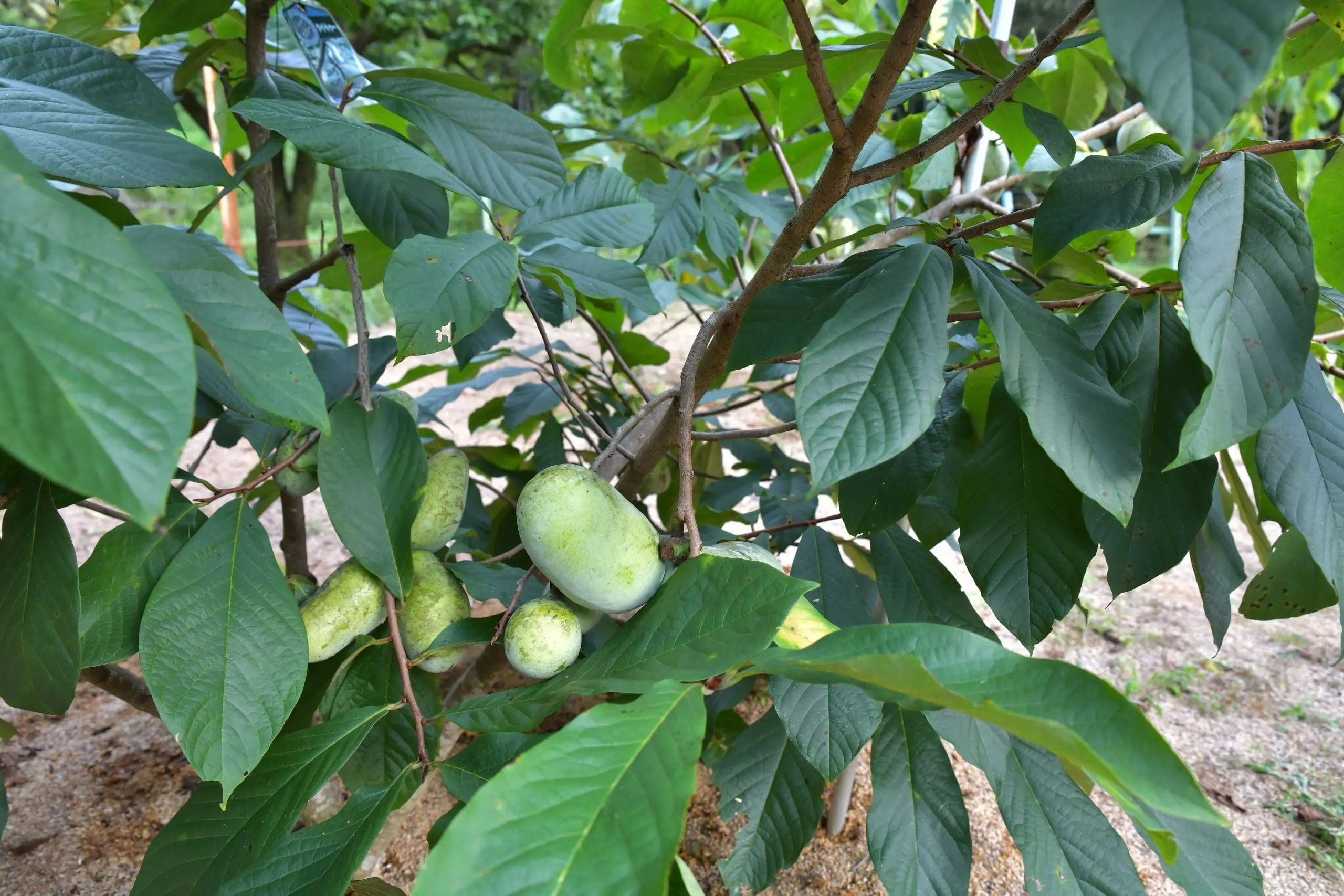
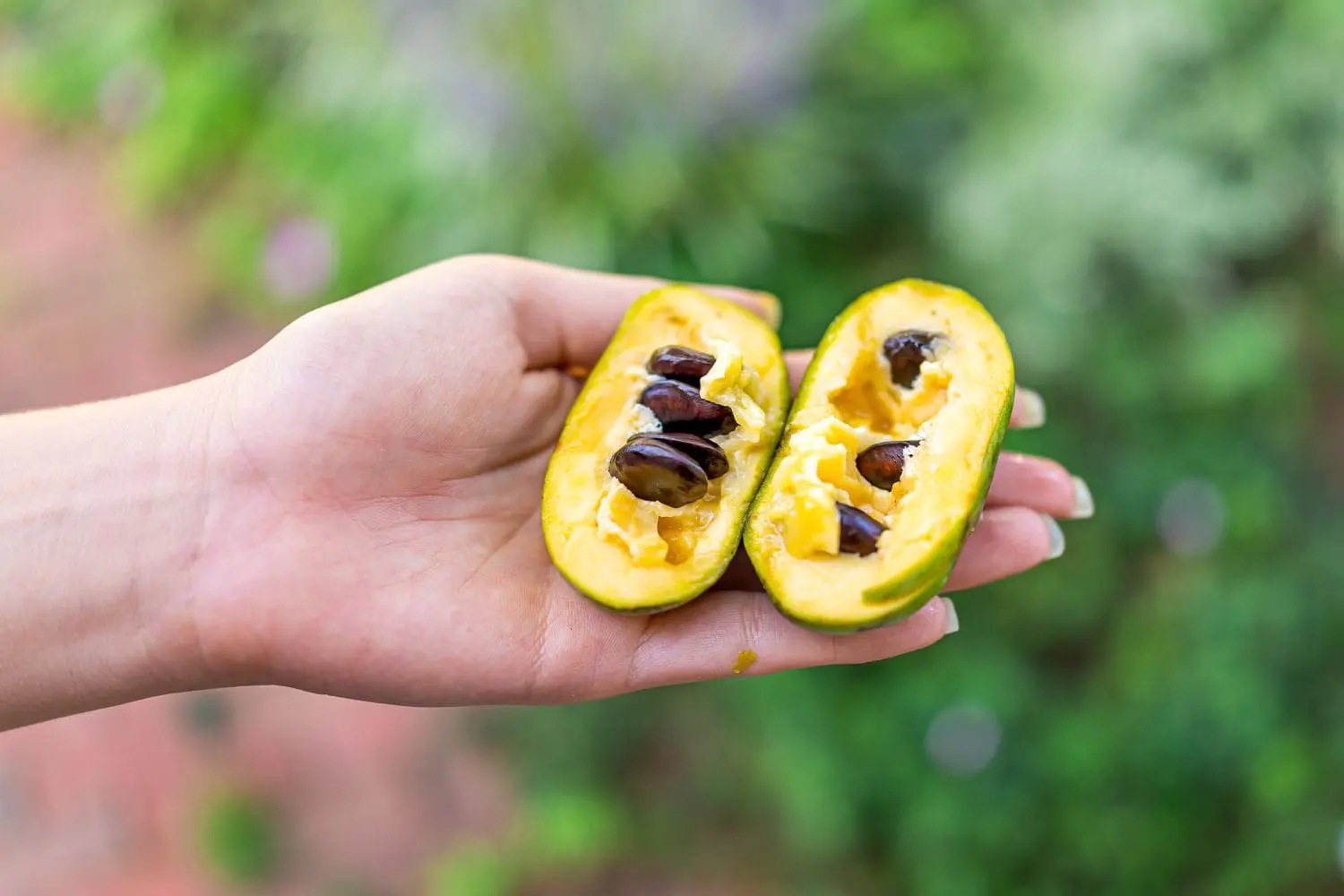
The paw paw (Asimina triloba) is North America’s largest native fruit tree, and Arkansas sits right in the heart of its natural range. Despite being native to our area, many Arkansans have never encountered this custard-like fruit that tastes like a cross between a banana and a mango with hints of vanilla.
These distinctive trees can reach 15-20 feet tall and prefer the dappled shade beneath larger trees, making them perfect for naturalized areas or as an understory planting. Their large, tropical-looking leaves turn a beautiful golden yellow in fall, adding seasonal interest to your landscape.
Why Paw Paws Deserve a Place in Your Arkansas Garden
NATIVE ADAPTABILITY
As an Arkansas native, paw paws are perfectly adapted to our climate, from our hot, humid summers to our variable winters. They require minimal care once established and are naturally resistant to local pests and diseases.
WILDLIFE VALUE
Paw paw trees are the sole host plant for the zebra swallowtail butterfly, one of Arkansas’s most beautiful native butterflies. The flowers also attract flies and beetles for pollination, while the fruit feeds raccoons, opossums, and other wildlife.
LOW MAINTENANCE
Once established, paw paws are remarkably low-maintenance. They prefer rich, moist soil but can tolerate drought conditions. They rarely need pruning and have no significant pest problems.
Growing Paw Paws in Northwest Arkansas
SITE SELECTION
Paw paws prefer partial shade to full sun, especially when young. In Arkansas’s intense summer heat, some afternoon shade is beneficial. They thrive in rich, well-draining soil with consistent moisture.
PLANTING TIPS
Plant paw paws in fall for best establishment. Young trees benefit from protection from strong winds and intense afternoon sun. Space trees 8-10 feet apart if planting multiple specimens.
POLLINATION
For fruit production, you’ll need at least two different paw paw trees for cross-pollination. The trees are not self-fertile, so plan for multiple plantings if fruit is your goal.
PATIENCE PAYS OFF
Paw paws grown from seed can take 4-8 years to fruit, but grafted varieties or larger transplants will produce sooner. The wait is worth it for this unique Arkansas delicacy.
Paw Paws in Arkansas History
Long before European settlement, Indigenous peoples throughout Arkansas valued paw paws as an important food source. Early explorers and settlers also relied on these nutritious fruits during late summer travels. The Lewis and Clark expedition famously survived on paw paws when other food ran low.
Today, paw paws are experiencing a renaissance among gardeners interested in native plants, permaculture, and unique edibles. Food enthusiasts are rediscovering this “Arkansas banana” and incorporating it into everything from ice cream to craft beer.
Adding Paw Paws to Your Landscape
Whether you’re interested in creating wildlife habitat, growing unique edibles, or simply adding a conversation-starter to your garden, paw paws offer something special. These trees work beautifully in:
- Native plant gardens
- Woodland landscapes
- Permaculture food forests
- Wildlife habitat areas
- Naturalized spaces
The tropical appearance of paw paw leaves creates an exotic feel while supporting local ecosystems—a perfect combination for Arkansas gardeners who want something different.