

Holly in Winter: A Botanical & Ecological Favorite at Compton Gardens
Holly in Winter: A Botanical & Ecological Favorite at Compton Gardens
Winter has a way of softening the landscape — the flowers fade, the leaves fall, and the garden settles into its quiet season. But one plant refuses to fade into the background: holly. Its glossy evergreen leaves and bright red berries feel instantly seasonal, but holly is more than holiday décor. It’s a native species that supports wildlife, provides winter shelter, and adds beautiful structure to the understory.
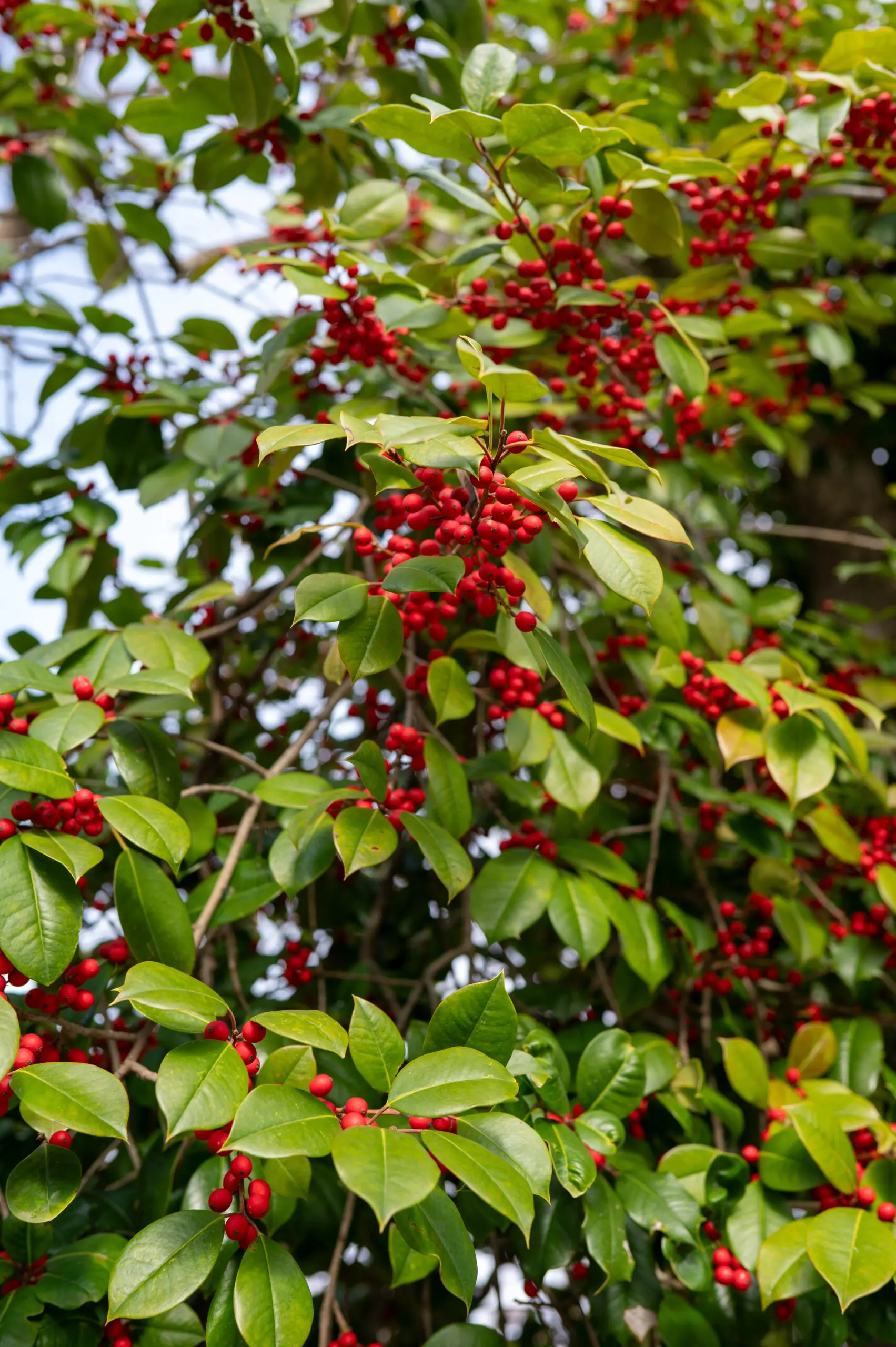
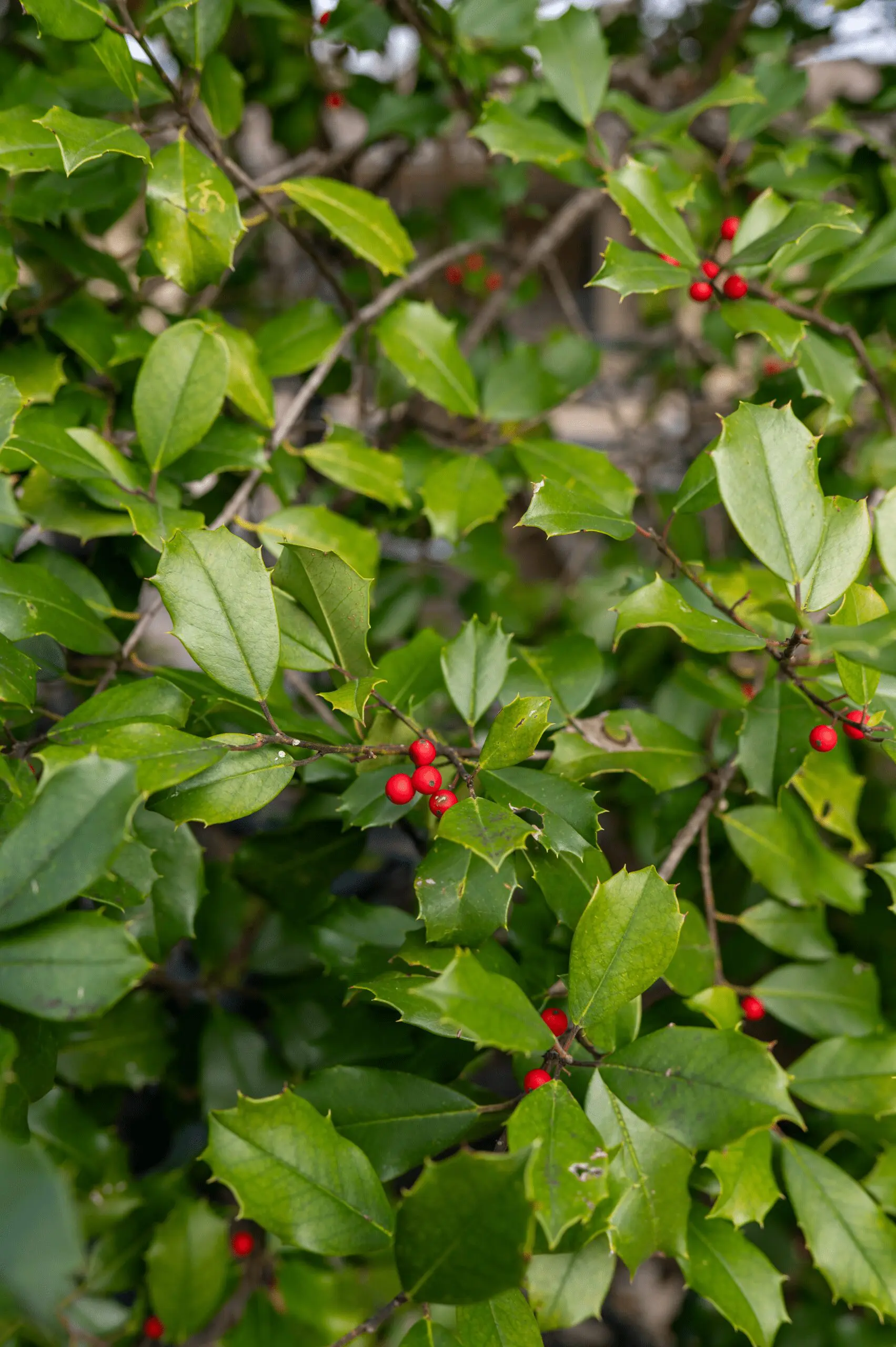
This year at Compton Gardens, our hollies are especially eye-catching. You may notice something interesting as you walk the paths: some have the classic spiny leaves you expect, while others have smooth, almost spineless leaves.
And here’s the fun part — they’re both American holly.
Yes, really.
American Holly: A species with surprising variety
American holly is native to Arkansas and a beloved evergreen throughout the Southeast. What many people don’t realize is how variable this species can be. Depending on the cultivar, growing conditions, or natural variation within the plant, American holly leaves can look dramatically different.
At Compton Gardens right now, you’ll see:
-
Classic spiny forms with sharp, pronounced leaf points
-
Smooth-leaf or low-spine forms with gentle curves and only a hint of serration
Both are Ilex opaca.
Both are thriving in our winter landscape.
And both are covered in clusters of red berries that persist well into the colder months.
Ecological benefits:
-
Evergreen canopy provides shelter for birds and small mammals
-
Winter berries feed species like robins, cedar waxwings, and mockingbirds
-
Spring blooms offer nectar for native pollinators
American holly is one of the region’s most ecologically valuable ornamentals — beautiful in every season, but especially appreciated in winter.
Holiday & Garden Connections
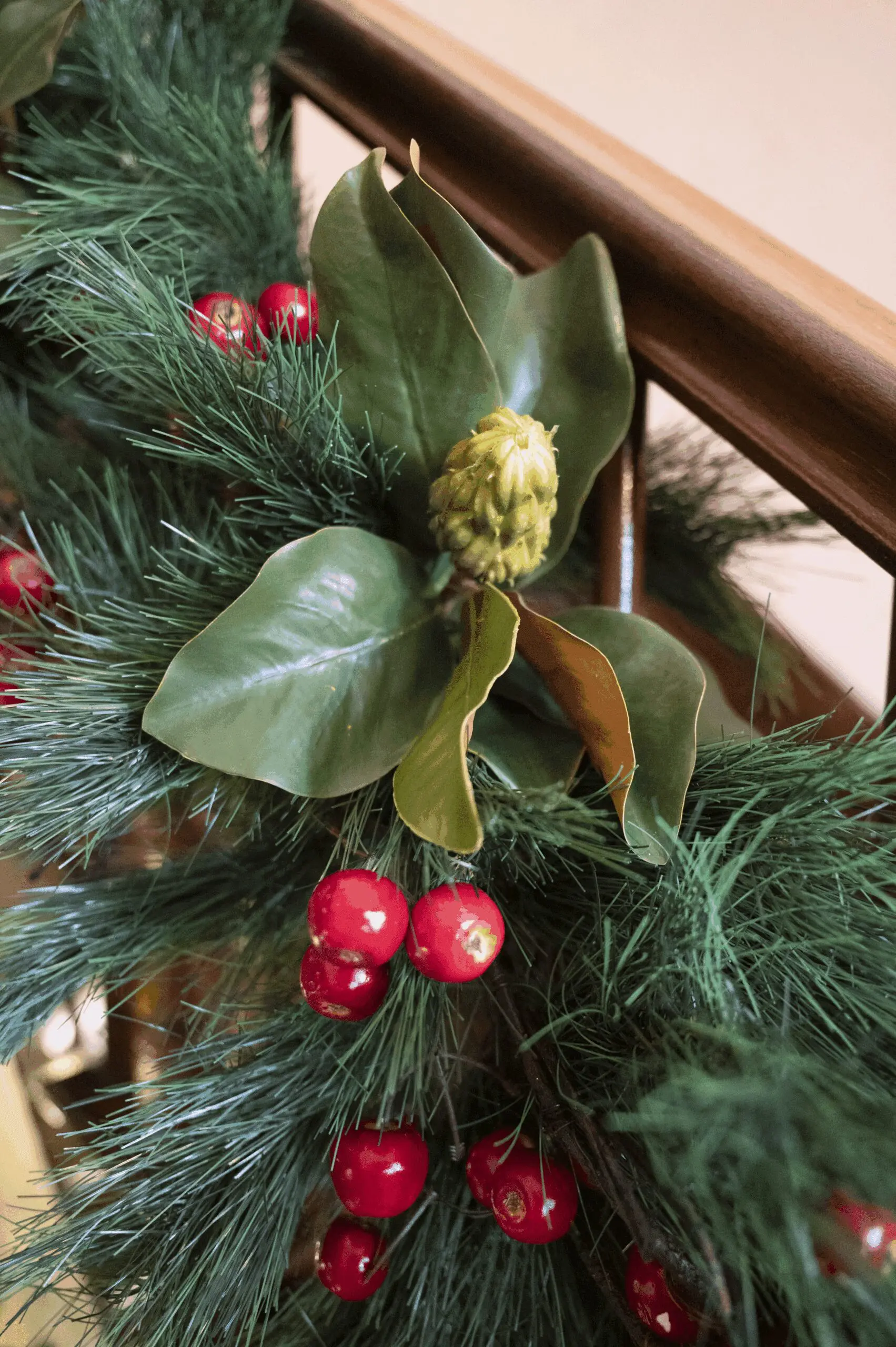
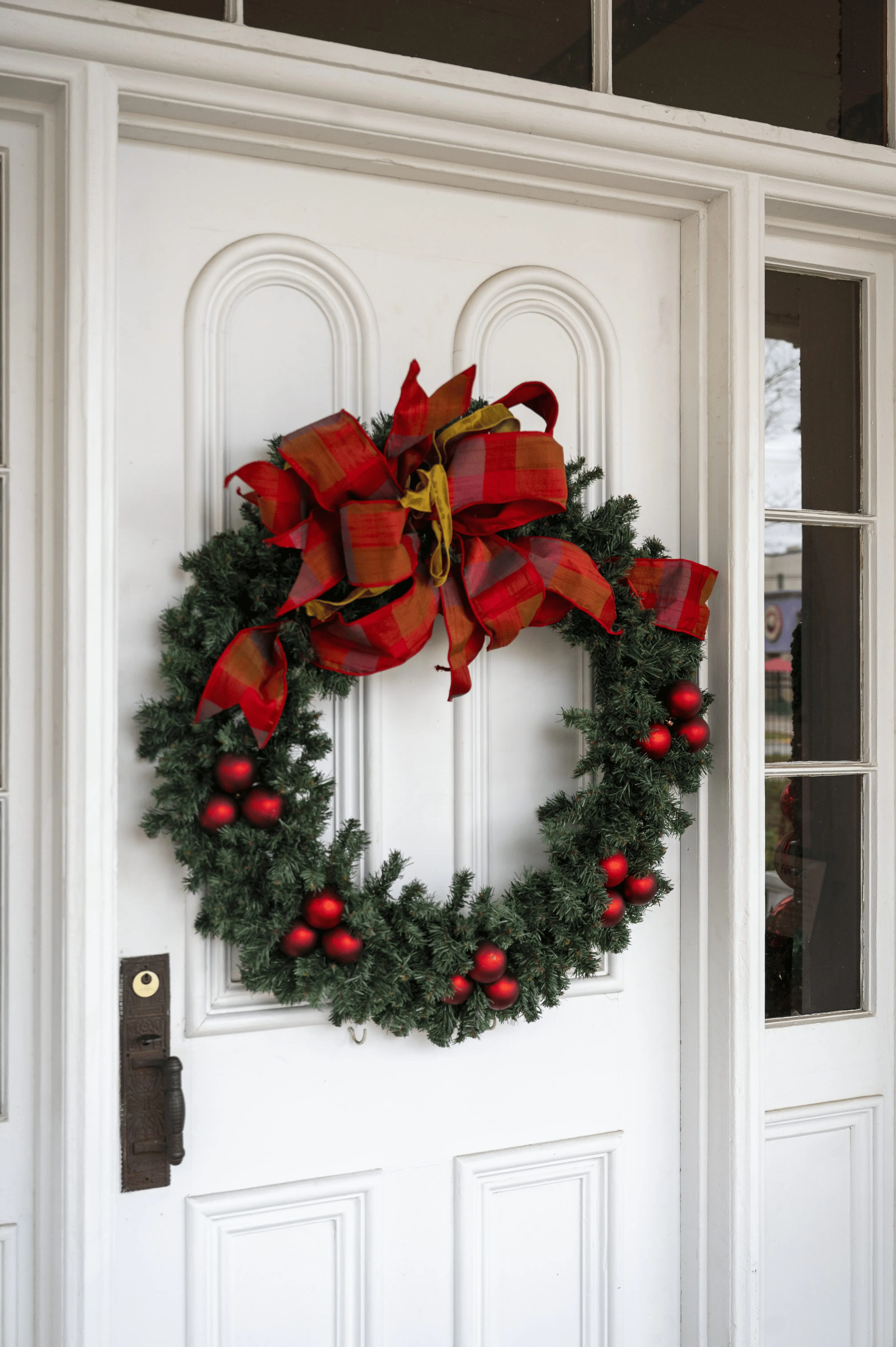
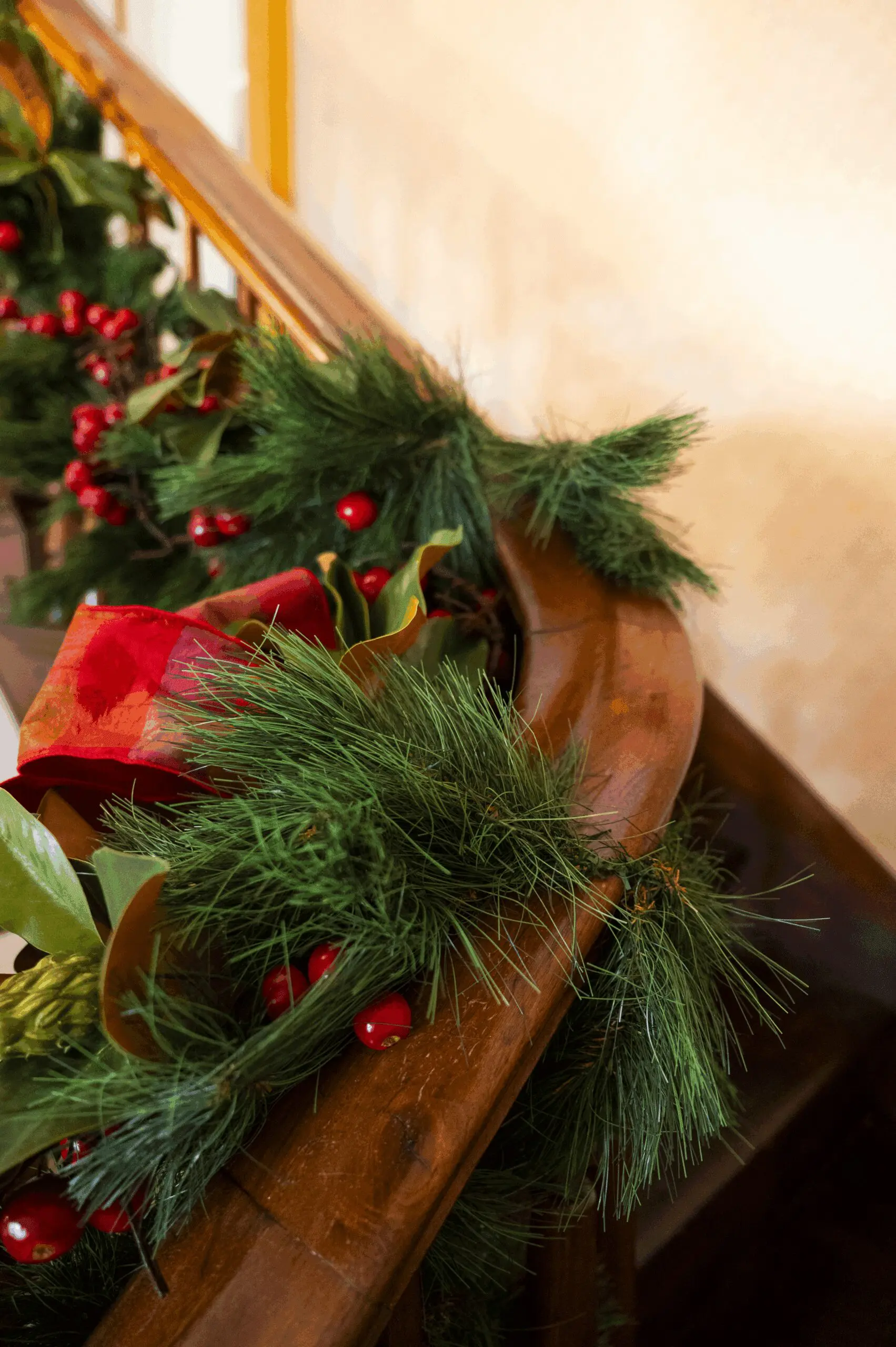
Holly has long been tied to winter traditions — used in wreaths, garlands, and decorations as a symbol of protection, life, and resilience during the darkest time of the year.
In Compton Gardens, holly carries that same spirit today. As you walk the trails, take a moment to notice:
-
The bright red berries glowing against the quiet landscape
-
The contrast between smooth and spiny leaves — all within one species
-
The birds flocking to the berries for winter nourishment
These observations offer a simple way to reconnect with nature and appreciate the quiet beauty of the season.
Tips for Using Holly at Home
If the hollies at Compton inspire your winter gardening:
-
Choose American holly for evergreen structure and native wildlife value
-
Remember that leaf shape varies — both spiny and smooth forms belong to the same species
-
Plant in a site with partial shade and well-drained soil
-
Leave berries on the plant to support hungry winter birds
Holly reminds us that even in dormancy, the natural world is full of color, texture, and life.