
Vegetable Garden
Self-Guided Garden Tour
English
Audio Script
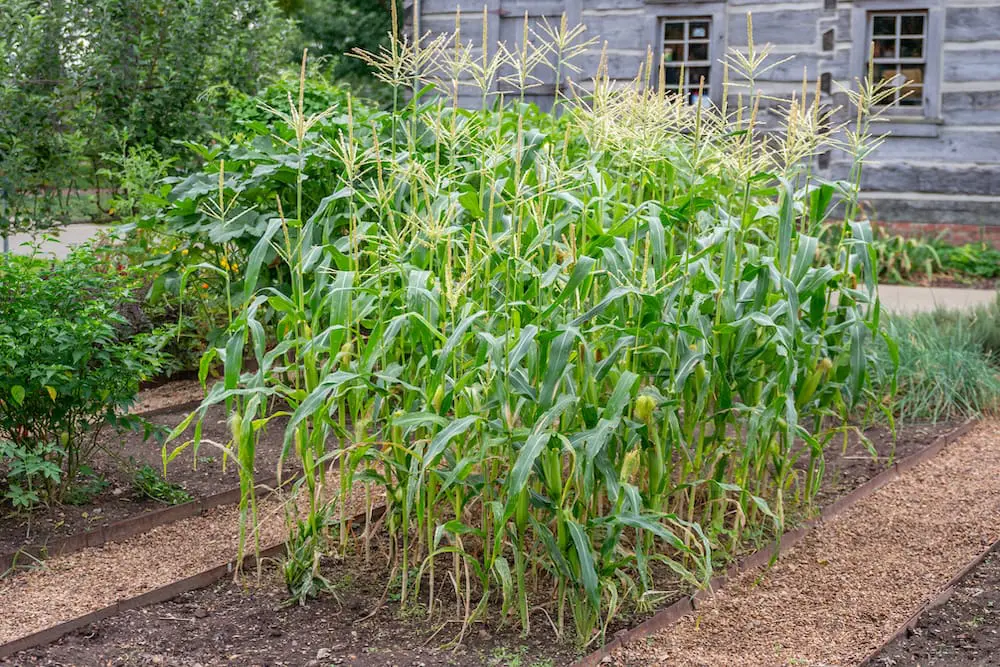
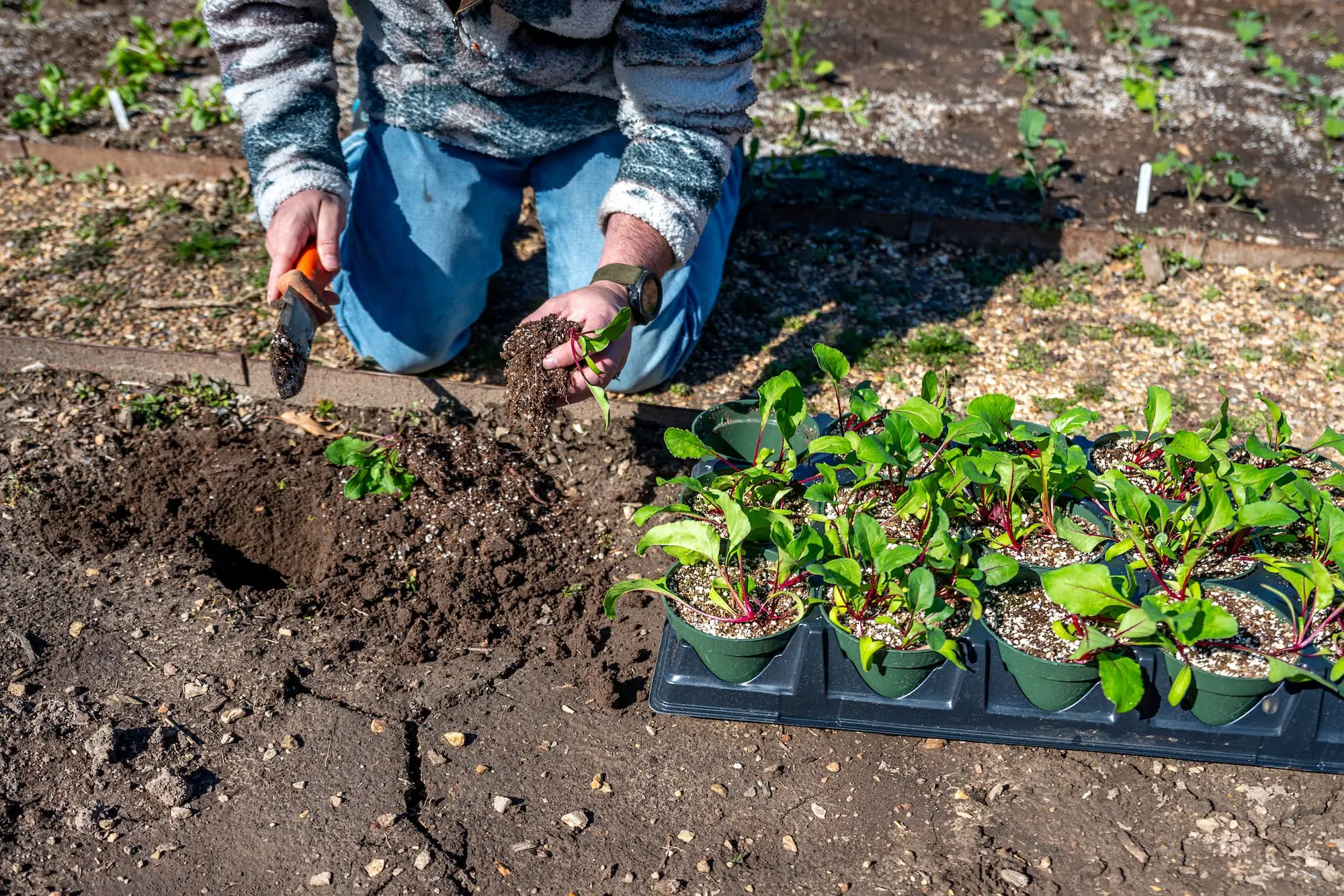
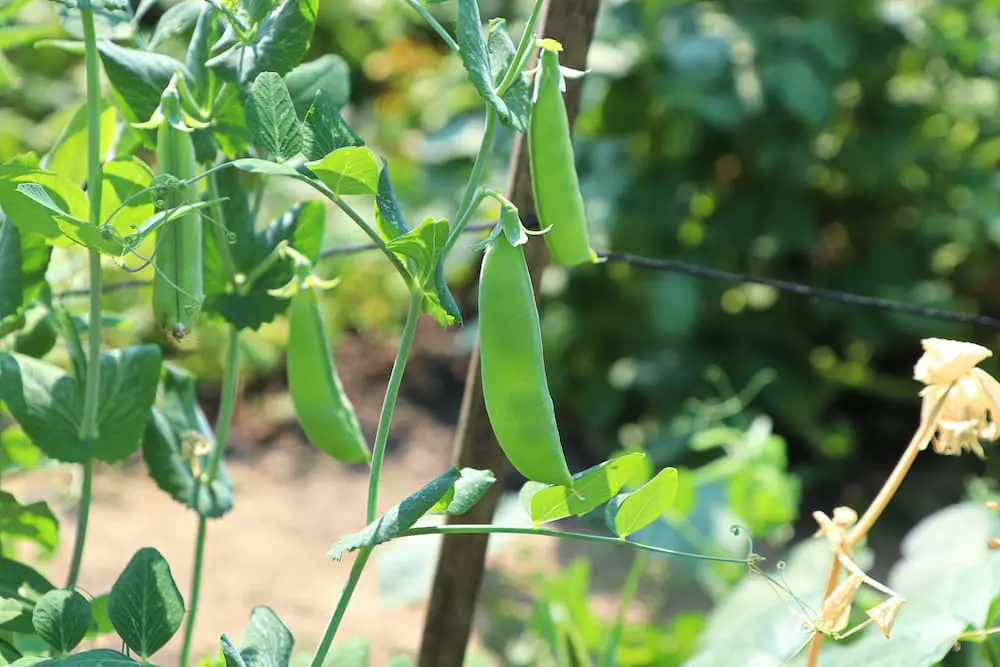
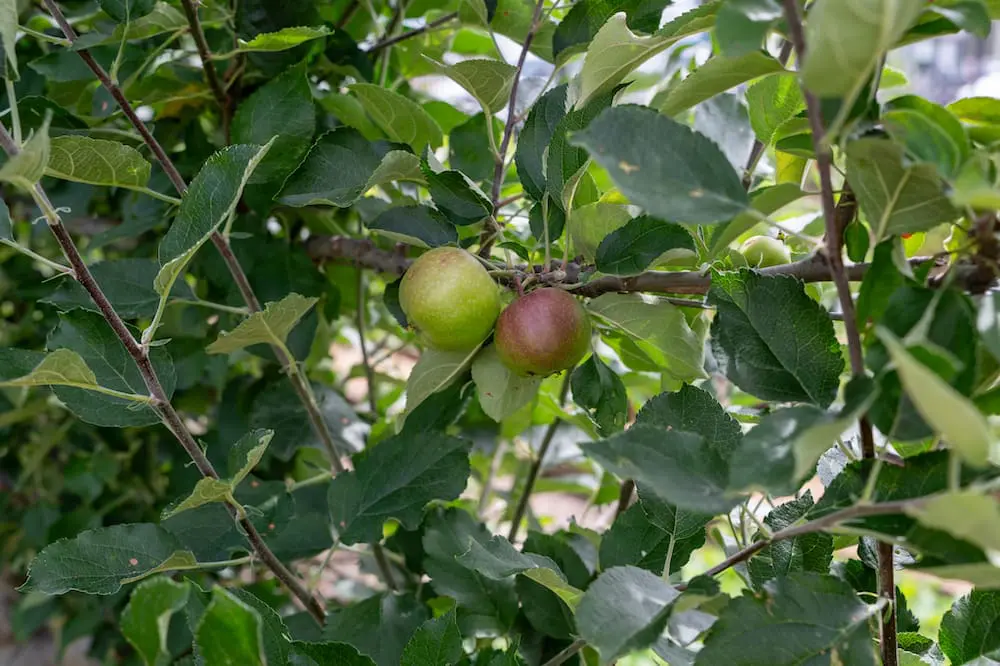
What does it mean to be an heirloom? An heirloom plant is open pollinated and will maintain the same characteristics as the parent plant such as fruit color, plant shape, and growth habit. Harvested vegetables are given to staff, volunteers, and donated back to the community at the local food pantry. Handcrafted structures and trellises create an exciting space to grow vegetables of every kind. The space highlights interesting techniques for growing specialty vegetable crops. The Apples lining the garden consist of the Arkansas Black variety and are being trained to the cedar beam structure using cable and soft ties to control the growth and shape of the tree. This training technique is normally seen against a wall and was made popular during 1800’s to show patterns and optimize fruit production, this form of training is called espalier.
Spring/Summer: Lettuce
Fall/Winter: Tomato
Español
Letra De Audio
El Lloyd & Juanita Fryer Vegetable Garden cuenta con hierbas, árboles frutales y verduras de la herencia para crear un sabroso jardín durante todo el año.
¿Qué significa ser una reliquia? Una planta de herencia es de polinización abierta y mantendrá las mismas características que la planta madre, como el color de la fruta, la forma de la planta y el hábito de crecimiento. Las verduras cosechadas se entregan al personal, a los voluntarios y se donan a la comunidad en la despensa de alimentos local. Las estructuras artesanales y los enrejados crean un espacio emocionante para cultivar verduras de todo tipo. El espacio destaca técnicas interesantes para el cultivo de hortalizas especiales. Las manzanas que recubren el jardín consisten en la variedad Arkansas Black y están siendo entrenadas para la estructura de vigas de cedro utilizando cables y lazos suaves para controlar el crecimiento y la forma del árbol. Esta técnica de entrenamiento normalmente se ve contra una pared y se hizo popular durante 1800 para mostrar patrones y optimizar la producción de fruta, esta forma de entrenamiento se llama espaldera.
Primavera/Verano: Lechuga
Otoño/Invierno: Tomate